EU grapples with high gas prices and import dependence, but still rejects Norway's Arctic drilling plans

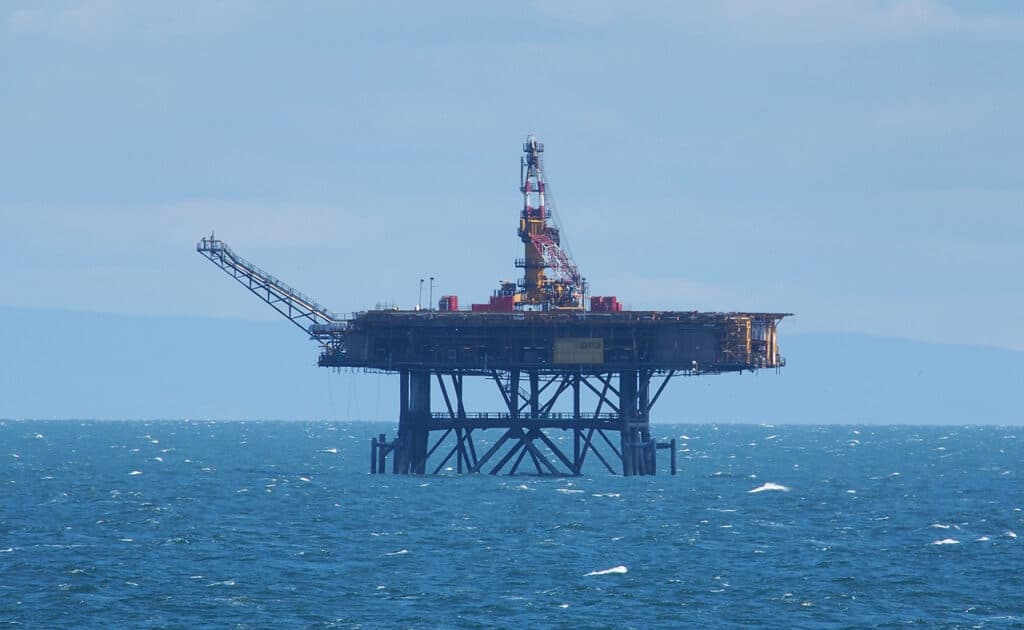
Despite ongoing tensions on global markets and high natural gas prices, the European Union plans to maintain its opposition to developing oil and gas production in the Arctic. A European Commission spokesperson confirmed that the EU continues to stand by the moratorium set out in its 2021 Arctic strategy. As part of its position, the EU not only opposes developing new production to protect sensitive polar ecosystems, but also future purchases of fossil fuels extracted this way.
The EU's position is in direct conflict with Norway's plans. Following the curtailment of Russian supplies, Norway has become a key supplier underpinning European energy security. It currently accounts for approximately 30% of the EU's total gas imports and intends to remain its largest supplier in the future.
Norwegian Energy Minister Terje Aasland told Reuters that without developing new fields in less-explored areas such as the Barents Sea, Norwegian oil and gas production will begin to decline after 2030. Norway is therefore urging the EU to lift the moratorium. The country argues that developing new deposits in Arctic areas by Equinor is in the interest of stabilising the European market amid an uncertain geopolitical environment.
The EU's import dependence and a clash of timelines
The issue of production in Arctic areas thus highlights a long-standing dilemma in European energy policy. The European Union remains highly dependent on fossil fuel imports, a vulnerability that is fully exposed by the current price volatility in the natural gas market. With a complete halt to Russian gas supplies planned and global LNG markets increasingly unstable, reliable pipeline supplies from Norway are crucial to stabilising the European gas market.
Investors and environmental organisations that support maintaining the moratorium nevertheless argue that opening new fields in Arctic areas will not resolve the energy crisis. Developing new production projects in such challenging conditions takes more than ten years, meaning that new production would reach the market only when, under the EU's climate targets, fossil fuel consumption is expected to fall significantly. The EU therefore continues to face a dilemma between ensuring energy security from local sources and meeting its environmental commitments.
Translation disclaimer
This article is a machine translation of the Czech original and has not yet been fully reviewed. In case of any doubt, please refer to the Czech version.