
25 September 2026, 09:51
Loading...
GasNet launches Czechia's largest gas meter testing station
oEnergetice.cz
16 July 2026, 10:56
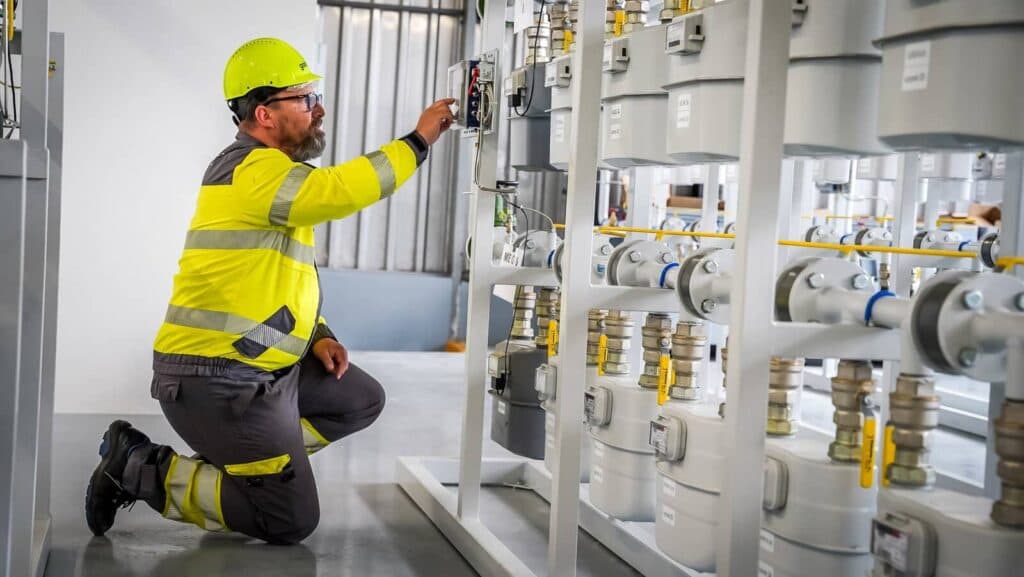
GasNet Group has commissioned Czechia’s largest load testing station for long-term gas meter testing in Pardubice. The station is used to verify the quality and reliability of meters from various suppliers before GasNet purchases and installs them in its distribution network. Working with key partners, the company focuses primarily on whether the tested gas meters retain their accuracy in measuring gas consumption over the long term. Stable, reliable measurement is absolutely essential for gas customers, traders and GasNet alike, as the largest gas distributor, GasNet is responsible for measuring consumption.
With an investment of 9 million crowns, the company has strengthened the self-sufficiency of the Czech gas industry in verifying gas meter reliability while also reducing its costs for this type of testing.
“When you distribute gas, you need to be certain that all gas meters always measure consumption accurately. At GasNet, we do everything possible to ensure that this remains the case in the long term,” explains Ivo Jirovský, GasNet’s Director of Strategic Asset Management, and continues:“We carefully verify the reliability of different gas meters in advance through so-called prequalification tests for tenders, before we purchase the meters and install them in the distribution network. Historically, we conducted similar tests abroad, but these were also becoming more expensive. We therefore decided to build our own load testing station. Here, we check the long-term reliability of gas meter measurement in cooperation with Spektrum Skuteč, an authorised metrology centre for the repair and verification of measuring instruments, and the Czech Metrology Institute.”
GasNet can now test gas meters more cost-effectively. In addition to delivering long-term savings, this also strengthens the self-sufficiency of the Czech gas industry in verifying the reliability of measuring instruments.
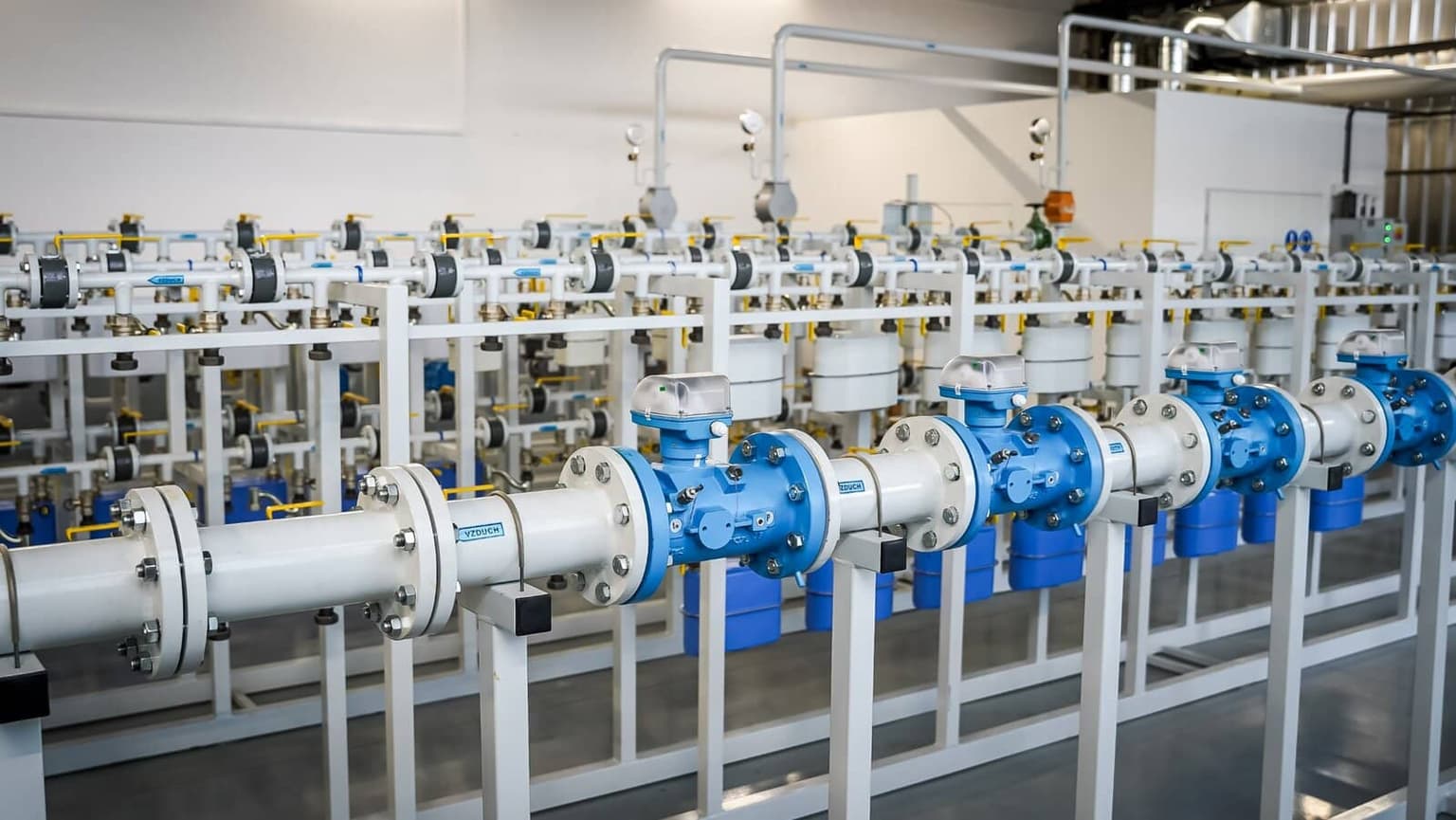
Source: GasNet
In practice, testing involves more than 100 different gas meters installed on special pipeline runs at the Pardubice station. These include residential and industrial diaphragm gas meters, as well as turbine and rotary gas meters. Air at atmospheric pressure flows through these meters during testing.
“We test gas meters at the limit of their maximum load, thereby simulating their long-term operation in the distribution system. The gas meters are installed here for a total of 5 thousand hours, and we check their metrological parameters in cooperation with the aforementioned AMS Spektrum Skuteč before the test begins and then after every thousand hours. Residential gas meters also undergo corrosion resistance and destructive testing. These allow us to assess the quality of gas meter workmanship more comprehensively from other perspectives,” specifies Vladimír Kolář, GasNet’s metering manager, who managed the load testing station implementation project.
GasNet has remote monitoring over the entire facility. This gives the company high-quality data to enable it to select gas meter suppliers on an informed basis and, at the same time, guarantee the long-term reliability of measurement for selected gas meters.
Source: GasNet
“However, the station’s added value is much broader. At any time, we can continuously check the quality of deliveries of gas meters already purchased and compare measured values with those from prequalification. We can also compare new types of meters with those already installed in our network, and we may also offer the capacity of the test runs to other companies and organisations. With this project, we want to go even further in innovation – through energy sharing, we want to use surplus electricity from our photovoltaic systems installed on other GasNet buildings to power the load testing station.” adds Vladimír Kolář.
Greater self-sufficiency for GasNet in testing gas meter reliability is also important given that the company is preparing for changes associated with the decarbonisation of the Czech energy sector, such as the transition of heating plants and large sources to gas. As a result, gas consumption could increase by 11 to 17 TWh by 2030. GasNet confirms that interest in gas is growing in the long term. Last year, the company distributed 63.3 TWh of energy, 7 % more year on year. It also connected 84 new supply points in the large and medium-sized customer segment, almost one-third more than in the previous year.
Translation disclaimer
This article is a machine translation of the Czech original and has not yet been fully reviewed. In case of any doubt, please refer to the Czech version.
Sdílejte článek prostřednictvím:
You might also like

24 September 2026, 11:23

24 September 2026, 10:30
24 September 2026, 06:56