11 November 2026, 13:45
Loading...
German gas pipelines can be used to transport hydrogen, technical body's study says

David Vobořil
4 April 2023, 06:35
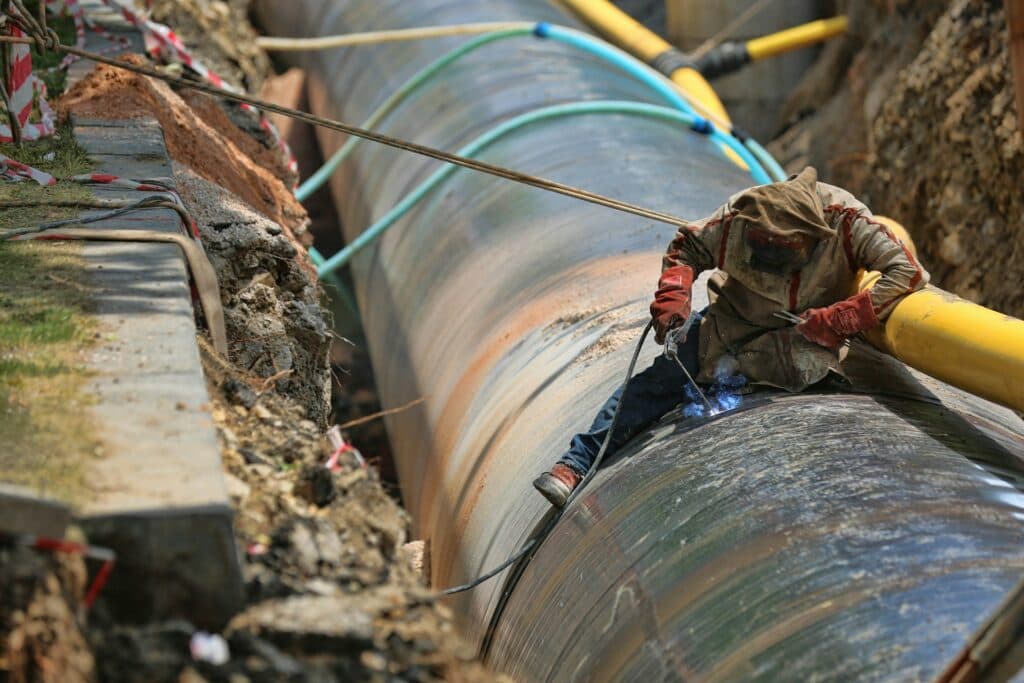
Steel pipes installed in Germany's gas network are suitable for transporting hydrogen, according to a study by the German Technical and Scientific Association for Gas and Water (DVGW), a recognized standards body for the gas and water industries. The study tested operational aging and the strength of steel under long-term operation.
"The research findings are a breakthrough for the future of hydrogen," said CEO Gerald Linke. He added that of the three challenges in the value chain—production, transport and use—"transport has now essentially been solved."
Pipelines in Germany's gas networks can also be used to transport hydrogen. Only individual sections of pipelines or station components will need to be upgraded or replaced. This makes economic sense, according to DVGW, because existing infrastructure can be used: more than 550 thousand kilometers of pipelines worth approximately 300 billion euros have been built over many decades.
According to DVGW, upgrading the network to transport hydrogen should cost a total of around 30 billion euros. To ensure that the transition to future hydrogen use is entirely safe and provides legal certainty, DVGW has revised its rules and regulations for using up to 100% hydrogen and is currently supplementing them with several additional standards.
Translation disclaimer
This article is a machine translation of the Czech original and has not yet been fully reviewed. In case of any doubt, please refer to the Czech version.
The article continues for subscribers
Premium content
The rest of this article is available to premium subscribers only. Get access to all premium articles on oEnergetice.cz.
You have read only 41% of the article — unlock the remaining 59% with a premium subscription.
Best value: annual subscription
Monthly option 4 € / month
3.25 €/ month
You might also like

11 November 2026, 13:19
11 November 2026, 12:52
11 November 2026, 10:55

11 November 2026, 10:43