German regulator continues urging consumers to save gas in winter

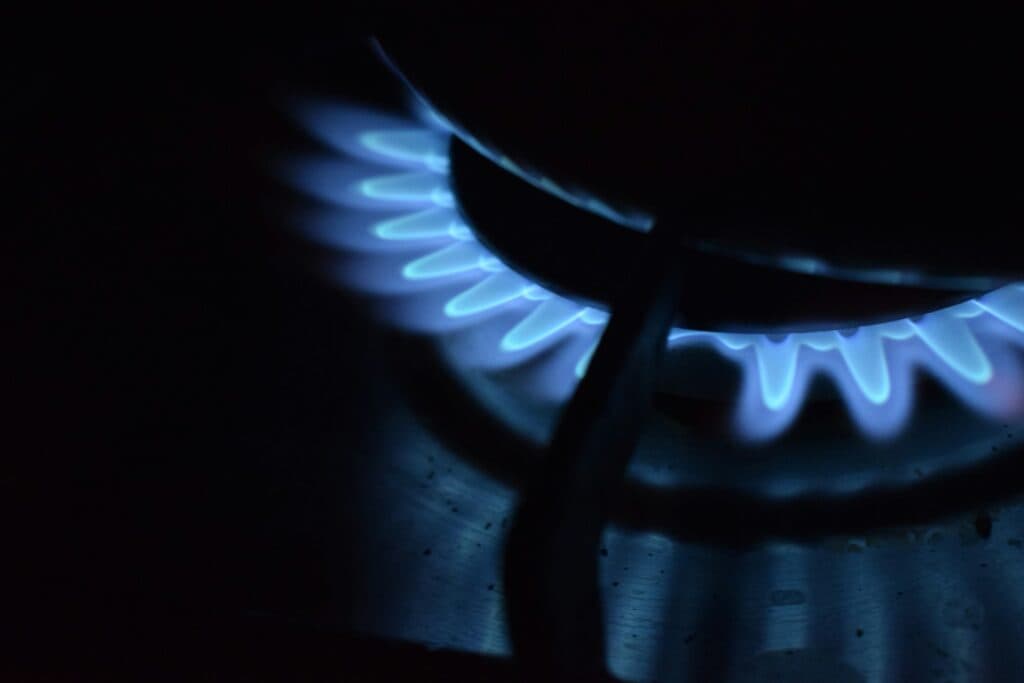
The start of the new year also brings the traditionally coldest period of winter, along with a higher need for heating. This is also reflected in higher demand for natural gas. Although Europe remains securely supplied from other sources and transport routes following the end of Russian gas transit through Ukraine, some risks remain, according to the German regulator. This is why it continues to urge consumers there to keep saving gas.
Gas supplies to Europe are once again in the spotlight following the interruption of the remaining Russian gas transit through Ukraine. The interruption of gas flows through Ukraine has so far had a physical impact only on Transnistria in the eastern part of Moldova; other European countries had already reported that their systems were prepared for this step and that they could ensure the security of gas supplies to consumers.
Underground gas storage facilities also play an important role in this area. In addition to ensuring security of supply, they help balance higher gas consumption during the winter. Storage levels vary considerably across Europe, but in Germany, reserves at the turn of the year were still around 80% of the capacity of the country's storage facilities, a relatively strong level.
"Although Germany has so far managed the first half of winter well and its gas storage facilities are well filled, residual risks remain," German regulator president Klaus Müller said on social media platform X, according to S&P Global. "In any case, it still pays to save gas and give your wallet some relief," he added.
Saving gas could also help keep storage levels higher at the end of winter. This will be key for demand for gas injections this summer. Wholesale gas price trends are not currently conducive to rapid storage filling this summer, with summer prices exceeding those for winter 2025/2026.
Storage levels at the end of winter will be key for prices this summer
The market is therefore not currently sending a sufficiently strong signal to fill storage, which would require winter contracts to be priced higher than summer ones. The German association of underground storage operators, INES, warned of this situation last autumn, according to the website. Germany has the largest storage capacity in the European Union.
In the wake of the energy crisis of recent years, the EU and its member states also introduced an obligation to fill storage facilities before winter. Specifically, EU storage facilities should be filled to 90% of capacity by 1 November. Germany has set itself an even stricter target of 95% by the same date. Any low storage levels at the end of winter could therefore boost demand during the summer, and with it wholesale gas prices.
In addition to periods of very cold weather, so-called Dunkelflaute—periods of low output from solar and wind power plants, when coal- and gas-fired power plants are called on more heavily—could also lead to greater withdrawals from storage for the rest of the winter.
Translation disclaimer
This article is a machine translation of the Czech original and has not yet been fully reviewed. In case of any doubt, please refer to the Czech version.




