
17 October 2026, 13:09
Loading...
Germany plans to extract natural gas in the North Sea in cooperation with the Netherlands

David Vobořil
3 July 2025, 10:27
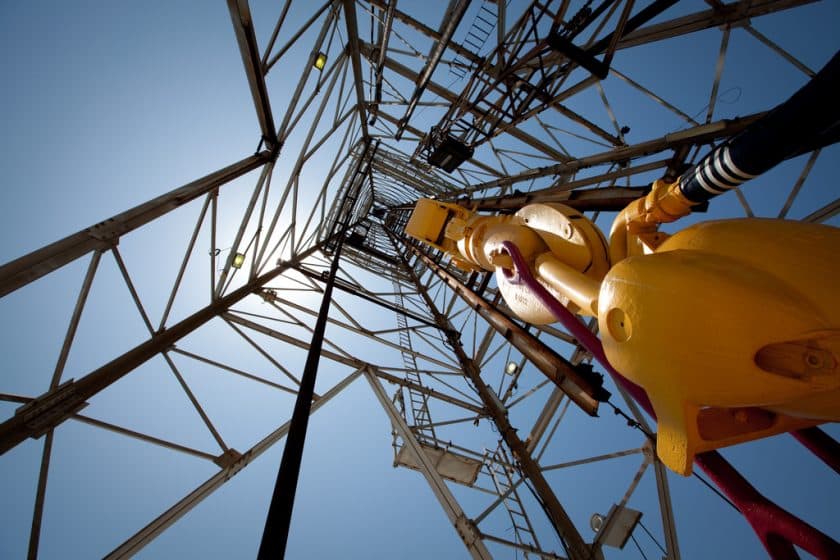
The German government has approved a project to extract natural gas in cooperation with the Netherlands in the North Sea. The agreement implements a proposal in the coalition agreement to tap the potential of domestic gas production, the Ministry for Economic Affairs said in a statement.
The German government approved on Wednesday the signing of an agreement between Germany and the Netherlands on the exploitation of cross-border hydrocarbon deposits in the North Sea, submitted by Germany’s Minister for Economic Affairs and Energy. The Dutch government has already approved the project, which has been criticised for its impact on the ecologically sensitive Wadden Sea area.
“We are supporting the Netherlands in extracting gas from a cross-border deposit. This strengthens not only our neighbour’s security of supply, but also the European gas market—and therefore our own. With this agreement, we are creating a reliable legal framework for this cooperation. The Netherlands has been a strong partner in energy supply for decades,” said CDU Minister for Economic Affairs Katherina Reiche.
The agreement would provide a secure legal basis for the project, which is being carried out by Dutch company One Dyas. It is necessary because the deposit lies in the waters of both Germany and the Netherlands. Before production can begin from such cross-border deposits, the relevant permits must be obtained under mining law from both the Netherlands and the affected German state of Lower Saxony, and an international agreement must also be concluded.
The agreement is primarily technical in nature and is neither a project approval nor a production permit. Among other things, it sets out procedures for identifying and dividing cross-border natural gas deposits, taxation and the collection of so-called mining royalties, which would be paid into the coffers of Lower Saxony for the German portion. It also governs cooperation between the mining authorities of Lower Saxony and the Netherlands. The production permit for the German portion of the deposit will have to be issued by the state of Lower Saxony.
According to the Ministry for Economic Affairs, One Dyas will extract gas from the deposit only for as long as there is demand for natural gas in Germany and the Netherlands, in order to meet climate neutrality ambitions. The company is expected to use electricity from a German offshore wind farm to minimise CO2 emissions from production operations.
The non-governmental organisation Environmental Action Germany (DUH) has criticised the agreement, saying it was adopted despite strong protests against the project near the island of Borkum. DUH said that risks such as an accident at the production site and the resulting greenhouse gas emissions had been ignored. The project also threatens reefs and endangered species, according to the NGO. The previous government did not approve the project because of legal uncertainties, the head of DUH argued.
Translation disclaimer
This article is a machine translation of the Czech original and has not yet been fully reviewed. In case of any doubt, please refer to the Czech version.
Sdílejte článek prostřednictvím:
You might also like




16 October 2026, 10:16