11 November 2026, 13:45
Loading...
Russia's plans to boost LNG exports are hampered by loss of access to Western technology. The country is now racing to develop its own

Eduard Majling
4 May 2023, 13:36
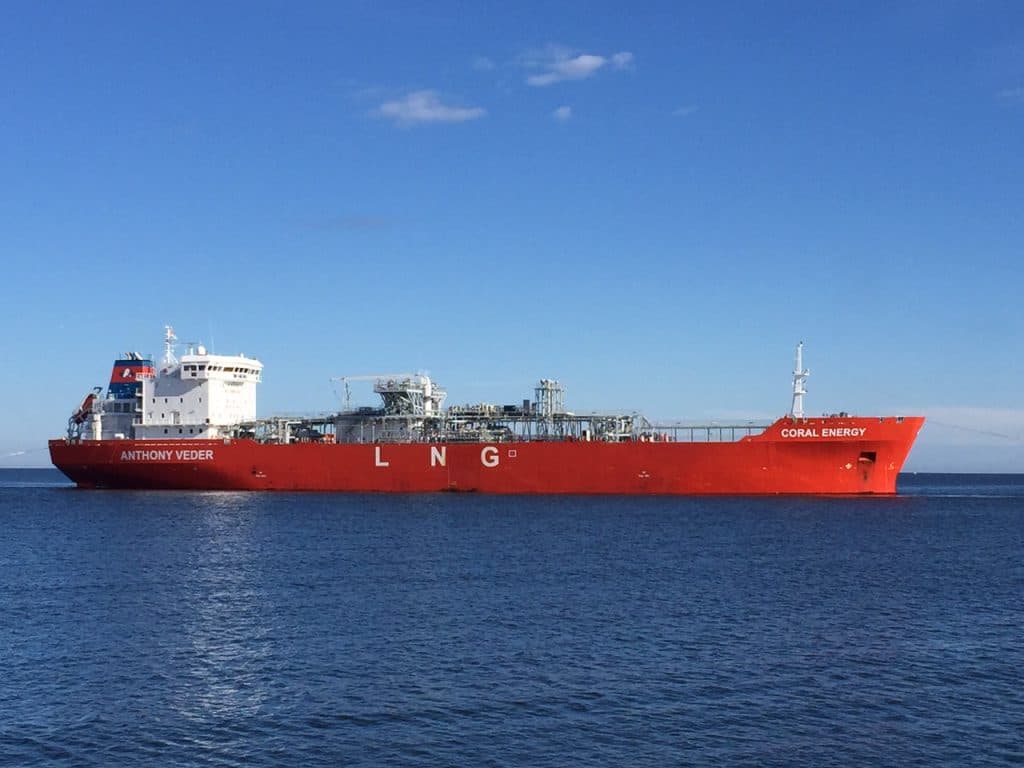
After significantly cutting natural gas exports to Europe via pipelines over the past two years, Russia is trying to redirect its exports to sea routes. Increasing capacity to export liquefied natural gas (LNG) would allow the country to boost its gas exports again, thereby increasing state budget revenues. However, building new liquefaction trains is complicated by the fact that, following its invasion of Ukraine, the country lost access to Western technologies that were previously crucial to Russia's energy sector, particularly in the construction of liquefaction facilities and LNG export terminals.
Russia has ambitious plans for natural gas exports, aiming to triple its LNG export capacity by the end of the current decade. Expanding the capacity of export terminals would allow the country to export more gas. Exporting gas in liquefied form is generally less efficient than transporting it through pipelines, but exporters are not dependent on specific buyers, just as countries importing LNG are not dependent on a single supplier.
Translation disclaimer
This article is a machine translation of the Czech original and has not yet been fully reviewed. In case of any doubt, please refer to the Czech version.
The article continues for subscribers
Premium content
The rest of this article is available to premium subscribers only. Get access to all premium articles on oEnergetice.cz.
You have read only 30% of the article — unlock the remaining 70% with a premium subscription.
Best value: annual subscription
Monthly option 4 € / month
3.25 €/ month
You might also like

11 November 2026, 13:19

11 November 2026, 12:52
11 November 2026, 10:55

11 November 2026, 10:43