2 October 2026, 21:55
Loading...
A new mega-repository for radioactive waste to be built in Sweden

Marek Kršák
11 July 2026, 13:06
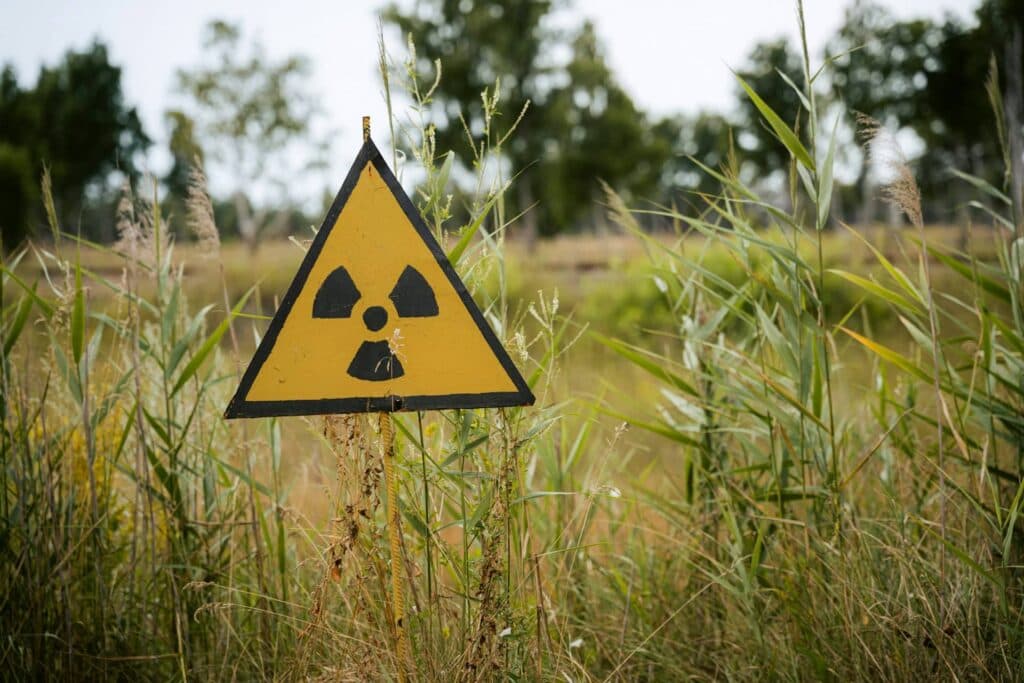
In Sweden, a new repository is set to be built for low- and intermediate-level radioactive waste. This is evidenced by a contract recently concluded by construction company Skanska with Swedish company Svensk Kärnbränslehantering AB (SKB). The contract is worth approximately 1 billion SEK, or around 100 million USD.
The cooperation agreement between SKB and Skanska dates back to mid-2023, when the Swedish radioactive waste management company sought bids for the expansion of the SFR repository at Forsmark. The original agreement for the project phase has now been supplemented by a construction contract, which will be divided into several stages, with separate contracts signed for each stage in turn. The latest contract covers mining, construction, earthworks, water and sewerage works, and tunnel reinforcement.
Construction of the new rock caverns is due to begin in the third quarter of 2026, with the work expected to take approximately two years. The facility is expected to be ready for trial operation in 2030–2031.
Rock construction work began in December 2024. Blasting began in January 2025 at a depth of 45 meters underground, marking the start of the expansion of the existing SFR repository.
The underground SFR repository
The SFR repository is located 60 meters below the Baltic Sea seabed and was commissioned as early as 1988. The facility consists of four rock chambers, each 160 meters long, and one chamber in the bedrock containing a 50-meter-high concrete silo for the most radioactive waste. Two parallel access tunnels, each one kilometer long, connect the facility to the surface. The facility currently has a total capacity for the final disposal of approximately 63,000 cubic meters of waste.
The existing infrastructure is to be expanded with six new rock chambers, each just under 300 meters long. The expansion is to be built at a depth of 120–140 meters, at the level of the lowest part of the existing SFR repository. The repository’s total expected capacity will thus almost triple to 180,000 cubic meters.
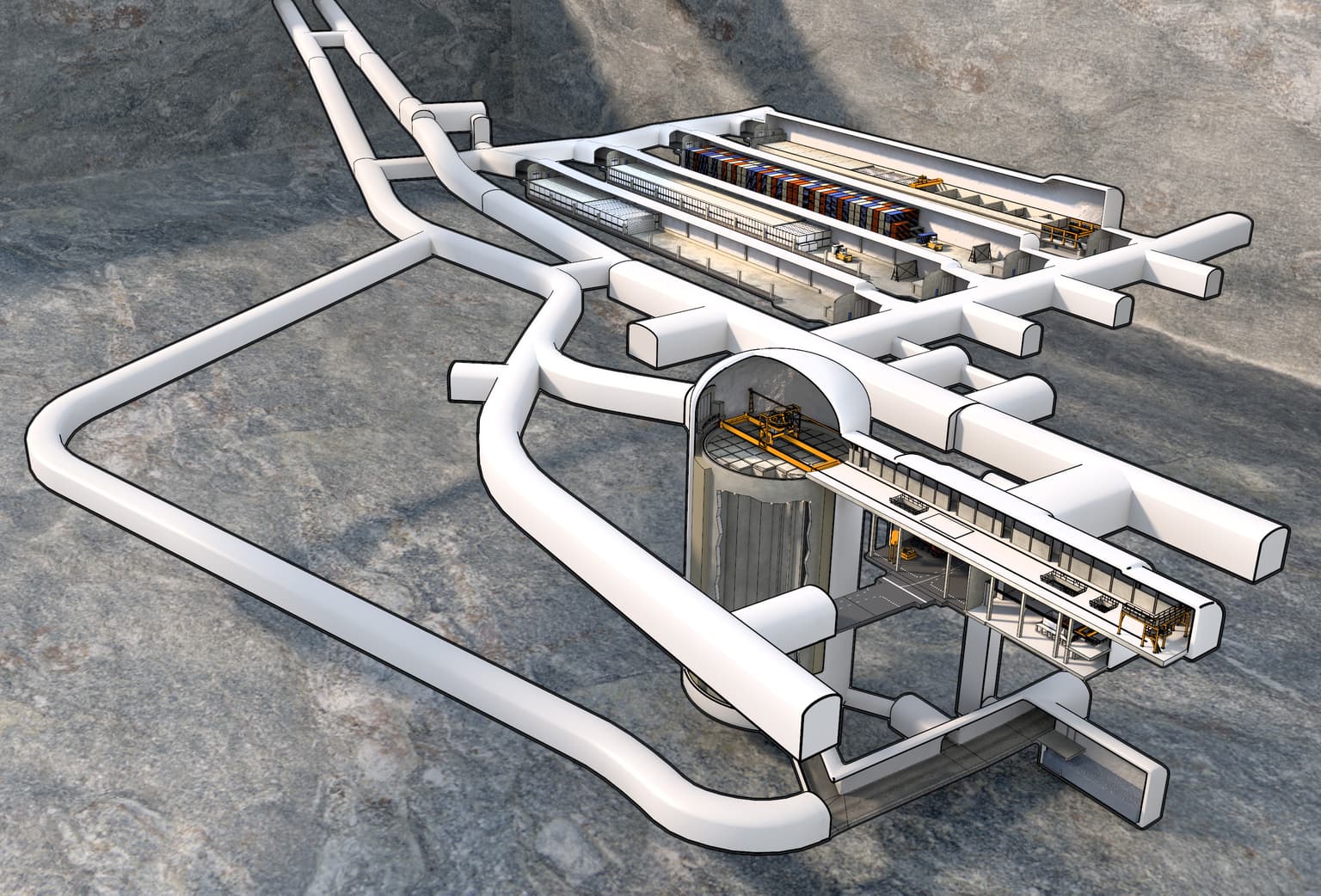
Source: skb.com, SFR radioactive waste repository
Contents of the repository
The most common type of waste in the repository is short-lived radioactive waste from Swedish nuclear power plants. It also contains radioactive waste from hospitals, veterinary medicine, research, and industry.
As many Swedish nuclear reactors have already been shut down and are awaiting dismantling and demolition, radioactive waste from the decommissioning of these plants needs a final resting place.
This is why the main aim of expanding the SFR repository is to create space for operational waste and low- and intermediate-level radioactive waste from the decommissioning of Swedish nuclear power plants. This includes, for example, reactor components, metal, concrete, and other construction materials.
Translation disclaimer
This article is a machine translation of the Czech original and has not yet been fully reviewed. In case of any doubt, please refer to the Czech version.
Sdílejte článek prostřednictvím:
You might also like

2 October 2026, 15:14
2 October 2026, 10:06
2 October 2026, 06:14