Belgian nuclear renaissance: New government plans construction of new units

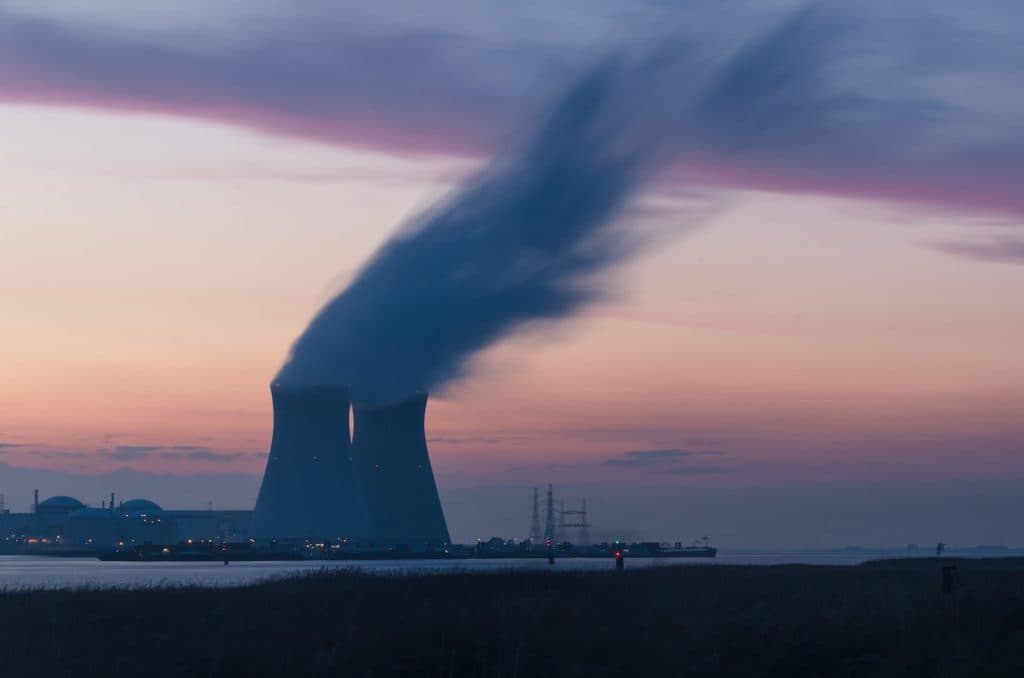
Belgium has a new government after almost eight months, led by Bart de Wever. In energy policy, Belgium has shifted its approach to nuclear power significantly in recent years. While the original plans envisaged gradually shutting down nuclear reactors, the incoming government is considering not only extending their lifetimes but also building new facilities, Reuters reported.
"On energy, the agreement provides for the development of a long-term strategy to ensure an affordable, secure and carbon-neutral energy mix consisting of renewable sources, nuclear power and other forms of carbon-neutral energy, guaranteeing security of supply, affordability for citizens and businesses, and sustainability,"said one of the coalition parties, Les Engagés.
Looking back, in 2023 Belgium agreed with French company Engie to extend the lifetimes of two nuclear reactors by ten years: Doel 4, with an installed capacity of 1090 MW, and the similarly sized Tihange 3. These reactors, commissioned in 1985, account for approximately 35% of Belgium's nuclear capacity. The Doel nuclear power plant has two other reactors in operation, while the Tihange nuclear power plant has one more.
Doel 4 and Tihange 3 were due to be shut down in 2025, but following the agreement and the necessary work, they will remain in operation until 2036. Then-Prime Minister Alexander De Croo said that extending the operation of these reactors was key to ensuring the country's energy security. The situation is changing again, and the incoming government would like to extend their lifetimes by at least a further 10 years beyond the agreement already reached.
In addition to retaining existing capacity, the government plans to double the country's installed nuclear capacity from the current 4 GW to 8 GW by building new reactors. However, this ambitious plan would require investments amounting to billions of euros and would take several decades to complete.
"That's 4 gigawatts plus 4 gigawatts,"said new Energy Minister Mathieu Bihet. He did not specify the locations or timelines for building the new reactors. Bihet also stressed that small modular reactors (SMRs) alone would not be able to provide the capacity needed, so larger reactors would also have to be considered.
Belgian Nuclear Forum welcomes the plans
The Belgian Nuclear Forum welcomed the agreement announced by the coalition partners, saying it "puts the revival of nuclear power at the heart of its priorities." The organization stressed that the law on the gradual phase-out of nuclear power must be amended or repealed without delay so it does not hinder the expansion of existing capacity or the construction of new reactors.
The forum also called for the creation of a working group bringing together all stakeholders to ensure the process runs smoothly. It warned that if Engie refuses to extend the operation of existing units again, the government should switch to an alternative plan as soon as possible and seek a new operator. Finally, the forum stressed the need for a long-term vision that includes developing new nuclear capacity and simplifying administrative procedures for its deployment.
Translation disclaimer
This article is a machine translation of the Czech original and has not yet been fully reviewed. In case of any doubt, please refer to the Czech version.




