2 October 2026, 21:55
Loading...
Belgium and the Netherlands deepen cooperation in nuclear energy

Jiří Salavec
19 May 2026, 06:36
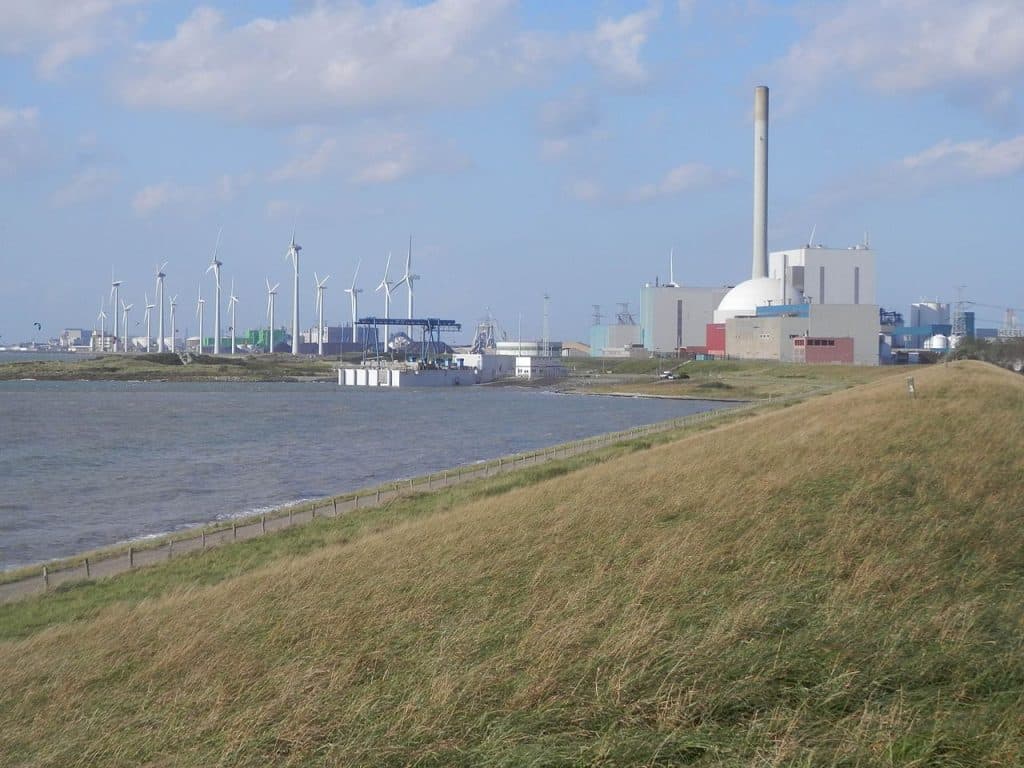
Belgium and the Netherlands have agreed to deepen their cooperation in nuclear energy. The main aim is to exchange experience regularly and strengthen the supply chain. Belgium currently operates two nuclear reactors, while the Netherlands has a single nuclear unit in operation. The governments of both countries have rethought their anti-nuclear policies and decided to further develop clean energy production from nuclear power.
The Dutch Ministry of Economic Affairs and Climate Policy announced that it had signed a memorandum of understanding on cooperation in nuclear power generation together with representatives of neighbouring Belgium. The two countries expect the cooperation to bring, above all, better information-sharing on nuclear energy at regular meetings. Belgium will contribute its expertise from operating nuclear facilities, while the Netherlands will share its experience in preparing new nuclear projects, including small modular reactors.
“Future European nuclear projects require strong value chains, high-level expertise and close cooperation between countries, research centres and industry. Belgium and the Netherlands have recognised expertise and want to join forces today to help develop a more robust, innovative and independent European nuclear ecosystem,”said Mathieu Bihet, Belgian Federal Minister for Energy.
The countries also want to deepen cooperation between suppliers of components for nuclear facilities on both sides of the border. They agreed to organise “innovation missions” to connect companies from Belgium and the Netherlands. The countries estimate that up to 10,000 employees will be needed to further develop nuclear energy in the region, so the cooperation will also cover training programmes.
The Netherlands currently operates its only nuclear reactor at the Borssele power plant, with an installed capacity of 515 MW. Over the past 4 years, Belgium has shut down a total of 5 nuclear reactors. This leaves it with two operating units at the Doel and Tihange nuclear power plants, with a combined installed capacity of 2,085 MW.
Return to nuclear energy
Last year, the Belgian government repealed the law phasing out nuclear power plants and banning the construction of new nuclear facilities. Belgium also agreed to extend the operation of its two remaining units by 10 years (until 2035). In April this year, the government began talks on the possibility of taking ownership of all 7 nuclear reactors and suspended all decommissioning work on units that had already been shut down. Rather than phasing out nuclear power, the country plans to develop it further.
“The Netherlands is currently at a pivotal point and plans to achieve greater energy independence by increasing the share of nuclear energy in its energy mix. In a sector that is currently brimming with development and benefits from a high concentration of expertise, cooperation with neighbouring countries is essential. Together with Belgium, we can give our shared ambitions the boost they need,” said Jo-Annes de Bat, Dutch State Secretary for Climate and Green Growth.
The Netherlands began taking steps towards further nuclear development in 2021 and plans to build two new conventional reactors with a capacity of 1000 - 1650 MW by 2035. The country is also exploring options for building small modular reactors.
Translation disclaimer
This article is a machine translation of the Czech original and has not yet been fully reviewed. In case of any doubt, please refer to the Czech version.
Sdílejte článek prostřednictvím:
You might also like
2 October 2026, 15:14
2 October 2026, 10:06
2 October 2026, 06:14