3 October 2026, 13:01
Loading...
Chernobyl changed public attitudes toward nuclear power; trust is still recovering, scientist says

oEnergetice.cz, ČTK
25 April 2026, 06:43
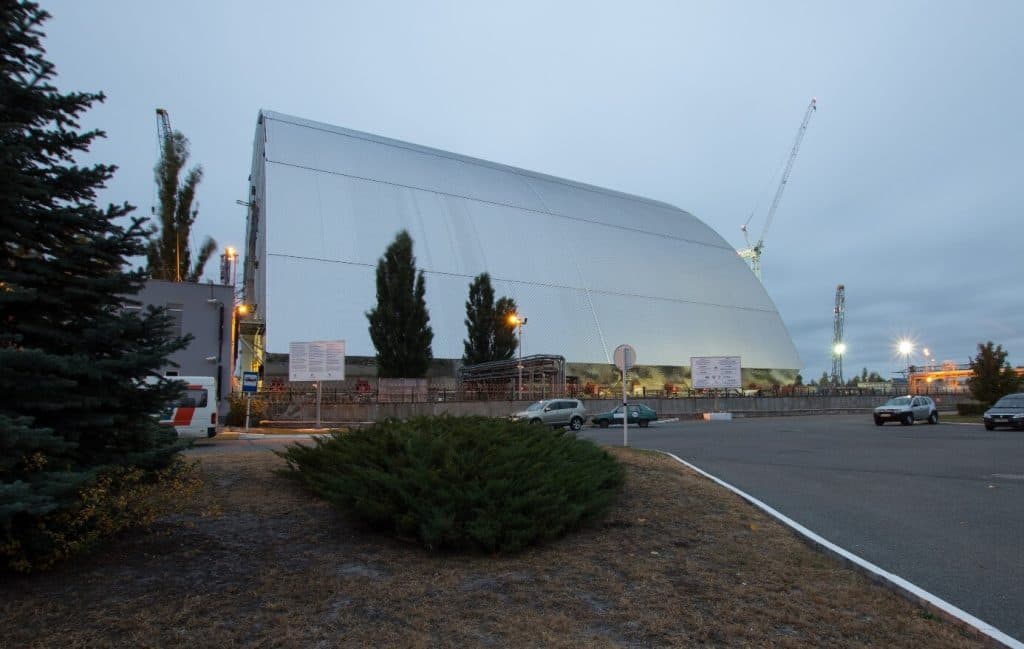
The Chernobyl accident in April 1986 had a major impact on public attitudes toward nuclear power. However, attitudes had already begun to shift in a negative direction before then, Vladimír Wagner of the Institute of Nuclear Physics of the Czech Academy of Sciences told the Czech News Agency (ČTK). Public trust in nuclear power is still recovering, the scientist said.
According to Wagner, activists began speaking out against nuclear power in the 1970s, but at the time their protests were aimed mainly at nuclear weapons testing. In the 1950s and 1960s, the world held nuclear energy in great admiration, and society hoped it would meet a large share of humanity’s energy needs. It soon became clear, however, that developing it would be more technologically and economically challenging than originally expected. The oil crisis came in the early 1970s, prompting countries with advanced technologies but small oil reserves, such as France, to develop nuclear power intensively.
Wagner recalled the accident at a new reactor at the US Three Mile Island power plant in March 1979. The radioactive release and its health effects on employees and local residents were negligible, but the event still had a major impact on Western society and caused the planning and construction of new nuclear units in developed countries to slow down.
According to Wagner, the Chernobyl accident completed the shift in public attitudes toward nuclear power. It caused a massive release of radioactivity that affected 200,000 square kilometers of European territory and claimed around 170,000 victims. Public distrust was deepened by the Soviet Union’s concealment of the accident’s true consequences; Ukraine was part of the Soviet Union in 1986.
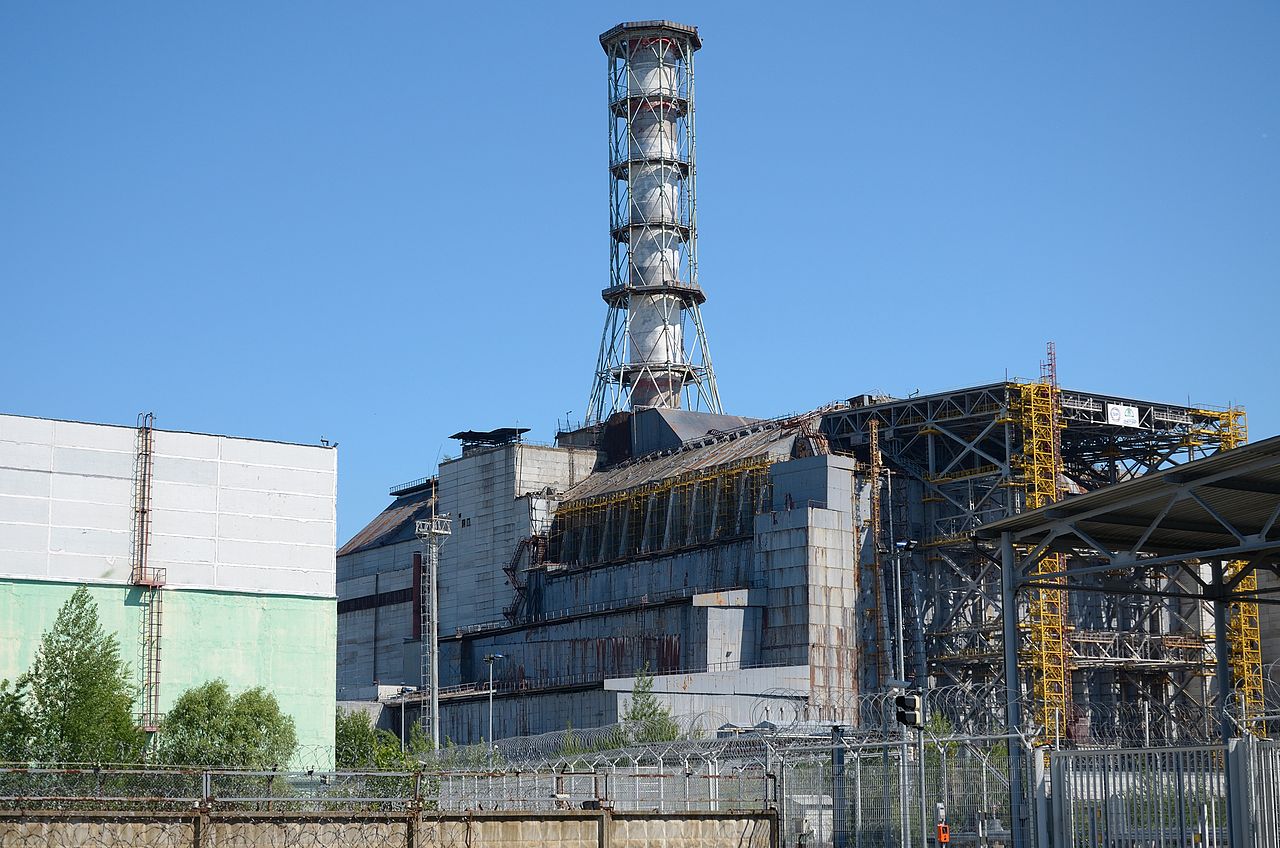
Chernobyl Nuclear Power Plant in 2011. Source: Wikimedia Commons / Bkv7601 / CC BY-SA 3.0
According to Wagner, the development of the energy sector largely stalled after the Chernobyl accident. Only France completed its transition to an electricity system in which nuclear power played a dominant role, followed by Sweden and Switzerland, which combined nuclear power with hydropower. Other countries abandoned their original plans for significant nuclear expansion.
In the Czech Republic, 59 percent of respondents are concerned about the use of nuclear energy, according to a survey conducted last year by the Institute of Sociology of the Czech Academy of Sciences. Around four-fifths of the population supported the construction of a new unit at the Dukovany nuclear power plant.
Although the Chernobyl accident led to a major increase in nuclear technology safety requirements, restoring public trust in it remains a challenging task in European countries, according to Wagner, and will take a great deal more time.
Translation disclaimer
This article is a machine translation of the Czech original and has not yet been fully reviewed. In case of any doubt, please refer to the Czech version.
Sdílejte článek prostřednictvím:
You might also like
3 October 2026, 07:43
2 October 2026, 21:55

2 October 2026, 15:14