Does support for new Dukovany comply with electricity market reform? Commission selects CfD rejected by government

The European Commission plans to support so-called contracts for difference in its proposal for a new electricity market. If a Member State decides to support new renewable or nuclear sources, that support should take the form of a so-called contract for difference, according to the electricity market reform proposal published by the European Commission today. However, the government has approved a different form of support for new sources in the Czech Republic – a so-called purchase agreement. The government rejected a contract for difference (CfD).
Preparations for rules governing the new electricity market have been completed at the European Commission. The core idea of the proposal is a modest shift away from a liberalised electricity market towards a more regulated market. This more regulated market should primarily ensure that the price shocks seen over the past 2 years are not repeated.
Today, the European Commission published its first proposals for legislation setting out the fundamental rules of the electricity market. Some parts of the unfinished document were leaked to the media last week; however, the officially published proposal differs substantially from the non-public version.
Long-term revenue hedging for electricity producers
One of the problems facing the current electricity market is the lack of long-term price signals. Electricity is traded on wholesale markets with a time horizon of no more than the next three years. However, a period of just a few years is insufficient, as investment payback periods in the energy sector generally run to several decades.
The European Commission therefore proposes greater support for the development of long-term so-called PPA agreements (power purchase agreements). State support for new low-carbon sources should be awarded through two-way contracts for difference (two-way contract for difference).
Will market reform help or harm nuclear completion in the Czech Republic?
As stated in last week's unfinished version, support may also apply to new nuclear sources. This is very positive news for the Czech Republic, which is relying on the construction of nuclear capacity. This is particularly so in light of developments in recent years, when granting any advantages to nuclear power was the subject of political disputes.
However, the proposed new electricity market could also have a potentially negative impact. The legislative proposal envisages that direct support for new sources will have to take the form of a two-way contract for difference. In the Czech Republic, however, the Act on Measures for the Transition of the Czech Republic to Low-Carbon Energy provides for support through a so-called purchase agreement. Support in the form of a contract for difference was rejected as less advantageous (see, for example, point 190 of the notification concerning state aid notification).
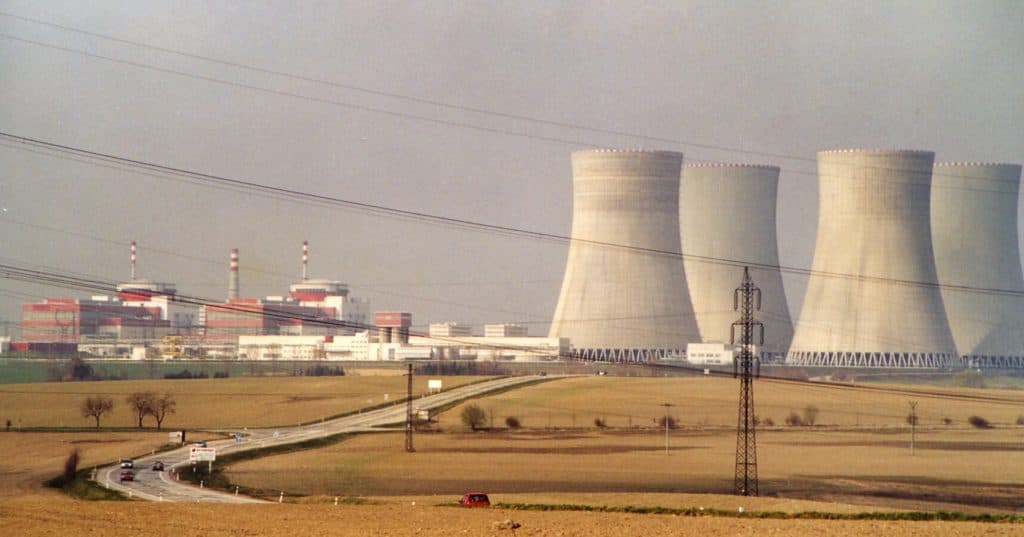
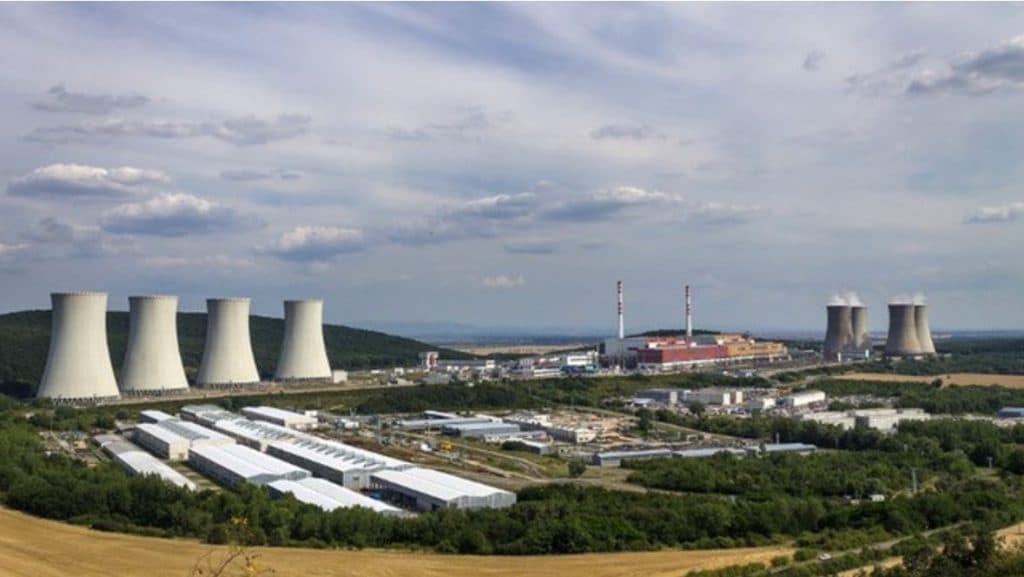
It is therefore not yet entirely clear whether the form of support planned for the completion of Dukovany will meet the requirements of the market, and above all of the new electricity market. The two forms of support – both the purchase agreement and the contract for difference – are relatively similar. If the support were to comply with the European Commission's vision, its notification would probably be simpler.
The legislative proposals published today are not yet final. They must still be approved by the European Parliament and the European Council. Since these are crucial energy rules, they can be expected to be finalised and some parts amended before their adoption.
Support may apply not only to new sources, but also to existing ones in order to extend their operating life
During the public consultations, consideration was given to whether support could also apply to existing electricity sources. Although this option was not included in last week's proposal, it is contained in the version published today.
Under the conditions set out in the regulation, investment in a new source includes, among other things, replacing an original source with a new one (so-called repowering), expanding an electricity generating facility, or extending the operating life of an existing power plant.
The proposed new electricity market thus opens up the possibility for existing power plants to also be supported through contracts for difference. Nuclear power plants may also be supported in this case.
Translation disclaimer
This article is a machine translation of the Czech original and has not yet been fully reviewed. In case of any doubt, please refer to the Czech version.