EDF wants to make maximum use of existing British nuclear power plants

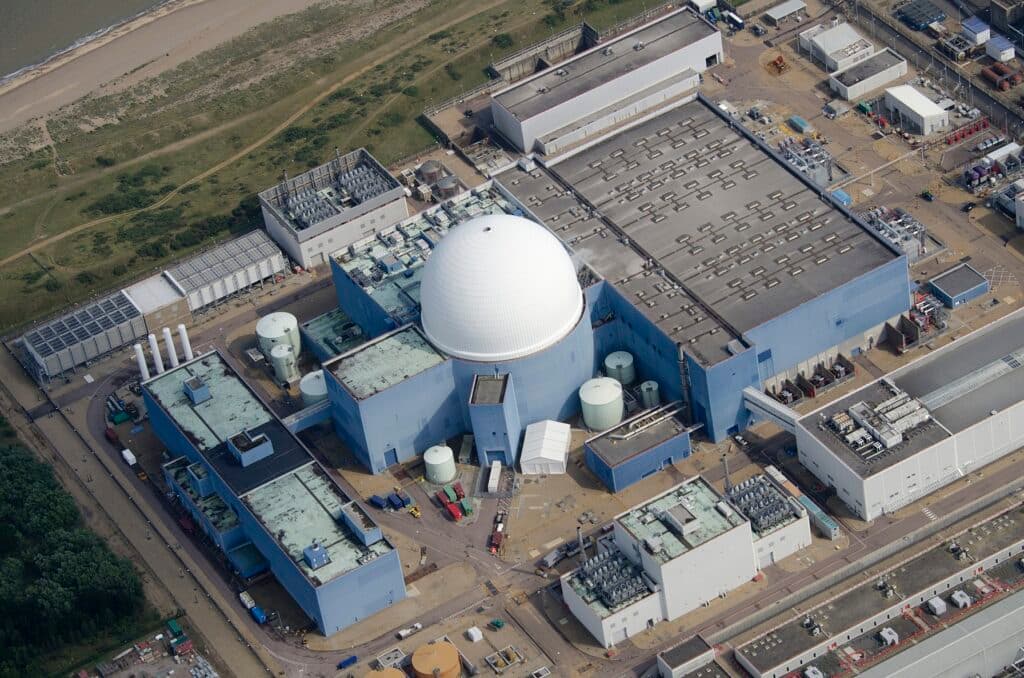
EDF Energy said that output from its British nuclear power plants was “very good” in 2025, covering approximately 12% of total electricity consumption in the United Kingdom. The company plans to operate the last two Advanced Gas-cooled Reactor (AGR) units until at least 2030 and is seeking a 20-year licence extension for the Sizewell B pressurised water reactor (PWR).
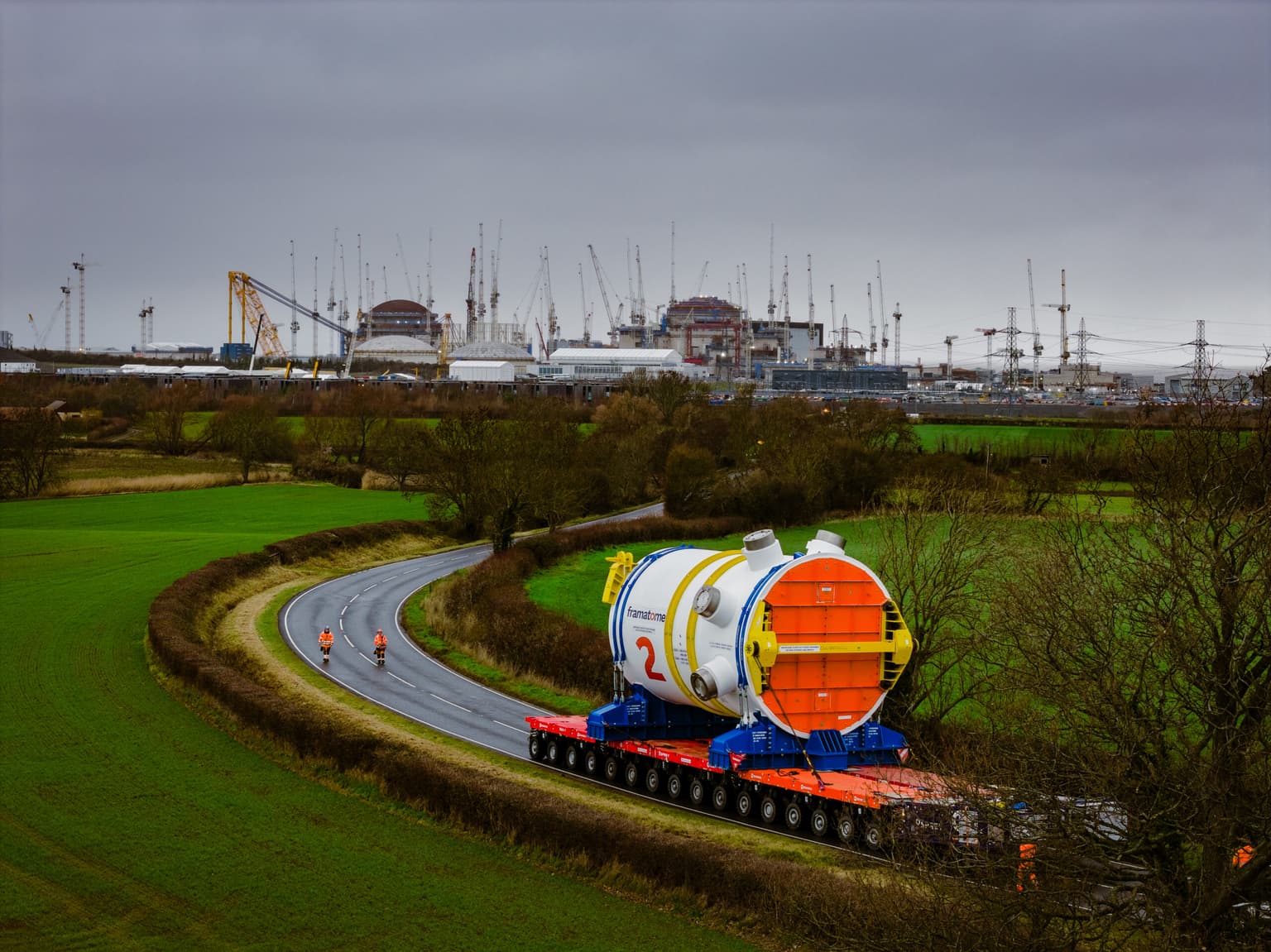
EDF Energy manages eight nuclear sites in the United Kingdom. Five plants are operational and three have already entered the decommissioning phase. EDF took over the sites following its acquisition of British Energy in 2009. In parallel, construction continues on the new Hinkley Point C power plant in Somerset, while preparations are advancing for the Sizewell C project in Suffolk, designed as a “replica” of Hinkley Point C.
Operating plants (5):
- Sizewell B (PWR)
- Torness (AGR)
- Heysham 1 (AGR)
- Heysham 2 (AGR)
- Hartlepool (AGR)
Plants being decommissioned (3):
- Hunterston B (AGR)
- Hinkley Point B (AGR)
- Dungeness B (AGR)
Generation in 2025 and plans for 2026–2027
In the latest edition of its UK Nuclear Fleet Stakeholder Update report, EDF Energy said its five operating plants generated a total of 32,9 TWh of electricity in 2025, approximately 12% less than in 2024. The main reason was said to be the extended outage at Hartlepool.
The company plans to generate approximately 36 TWh in 2026 and around 37 TWh in 2027.
Extending AGR operations “at least until 2030”
EDF points out that, when it acquired the fleet in 2009, generation expectations were considerably lower. The youngest AGR units (Torness and Heysham 2) were originally due to stop operating as early as 2023, but investment and operational management have enabled four AGR plants to remain in operation.
The company says that investment in its British nuclear fleet to date has reached 8,6 billion GBP (approximately 240,4 billion CZK). In 2026–2028, EDF plans to invest a further more than 1,2 billion GBP in its operating plants (approximately 33,54 billion CZK).
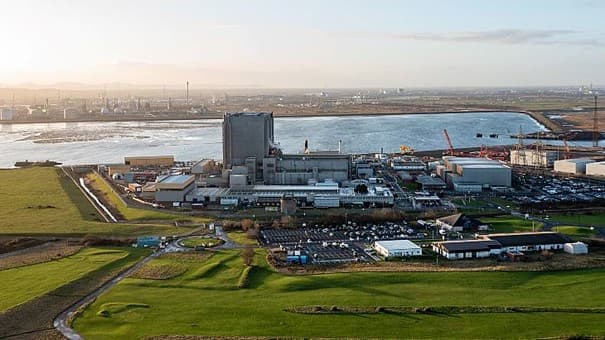
EDF has also quantified the cumulative benefit of extending operations. The AGR units have collectively achieved “38 years of life extension” and, as a result, supplied an additional 263 TWh of low-carbon electricity. For comparison, the company says this is more than the lifetime output of Heysham 1 (254 TWh), illustrating the value of extending plant life where possible.
In September 2025, EDF extended the estimated operating life of two AGR units by a further year. The Hartlepool and Heysham 1 reactors are now due to operate until March 2028. The company has also stated its ambition to operate the four AGR units still running until at least 2030, subject to inspection findings, reliability and regulatory support. At the same time, it acknowledges that, given their late stage in the operating life cycle, any further extensions are likely to be short-term and will be assessed on an ongoing basis.
Sizewell B: exceptional 2025 performance and preparations to extend its licence to 2055
According to EDF, the Sizewell B pressurised water reactor achieved “exceptional” results in 2025, recording a load factor of 99% and generating 10,4 TWh of electricity.
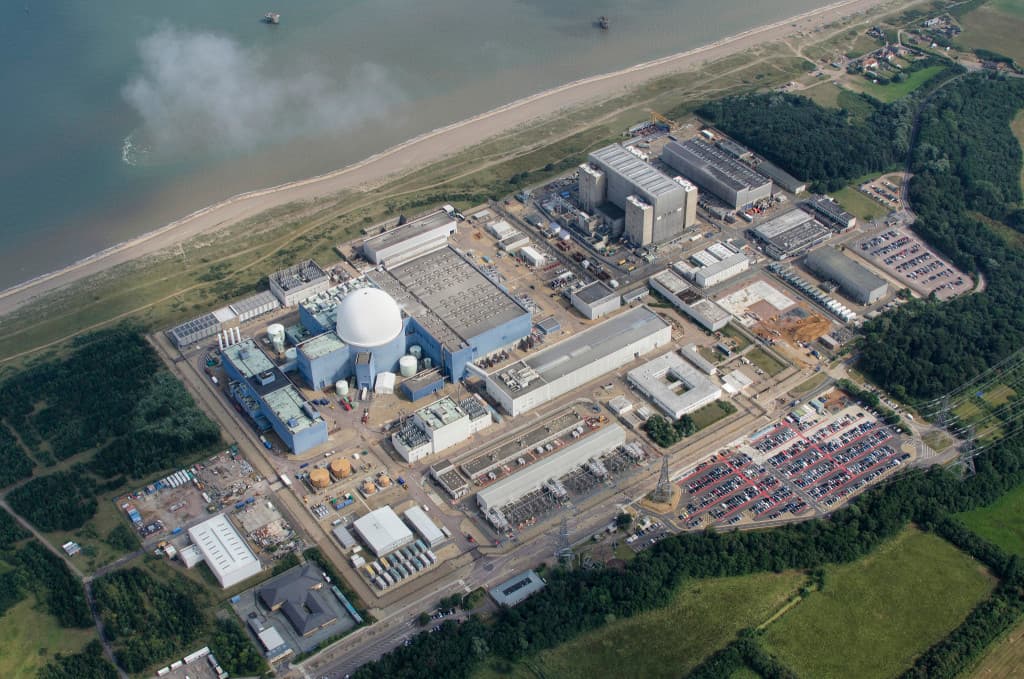
EDF says that continued operation of the plant beyond 2035 is technically feasible until at least 2055. Comparable plants around the world have also achieved similar operating life extensions. However, it stresses that the volatility of energy markets in recent years has reinforced the need to establish a “suitable commercial model” for the long-term operation of Sizewell B.
Further development of the Cottam, Hartlepool, Heysham and Torness sites
EDF also says it is working with the government and private companies on the future of its sites.
It notes that plans for new nuclear projects at Cottam and Hartlepool are beginning to take shape. The company also identifies Heysham in Lancashire and Torness in Scotland as sites with “a range of advantages for new projects”.
Decommissioning and spent fuel removal at Hunterston B and Hinkley Point B
Three AGR units (Hunterston B, Hinkley Point B and Dungeness B) are already being decommissioned. EDF reports that Hunterston B completed the project to remove all its spent fuel (defueling) on schedule and within budget in April, becoming the first AGR plant to be declared free of all spent fuel. In November, Hinkley Point B also completed the removal of all spent fuel from its reactors.
Once fuel removal is complete, each site is to be transferred to the UK Nuclear Decommissioning Authority (NDA), specifically to its subsidiary Nuclear Restoration Services, which will oversee the next stages of decommissioning. Hunterston B is due to be transferred first, in April 2026, followed by Hinkley Point B in October 2026.
Translation disclaimer
This article is a machine translation of the Czech original and has not yet been fully reviewed. In case of any doubt, please refer to the Czech version.