European Commission approves state aid for Poland's first nuclear power plant, Tusk says

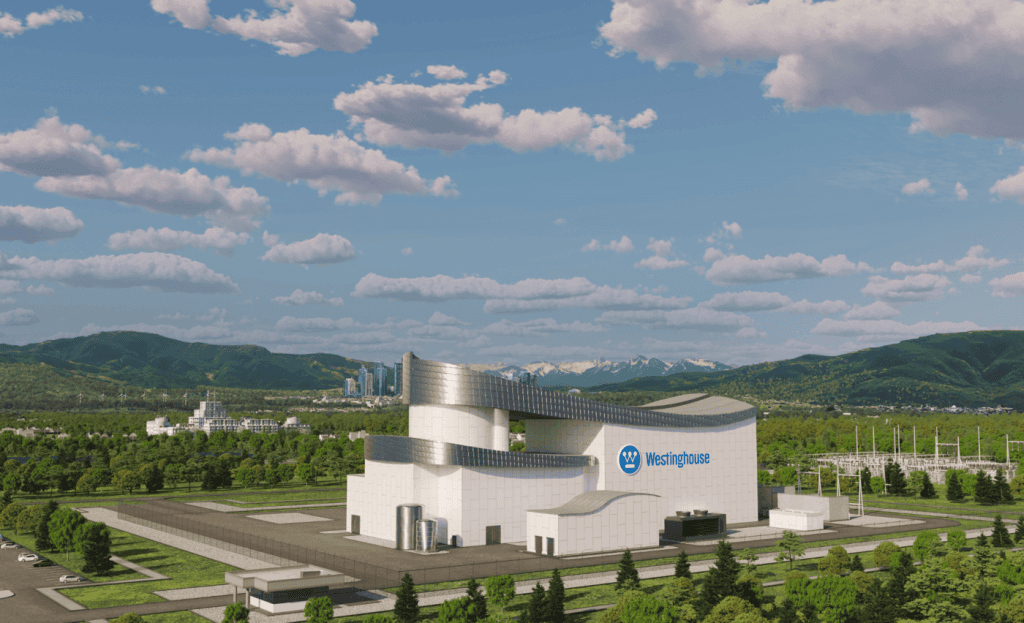
The European Commission has approved state aid for the construction of Poland's first nuclear power plant, Polish Prime Minister Donald Tusk said today. The European Commission confirmed that it had approved the state aid. The nuclear power plant project, which is expected to start operating in the second half of the next decade, plays a central role in Poland's strategy to phase out coal in electricity generation, the Commission noted.
"We've got it. Billions in public aid for the construction of Poland's first nuclear power plant. Europe has given its approval, and the money is there. The first four billion this month," Tusk wrote on social media.
According to TVN 24, the prime minister said the power plant project could get under way this month, with the government having secured 60 billion zlotys (about 344 billion crowns). By the end of the year, 4.6 billion zlotys in government bonds will be transferred for this purpose.
The power plant, comprising three nuclear units, each with a capacity of 1250 MW, is to be built and operated by state-owned company Polskie Elektrownie Jądrowe (PEJ) in cooperation with US company Westinghouse. It will be located in the municipality of Lubiatowo-Kopalino on Poland's northern Baltic coast. The total cost is estimated at 178 billion zlotys.
Poland aims to begin construction of the plant's first unit in 2028 and complete it in 2036, Reuters reported.
Poland is betting on nuclear energy, while Germany has abandoned it, the DPA news agency noted. It recalled that the Polish government intends to subsidise the state-owned nuclear plant operator with about 30 percent of construction costs and guarantee the debt incurred to finance the project. Under the plan, the state will also contribute if the market price of electricity falls below the guaranteed level. If the market price exceeds the guaranteed price, the state will receive the difference.
The European Commission approved the project after Warsaw agreed to a number of significant changes to the funding mechanism. These include shortening the period for which the price of electricity generated by the future plant is guaranteed from 60 to 40 years, AFP reported.
Translation disclaimer
This article is a machine translation of the Czech original and has not yet been fully reviewed. In case of any doubt, please refer to the Czech version.




