European Commission launches state aid investigation into Cernavodă-1

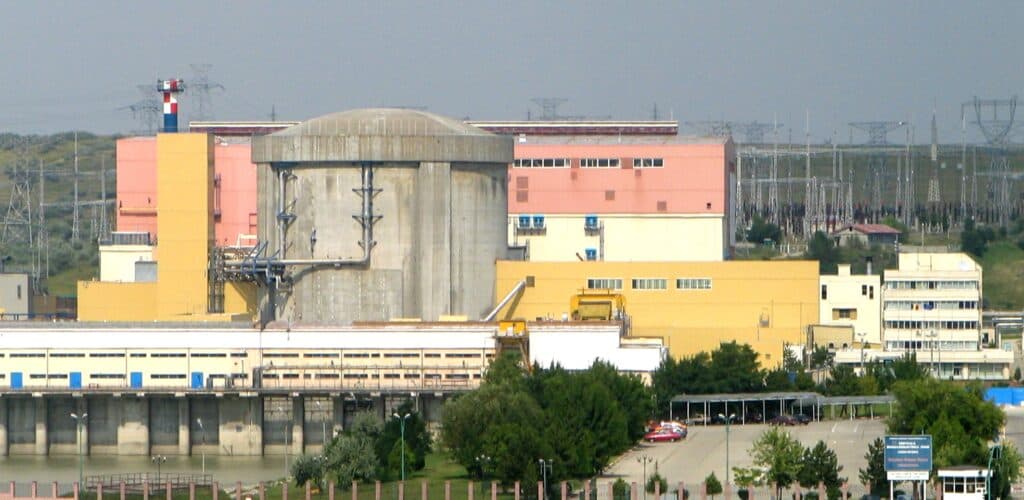
The European Commission has launched an in-depth investigation into Romania’s plan to provide public support for the refurbishment and lifetime extension of Unit 1 of the Cernavodă nuclear power plant. The aim is to assess whether the proposed measures comply with EU state aid rules.
Romania notified the European Commission of its plan in January 2026. The project involves refurbishing Cernavodă-1 while maintaining its existing generating capacity of 706 MWe, allowing it to continue operating for another 30 years.
Significance for Romania’s energy sector
The first unit of the Cernavodă power plant entered commercial operation in 1996 and, according to the European Commission, provides approximately 10% of Romania’s electricity generation.
As the reactor’s original operating licence expires in 2027, the Commission considers extending its operation for another 30-year operating cycle important for the long-term availability of low-carbon electricity. The project is also intended to strengthen the security of electricity supply in Romania and contribute to the European Union’s decarbonisation goals.
Support to comprise four measures
Nuclearelectrica, the owner and operator of the Cernavodă power plant, is to receive the support. The company is majority-owned by the Romanian state and is the country’s sole nuclear power plant operator. The project’s estimated nominal value is 3.2 billion euros (about CZK 78 billion).
Romania plans to support the project using four instruments. The first is a direct grant of 600 million euros. The second consists of state guarantees for loans to finance the investment. The third measure is a 30-year two-way contract for difference (CfD), intended to provide the power plant with stable and predictable revenues. The fourth element is a mechanism to protect against changes to the regulatory framework during construction and subsequent operation.
Commission questions whether the measures are proportionate
In its preliminary assessment, the European Commission said it considers the project necessary and that the support contributes to the development of economic activity. At the same time, it expressed doubts as to whether the package of measures as a whole fully complies with EU rules.
The Commission will examine in particular whether the proposed support is appropriate and proportionate. According to the Commission, it is not yet clear whether the proposed model appropriately balances limiting investment risks on the one hand and maintaining incentives for efficient progress on the other, without transferring an excessive share of the risks to the state.
Under European Union rules, state aid for nuclear energy must be necessary and proportionate and must not distort trading conditions to an extent contrary to the common interest.
Cernavodă is the country’s key nuclear power source
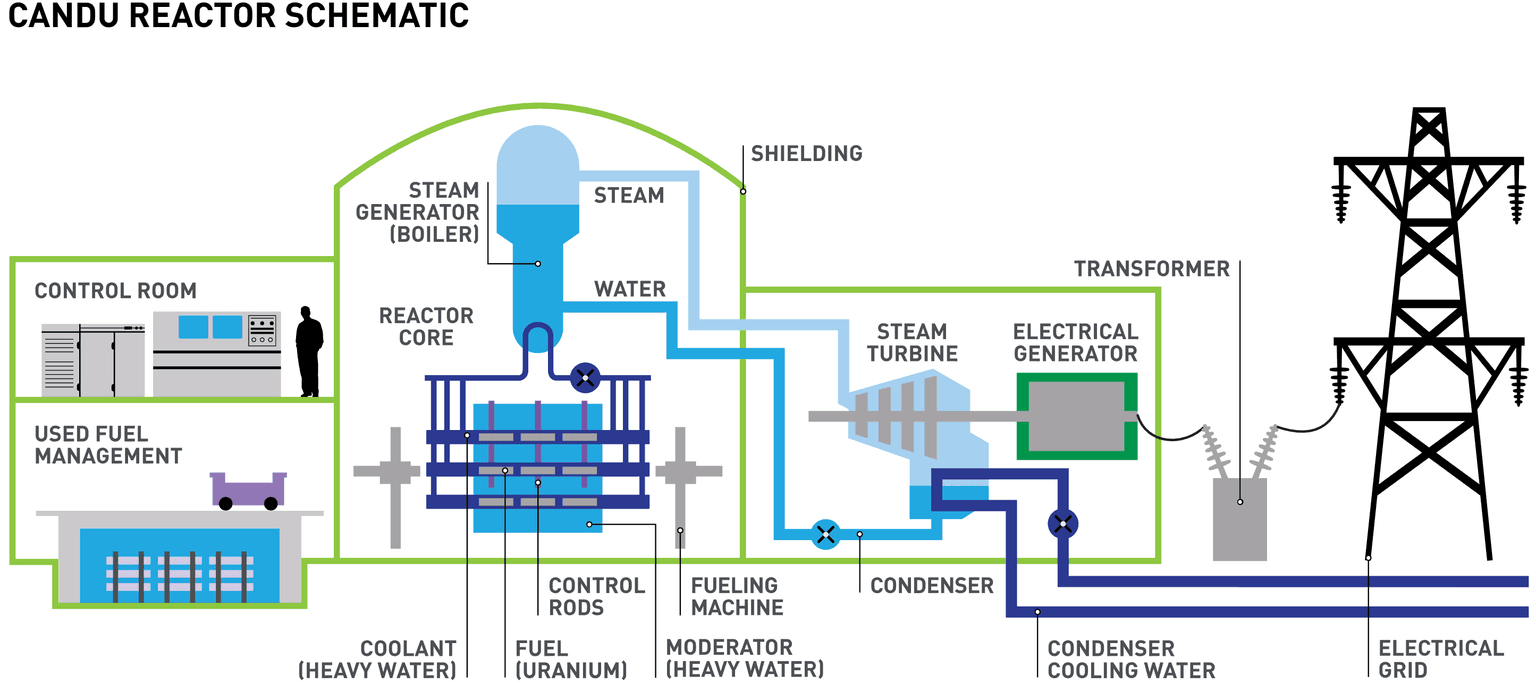
The Cernavodă power plant has two CANDU 6 pressurised heavy-water reactors, which together provide almost 20% of Romania’s electricity generation. Bucharest also plans to build two additional nuclear units at the site.
Translation disclaimer
This article is a machine translation of the Czech original and has not yet been fully reviewed. In case of any doubt, please refer to the Czech version.