European reactors set to operate beyond 60 years

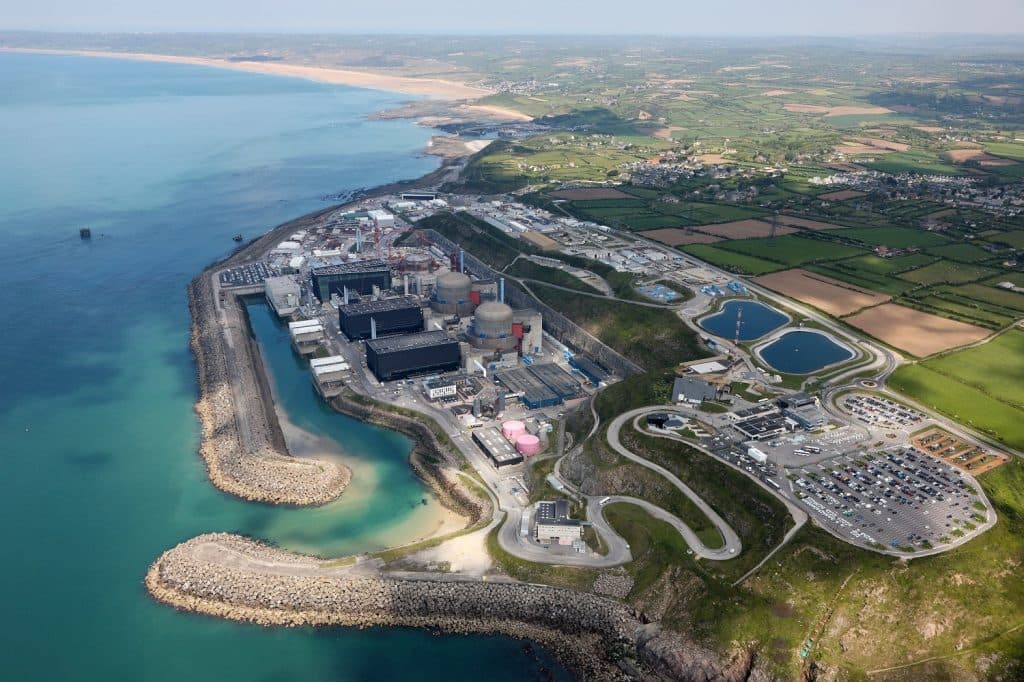
Operating nuclear power plants beyond 60 years is gradually moving in Europe from a technical debate into energy-sector practice. The reason is clear – preserving a stable, zero-emissions source of electricity that can help bridge the period while new reactors are being built.
Unlike the United States, Europe does not yet have a unified system that handles extending operation from 60 to 80 years through a single standard procedure. Each country therefore uses its own legislative and regulatory framework.
Sweden: Forsmark and Ringhals aim for 80 years
The most concrete European case today is the Swedish Forsmark and Ringhals nuclear power plants. In 2024, Vattenfall announced that the owners of both sites had made a strategic decision to pursue extending the operation of existing units from 60 to 80 years.
However, this is not yet final regulatory approval. Detailed technical analyses, an economic assessment and decisions on the scale of the investment required are now expected to follow. These are expected to focus in particular on the refurbishment of major equipment, such as turbines, generators, condensers and instrumentation and control systems.
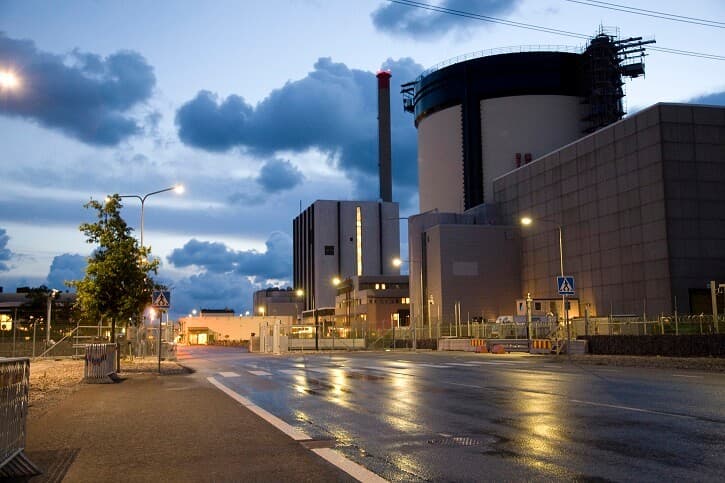
The question of long-term operation is also being considered for Oskarshamn 3. Its owners, Fortum and Uniper, announced that they will examine measures that could enable operation for up to 80 years.
Unlike Forsmark and Ringhals, however, this case is still only at the study stage. It is a technical and economic assessment, not a clearly announced investment plan.
Netherlands: Borssele held back by legislation
In the Dutch case, the main obstacle is not the plant's technical condition, but legislation. The Borssele unit is currently subject to a legal limit under which nuclear power plants may not continue generating electricity after 2033.
The Dutch government therefore announced in 2025 that it intends to amend the law. Only then will the operator be able to apply to the regulator to continue operating the plant. If an extension does go ahead, Borssele would in effect be approaching 80 years of operation.
Finland: Loviisa already licensed to operate until 2050
Finland is the furthest advanced among the European cases. In 2023, the Finnish government granted the Loviisa plant new operating licences through to the end of 2050.
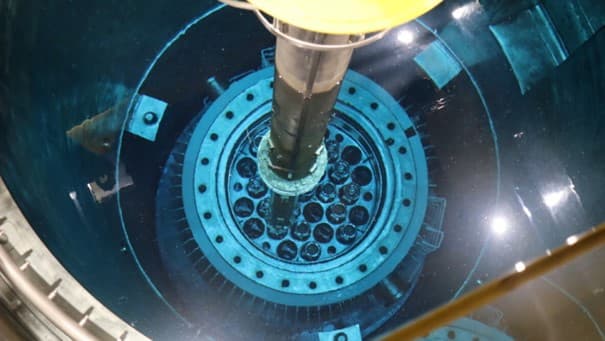
For the older of the two units, this means approximately 73 years of operation. Finland thus shows that, in a European setting too, operation well beyond 60 years can be formally approved if the operator demonstrates the technical fitness and safety of the plant.
Switzerland: Beznau will go beyond 60 years
Switzerland also confirms that long-term operation of nuclear power plants is feasible. In December 2024, Axpo announced that the Beznau plant is to continue operating until 2033. This means Beznau will have operated for 64 years by 2033. According to the company, the decision is based on technical, organisational, regulatory and economic considerations. The company plans further investment of CHF 350 million (approx. CZK 9,4 billion) to operate the plant through that date.
According to Axpo, the possibility of operating the Leibstadt and Gösgen plants beyond 60 years is also being assessed. This confirms that in Switzerland, the issue of operation beyond 60 years is not limited to Beznau, but also concerns other reactor units.
France: so far, mainly technical preparations
France is particularly important to the European debate on long-term reactor operation because it operates Europe's largest nuclear fleet. EDF, the company that operates the nuclear power plants, has not yet announced any specific units targeting 80 years of operation. Although the company is openly considering the need to technically assess the possibility of operating beyond 60 years, this is more a matter of technological and programme preparation.
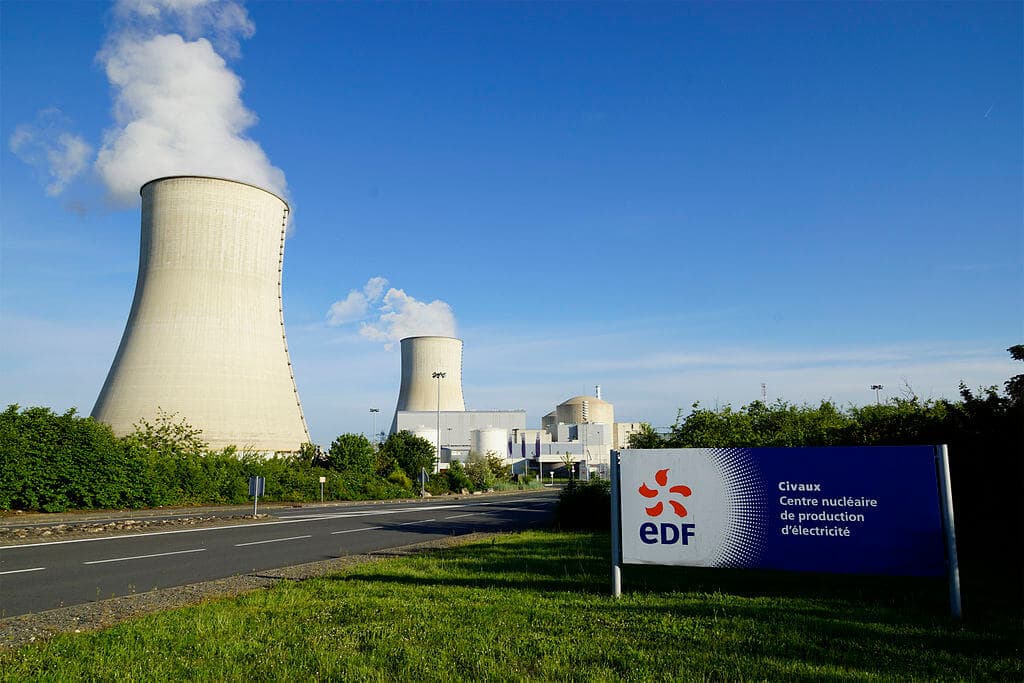
The French case should therefore be seen as preparation and strategic debate, not as a decision already made to operate specific units for 80 years.
The US has a standardised system for 80 years of operation
The United States represents a significant difference from Europe. Its regulator, the NRC, uses a standardised process called Subsequent License Renewal, meaning a further licence renewal after a previous extension to 60 years.
This system allows operation to be extended to up to 80 years and is based on clearly defined requirements for managing equipment ageing, assessing material degradation and updating safety analyses.
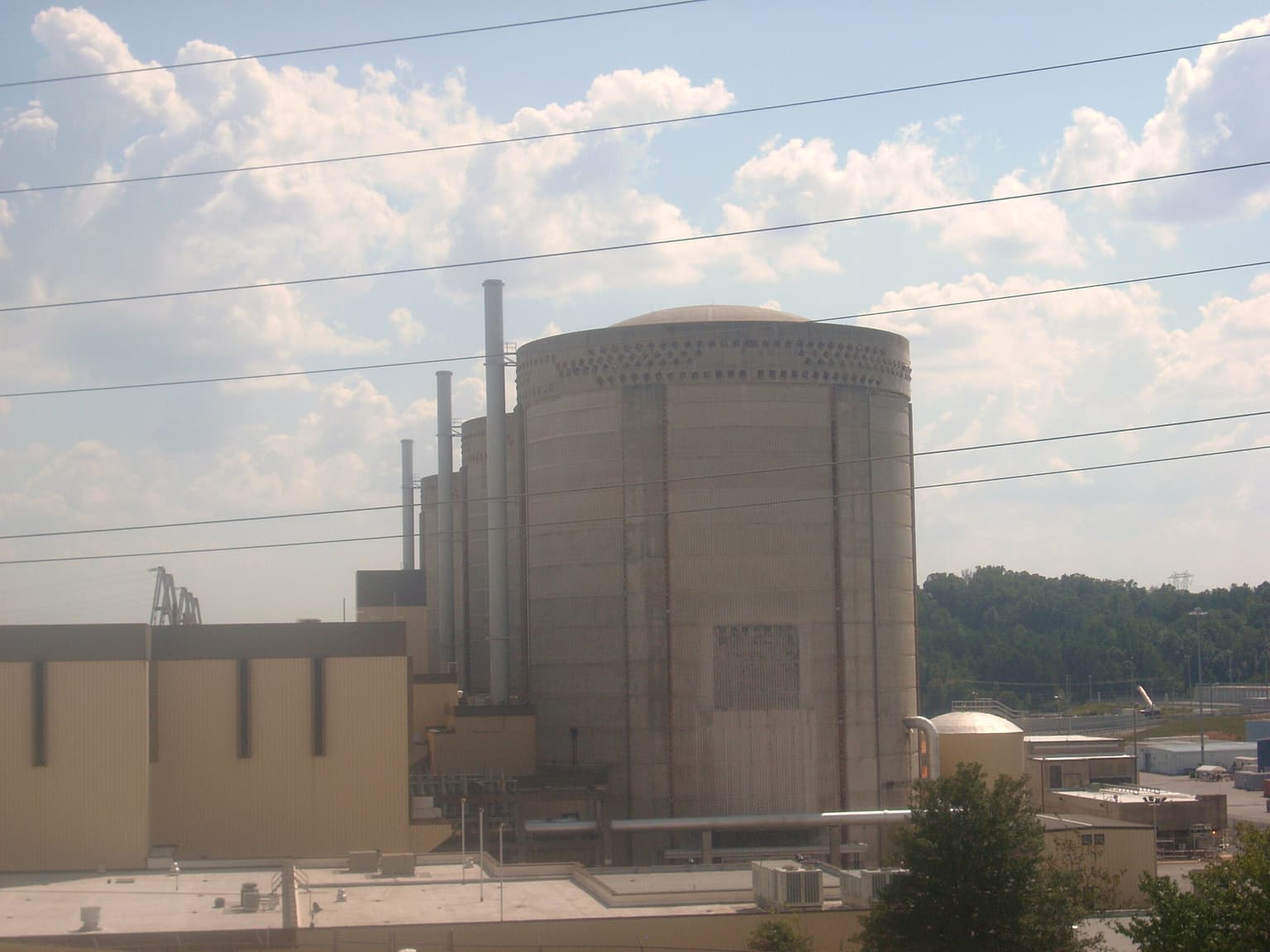
The US model is not just theoretical. The NRC is already issuing such licences. For example, according to the Federal Register, Oconee was issued “subsequent renewed facility operating licenses” on 31 March 2025. Similar licences had previously been granted to the Turkey Point and North Anna reactors.
Europe will probably choose its own path
Europe's path to operating reactors beyond 60 years will probably be slower and less unified than the US approach. Sweden is currently closest to explicitly extending operation to 80 years, Finland has already approved operation well beyond 60 years, and the Netherlands is seeking to remove a legislative barrier.
It is therefore clear that the issue of long-term operation will continue to gain importance in Europe. Alongside the technical condition of the plants, the regulatory framework, the scale of investment required and operators' ability to demonstrate safe operation over the long term will increasingly shape decisions.
Translation disclaimer
This article is a machine translation of the Czech original and has not yet been fully reviewed. In case of any doubt, please refer to the Czech version.