Experts: Nuclear energy is growing, but without investment in uranium, shortages loom

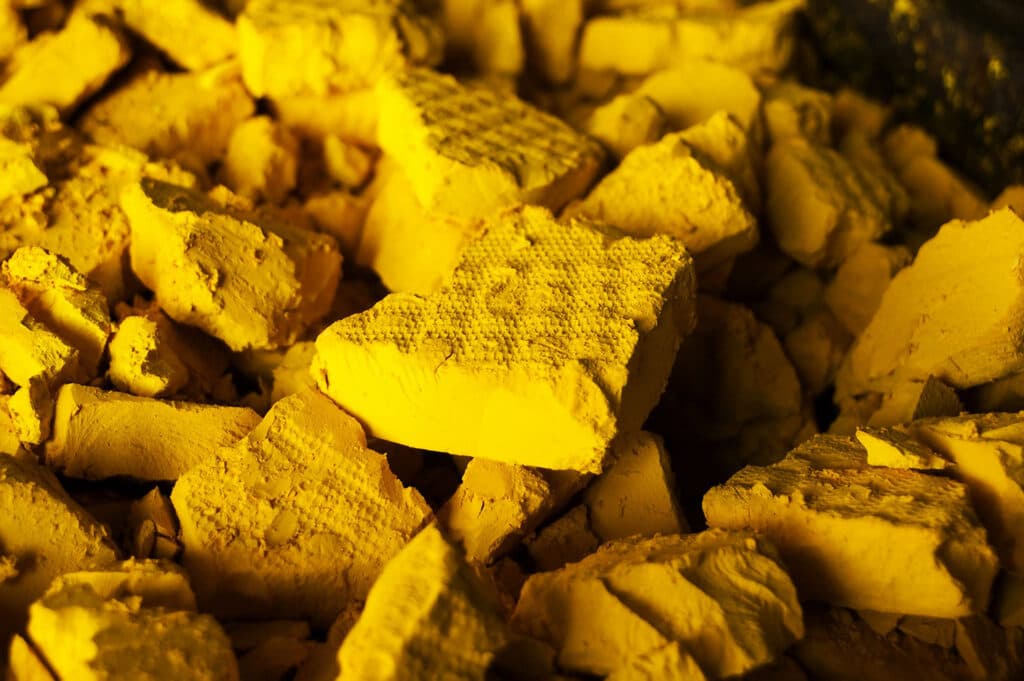
The world should immediately begin investing heavily in uranium mining to meet growing demand for the metal as nuclear energy expands. Confirmed recoverable uranium resources will be depleted in the 2080s if growth is strong. This is according to the regular biennial report on the uranium market, known as the Red Book, prepared by the OECD Nuclear Energy Agency (NEA) and the International Atomic Energy Agency (IAEA). The high-growth scenario assumes that nuclear power capacity will increase through 2050 and then remain elevated.
Current uranium resources are sufficient to support growth at present. But meeting additional demand will require investment in further exploration, mining and processing technology, the report says. This needs to begin immediately to ensure sufficient uranium supplies in the medium term.
Governments and companies are showing growing interest in nuclear energy as a reliable, low-carbon source of power. The United States, Britain and Korea pledged at the 2023 climate summit to triple nuclear capacity by 2050. Companies such as Microsoft and Amazon are also increasing their investment in nuclear energy. They are betting on the technology to power new data centres for artificial intelligence (AI), which consume large amounts of energy, the Financial Times reports.
The International Energy Agency (IEA) said in January that nuclear power had entered a new era and that interest in it was at its highest level since the oil crisis of the 1970s. Annual investment in nuclear energy rose by almost 50 per cent between 2020 and 2023.
Growing demand must, however, be matched by investment in the metal used in nuclear fuel. Under the high-growth scenario, nuclear capacity will increase by 130 per cent by 2050 compared with 2022. But even this figure is likely to be an underestimate, as it takes into account only government strategies and data available through early 2023, before the recent rise in interest in nuclear energy among companies and politicians.
Industry officials warn, however, that Western energy companies face an increasing risk of uranium shortages due to rapidly growing demand.
Kazakhstan is the world’s largest uranium producer, accounting for 43 per cent of total uranium production in 2022. That year, the country produced more uranium than Canada, Namibia, Australia and Uzbekistan—the next largest producers—combined. In recent years, however, Kazakhstan has been supplying increasing amounts of uranium to Russia and China, and less to Europe and the United States.
At the beginning of 2023, confirmed recoverable uranium reserves stood at eight million tonnes, according to the report. These reserves could nevertheless be mined out within this century. There are also further, less explored uranium resources, and researchers expect investment in exploration could uncover additional deposits.
Nuclear reactors do not rely solely on newly mined uranium. They also use so-called secondary uranium sources, such as stocks held by governments or companies that have already been purchased but not yet used—usually strategic reserves—or uranium obtained, for example, through recycling or from nuclear weapons. The report adds that secondary sources will continue to meet some uranium demand, but developing new mining sources is essential.
Translation disclaimer
This article is a machine translation of the Czech original and has not yet been fully reviewed. In case of any doubt, please refer to the Czech version.




