
24 November 2026, 12:24
Loading...
French nuclear plants receive operating exemptions amid heatwave

Jiří Salavec
25 July 2022, 13:25
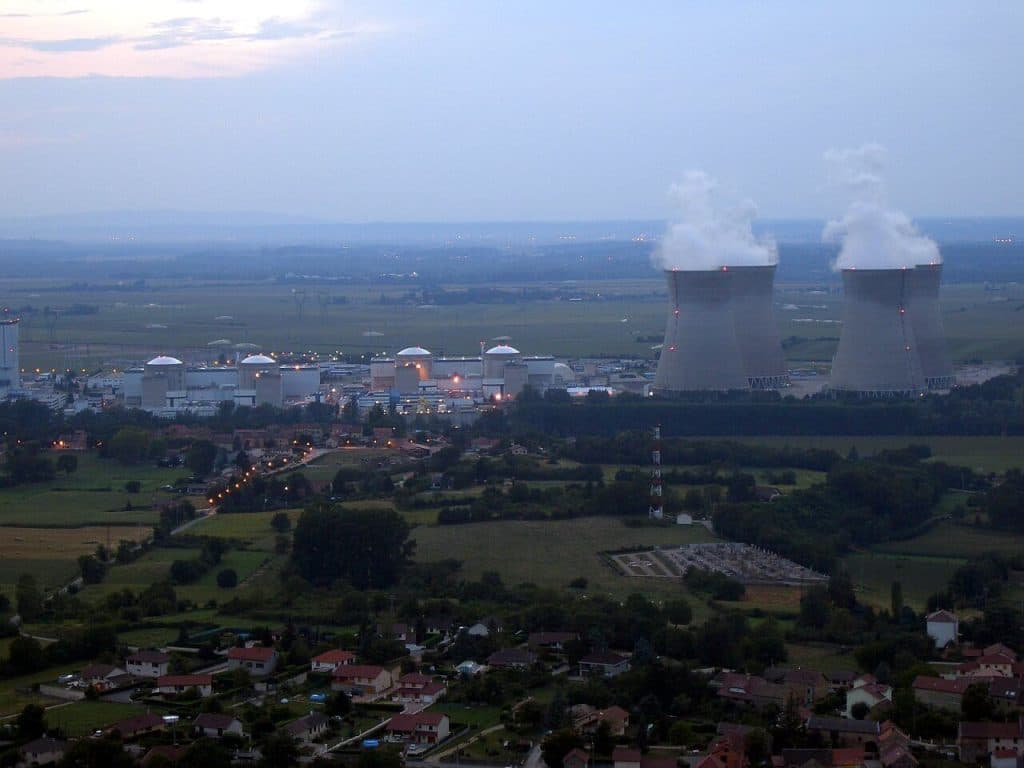
High temperatures across Europe have forced France’s nuclear regulator to grant several nuclear power plants in the country exemptions allowing them to discharge warmer water from their cooling systems. Nuclear power plants that use seawater or river water for cooling must comply with limits on the temperature of the water they return, to avoid putting pressure on aquatic ecosystems. During the current hot weather, however, the temperature of the water entering many plants is already exceeding the applicable limits. French nuclear regulator Autorité de Sûreté Nucléaire (ASN) said it would grant temporary exemptions changing the maximum temperature of cooling water discharged from some nuclear power plants to ensure the security of the electricity grid. During the current heatwave, some plants are unable to comply with the limits.
“The exceptional climatic and hydrological conditions we have experienced this summer have led to an unusual rise in the temperature of some watercourses,” ASN said in a statement.The Golfech, Saint Alban and Blayais nuclear power plants, as well as Unit 2 at the Bugey plant, were granted exemptions. Under normal circumstances, operators must shut down a plant if the temperature limit is exceeded. However, if the security of grid operations is at risk, the regulator may allow the plant to continue operating under increased monitoring, as it has done now. France experienced a similar situation in 2003 and 2006.
Environmental impacts
Cooling with seawater or river water is used at some thermal power plants, including coal-fired plants as well as nuclear ones. At plants that also use cooling towers, the temperature rise between the intake and discharge is in the order of tenths of a degree Celsius. At plants without cooling towers, it can reach several degrees Celsius. Excessive warming of the water can have a negative impact on fish and, more generally, on aquatic life and the environment around the discharge point. This technology is therefore strictly monitored, and limits are set on the temperatures within which a plant may operate.Translation disclaimer
This article is a machine translation of the Czech original and has not yet been fully reviewed. In case of any doubt, please refer to the Czech version.
The article continues for subscribers
Premium content
The rest of this article is available to premium subscribers only. Get access to all premium articles on oEnergetice.cz.
Best value: annual subscription
Monthly option 4 € / month
3.25 €/ month
You might also like
24 November 2026, 11:47

24 November 2026, 11:29

24 November 2026, 06:07
23 November 2026, 17:12