Future of Spain’s nuclear sector? Iberdrola seeks operating-life extensions. Reactors could run for up to 80 years

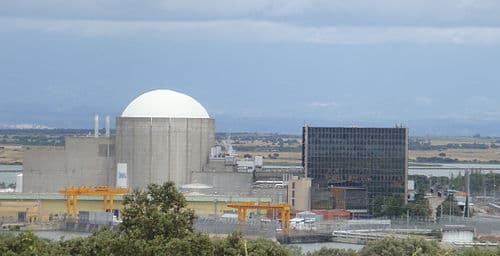
Spanish energy company Iberdrola expects to apply for extensions to the operation of more nuclear power plants in the country. It is currently awaiting regulators’ response regarding the Almaraz power plant, which is due to under the current schedule be shut down as early as in 2027–2028. Its operators want to extend its operating life by approximately until 2030.Nuclear power plants currently account for around one-fifth of electricity generation in Spain, and energy companies say that extending their operation to as much as 80 years would help stabilise the energy system and electricity prices.
Spanish energy company Iberdrola expects, that it will seek to extend the operation of all nuclear power plants in the country. The debate was sparked by an application to extend the operating life of the Almaraz power plant, which under the proposal could operate for approximately three years longer than provided for by the current timetable for the gradual shutdown of nuclear power plants. The debate comes at a time when Spain is officially planning to end electricity generation from nuclear power by 2035.
The Almaraz power plant in the Extremadura region is set to be the first affected by the shutdown plan. Under the current timetable, its first unit is due to be shut down in 2027 and the second a year later.
The plant’s operatorsagreed to extend its operation back in 2025. They then submitted a formal application to extend the licences for both reactors until 2030 to the Spanish Ministryfor the Ecological Transition at the end of October 2025. Regulators are now considering the application.
If the regulator approved the application, it would mark the first departure from the agreement between the government and energy companies from 2019, which set out the gradual closure of all nuclear power plants in the country between 2027 and 2035.
The Almaraz power plant is one of Spain’s largest nuclear power plants in Spain. It is owned by a consortium of three energy companies – Iberdrola holds approximately 53 percent, Endesa around 36 percent and Naturgy about 11 percent. In their view, extending its operation would help stabilise the energy system while also easing pressure on electricity prices.
Nuclear remains a key part of Spain’s energy mix, generating around one-fifth of its electricity
Spain currently operates five nuclear power plants with seven reactors – in addition to Almaraz, these are the Ascó, Cofrentes, Vandellós II and Trillo power plants. Together, they account for approximately one-fifth of domestic electricity generation. Most of the reactors were commissioned in the 1980s and are gradually approaching the end of their originally planned 40-year operating life.
Energy companies therefore argue that shutting them down at the current pace of renewables development could create a risk to the stability of the energy system. Nuclear power plants provide stable, zero-emission electricity generation, which helps balance fluctuations in generation from solar and wind farms.
According to Iberdrola’s management, modernised reactors can operate significantly longer than originally expected. Some nuclear units around the world can, according to energy experts, reach an operating life of 60 to 80 years provided they meet safety requirements. In that case, extending operations by several years would mean relatively limited investment compared with building new generation capacity.
The debate over the future of nuclear energy in Spain is not solely a technical issue. It is also a sensitive political topic. The current government has long supported a strategy of rapidly developing renewable energy, particularly solar and wind farms, which are intended gradually to replace fossil fuels as well as nuclear power.
Any extension of the operation of nuclear power plants will therefore have to meet several conditions. These include in particular confirmation of reactor safety by the nuclear regulator, ensuring the stability of electricity supply, and also ensuring that the extension does not result in additional costs for the state or consumers.
Another contentious issue is the taxes that the Spanish government has imposed on the operation of nuclear power plants. Energy companies have long argued that these levies significantly increase the cost of operating reactors and can make their continued operation economically less competitive.
Spanish companies’ approach reflects current efforts to revive nuclear power in the EU and US
The debate over extending the operating life of nuclear power plants in Spain is part of a broader European trend. Many reactors in Europe were built in the 1970s and 1980s, and their operators now face the decision whether to invest in modernisation and extend their operating life, or gradually shut them down.
In recent years, a number of countries have been leaning more towards the first option. This shift is also being encouraged by recent statements by senior German officials that shutting down nuclear power was a strategic mistake. For example, France plans to extend the operation of some reactors to as much as 60 years. Belgium, which until a few years ago planned a complete phase-out of nuclear power, ultimately decided to keep selected reactors in operation for longer for reasons of energy security.
The trend is even more pronounced in the United States, where some nuclear power plants are being granted licences for up to 80 years of operation. Operators of plants there make similar arguments to those in Europe – extending reactors’ operating lives is often cheaper than building new generation capacity and also helps reduce greenhouse gas emissions.
The extension of operations at the Almaraz power plant is now being considered by Spain’s nuclear regulator. If it approved the application, the move could pave the way for similar applications at other nuclear power plants in the country.
The outcome of the decision could therefore have a significant impact on the shape of Spain’s energy sector over the coming decades. If operations at some reactors were indeed extended, it would represent a significant change from the original strategy of a complete phase-out of nuclear power by the middle of the next decade.
Translation disclaimer
This article is a machine translation of the Czech original and has not yet been fully reviewed. In case of any doubt, please refer to the Czech version.