25 September 2026, 09:51
Loading...
Germany seeks nuclear waste repository, suitable sites also on Czech border

oEnergetice.cz, ČTK
3 November 2025, 13:53
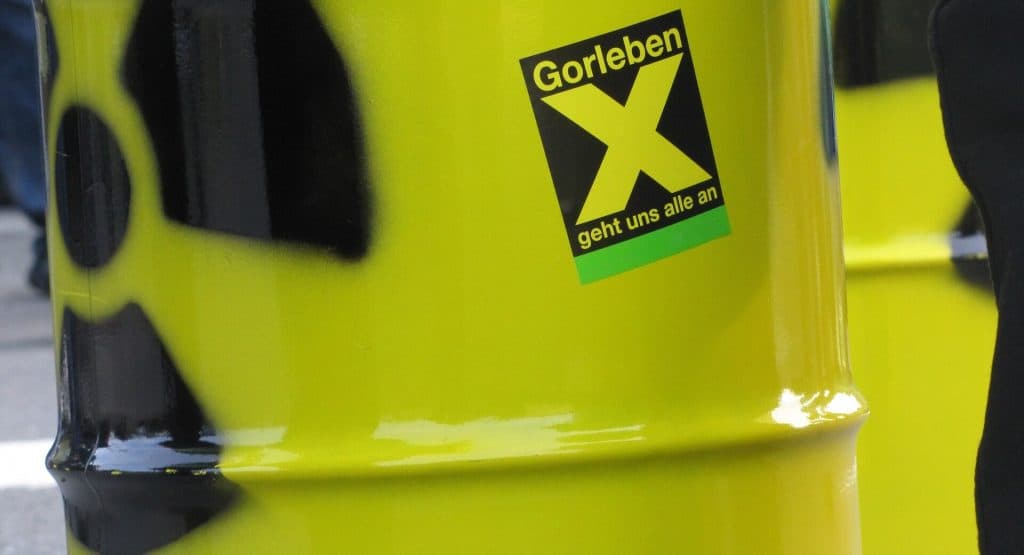
Berlin, Nov. 3 (CTK correspondent) - Germany is continuing its search for a permanent nuclear waste repository. The BGE agency has narrowed the area where it could one day be located to 25 percent of the country’s territory. It announced this at a press conference today. The agency now considers, among other locations, areas on the border with the Czech Republic suitable for building the repository: in the Ore Mountains, the Bohemian Forest and the Upper Palatine Forest. The facility is to be completed by 2050.
Germany decided to end nuclear power generation in 2011 under Chancellor Angela Merkel’s government. The impetus was the accident at Japan’s Fukushima nuclear power plant that same year. Germany disconnected its last three nuclear power plants from the grid in 2023, ending more than 60 years of nuclear energy generation.
However, the search for a site for a permanent nuclear waste repository is continuing. According to the agency, the aim is for the waste to remain underground there for at least one million years. The Federal Company for Radioactive Waste Disposal (BGE) said today that, based on the geological characteristics of the subsoil, it had identified areas where the repository could be built. They cover around 25 percent of Germany’s territory, which exceeds 357,000 square kilometres. Last year, the figure was still 44 percent.
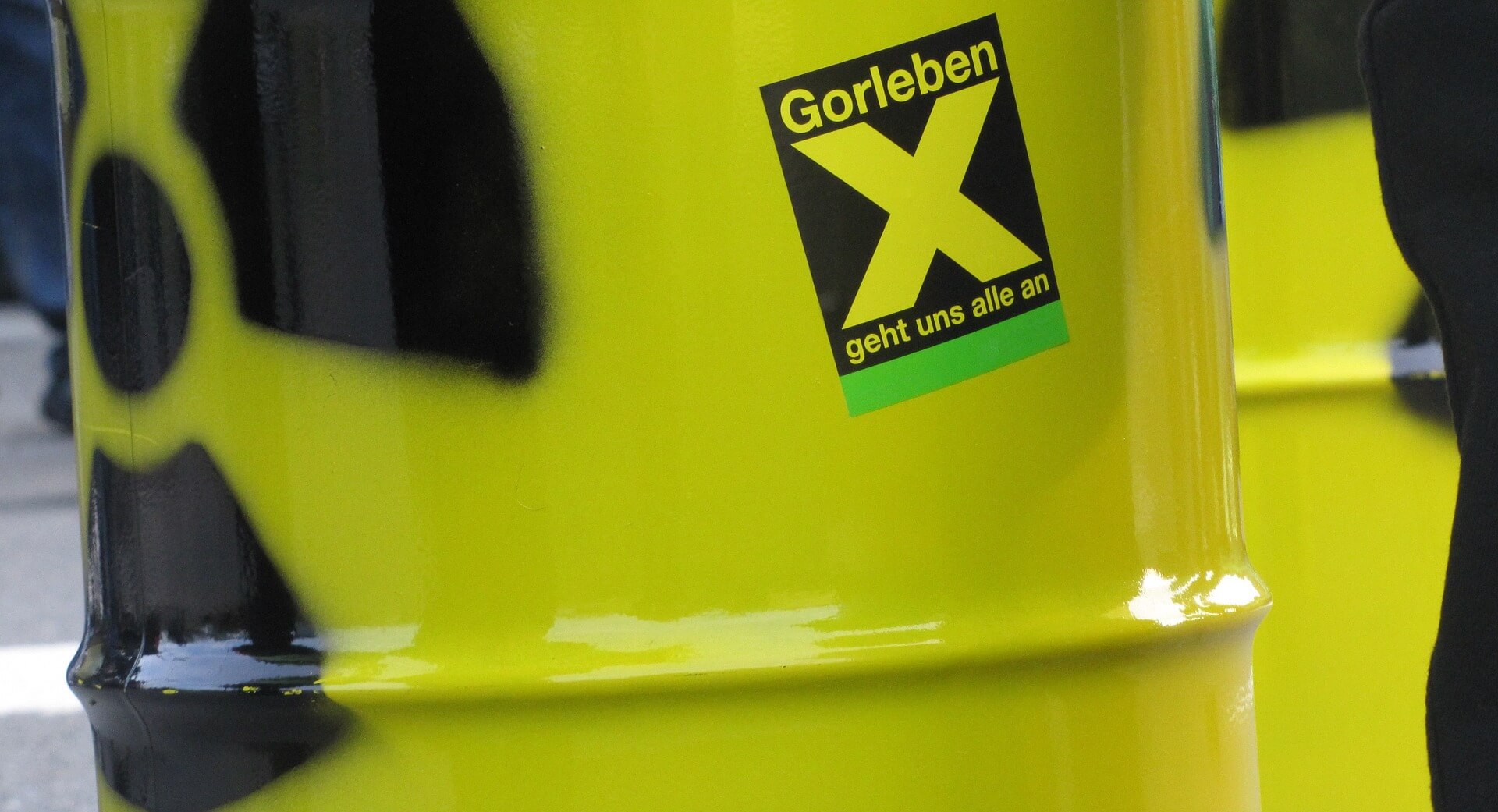
Nuclear waste. Source: Pixabay
The areas under review are located mainly in the north of the country, with BGE already identifying, among others, sites near Braunschweig, Hanover and Osnabrück as suitable. In central Germany, areas near Halle and Erfurt have successfully passed the first stage of assessment. According to BGE, some sites on the Czech-Saxon border in the Ore Mountains and on the Czech-Bavarian border in the Upper Palatine Forest and Bohemian Forest regions could also be suitable. The updated map also marks three large areas in Baden-Württemberg in southwestern Germany as suitable.
For now, BGE is assessing the areas based on desk research. “We are looking only at the geological data available to us,” said Iris Graffunder, head of the agency. Geological composition plays a role, as does the earthquake risk, for example. Only at the end of 2027 does BGE plan to propose areas where surface investigations should be carried out. The final decision on where the repository will be built rests with lawmakers. By 2050 at the latest, the facility should be ready for 27,000 cubic metres of highly radioactive waste produced during 60 years of nuclear power plant operation in Germany. German nuclear waste is currently held in 16 interim storage facilities in various parts of the country.
The Czech Republic is also searching for a site for permanent disposal of nuclear waste. In September this year, the Radioactive Waste Repository Authority (SÚRAO) announced that it was beginning geological and hydrogeological mapping of sites being considered for the construction of a deep geological repository. These are four areas: Březový potok in the foothills of the Bohemian Forest, Janoch near Temelín, and Horka and Hrádek in the Vysočina region. Under the updated radioactive waste management strategy, the site where the repository will be built is to be selected by 2030. EU rules on so-called green investments require the Czech Republic to have the repository completed by 2050.
Translation disclaimer
This article is a machine translation of the Czech original and has not yet been fully reviewed. In case of any doubt, please refer to the Czech version.
Sdílejte článek prostřednictvím:
You might also like
24 September 2026, 11:23

24 September 2026, 10:30
24 September 2026, 06:56