IAEA says Iran is failing to meet its nuclear safeguards obligations

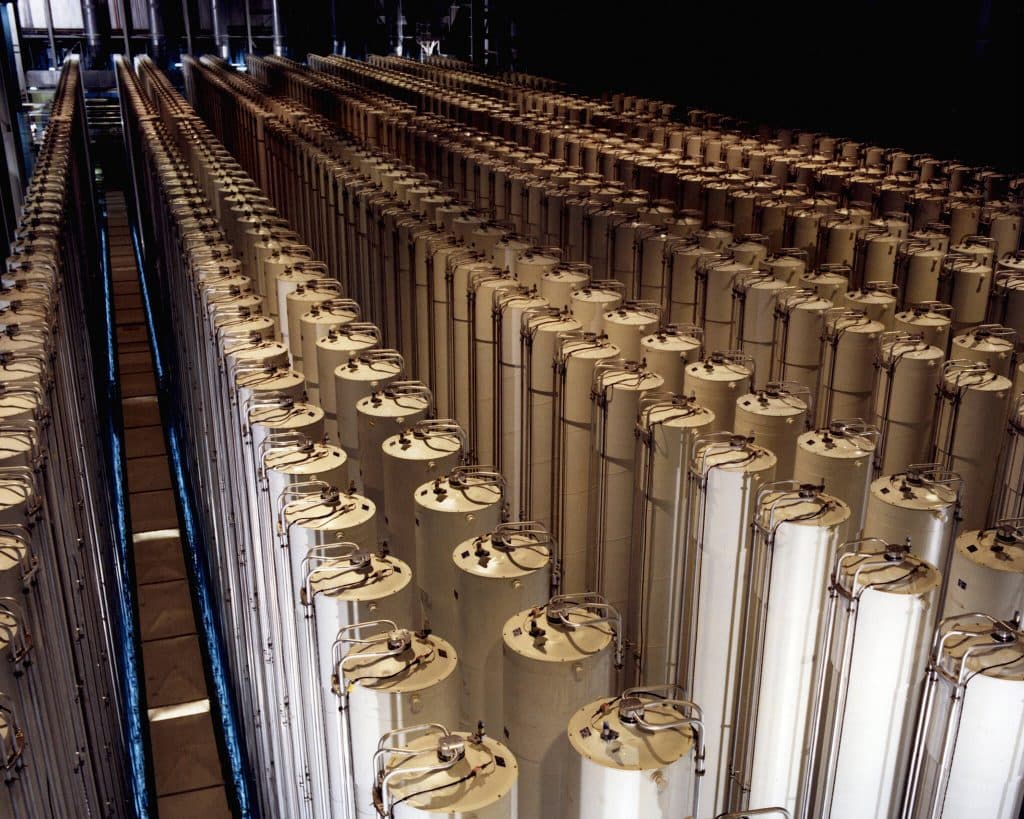
The Board of Governors of the International Atomic Energy Agency (IAEA) has for the first time in 20 years officially found that Iran is failing to meet its obligations concerning its nuclear programme. The resolution was put forward by France, Britain, Germany and the United States. Diplomats, speaking on condition of anonymity, told the AP news agency that the resolution was approved by a majority of representatives from the IAEA’s 35 member countries at a meeting in Vienna today. Tehran announced countermeasures in response, including the opening of a new uranium enrichment facility.
"(The Board) finds that Iran has repeatedly failed since 2019 to provide the Agency with full and timely cooperation regarding undeclared nuclear material and activities at several undeclared locations in Iran... which constitutes a breach of its obligations under its Safeguards Agreement with the Agency," says the text of the resolution, seen by Reuters.
In the document, also cited by the AP, the Board again calls on Iran to immediately explain the origin of uranium traces found at several locations that Tehran has not identified as nuclear sites. Western officials suspect that these traces may be evidence of a secret Iranian nuclear weapons programme, which is estimated to have ended in 2003.
Iran has already announced countermeasures in response to the resolution, including opening a new uranium enrichment facility and upgrading centrifuges at the Fordow nuclear facility, Iranian state television reported, according to Reuters.
The move could further heighten international tensions and pave the way for UN sanctions against Tehran to be reinstated later this year, the AP reports.
The IAEA Board of Governors, which has 35 members, is the organisation’s main governing body and sets rules for the peaceful use of nuclear energy.
Translation disclaimer
This article is a machine translation of the Czech original and has not yet been fully reviewed. In case of any doubt, please refer to the Czech version.




