2 October 2026, 21:55
Loading...
Italy and Britain to cooperate on decommissioning graphite reactors

Jiří Puchnar
12 May 2026, 16:58
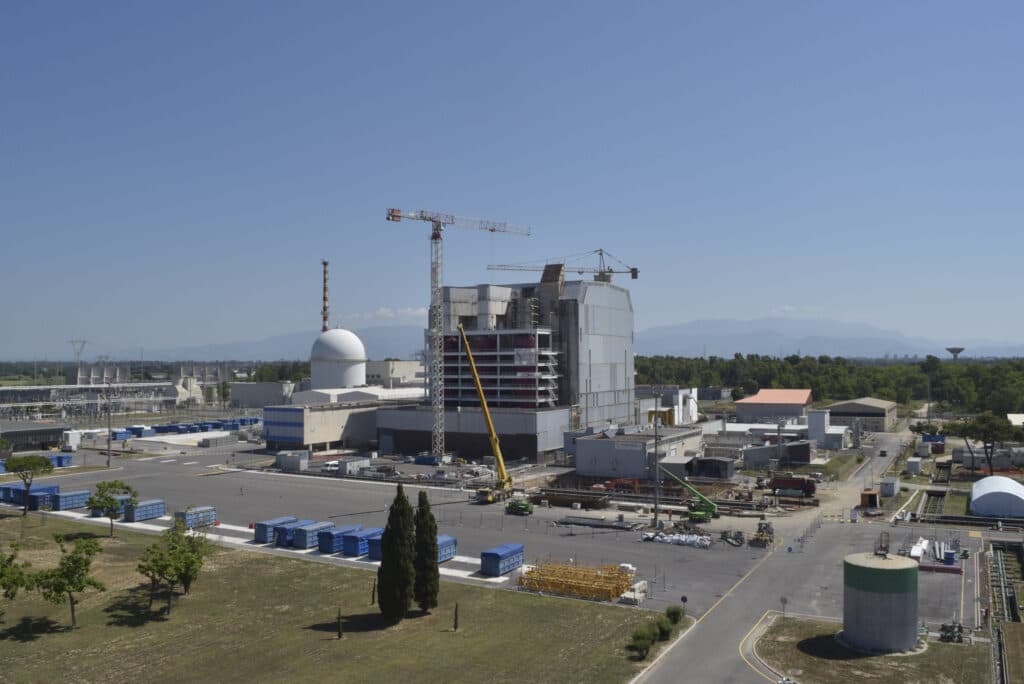
Italian state-owned company Sogin, which is responsible for decommissioning nuclear facilities and managing radioactive waste, has signed an agreement with the UK’s Nuclear Decommissioning Authority (NDA). The aim is to develop cooperation on decommissioning graphite-moderated nuclear reactors.
The five-year memorandum of understanding is part of the NDA’s broader efforts to address specific technical issues associated with decommissioning graphite reactors. For Sogin, the agreement is an opportunity to share and further develop its experience in decommissioning Magnox-type reactors.
Latina: Italy’s experience with Magnox technology
A key reference project for Italy is the Latina nuclear power plant, which was equipped with a British-designed, gas-cooled Magnox reactor. It was an early type of graphite-moderated reactor, cooled by carbon dioxide and using natural uranium fuel.
The reactor unit had an installed capacity of 160 MWe and a thermal capacity of 660 MWt. Construction of the plant began in November 1958, the unit was first connected to the grid in May 1963, and commercial operation began on 1 January 1964. The plant was permanently shut down on 1 December 1987.
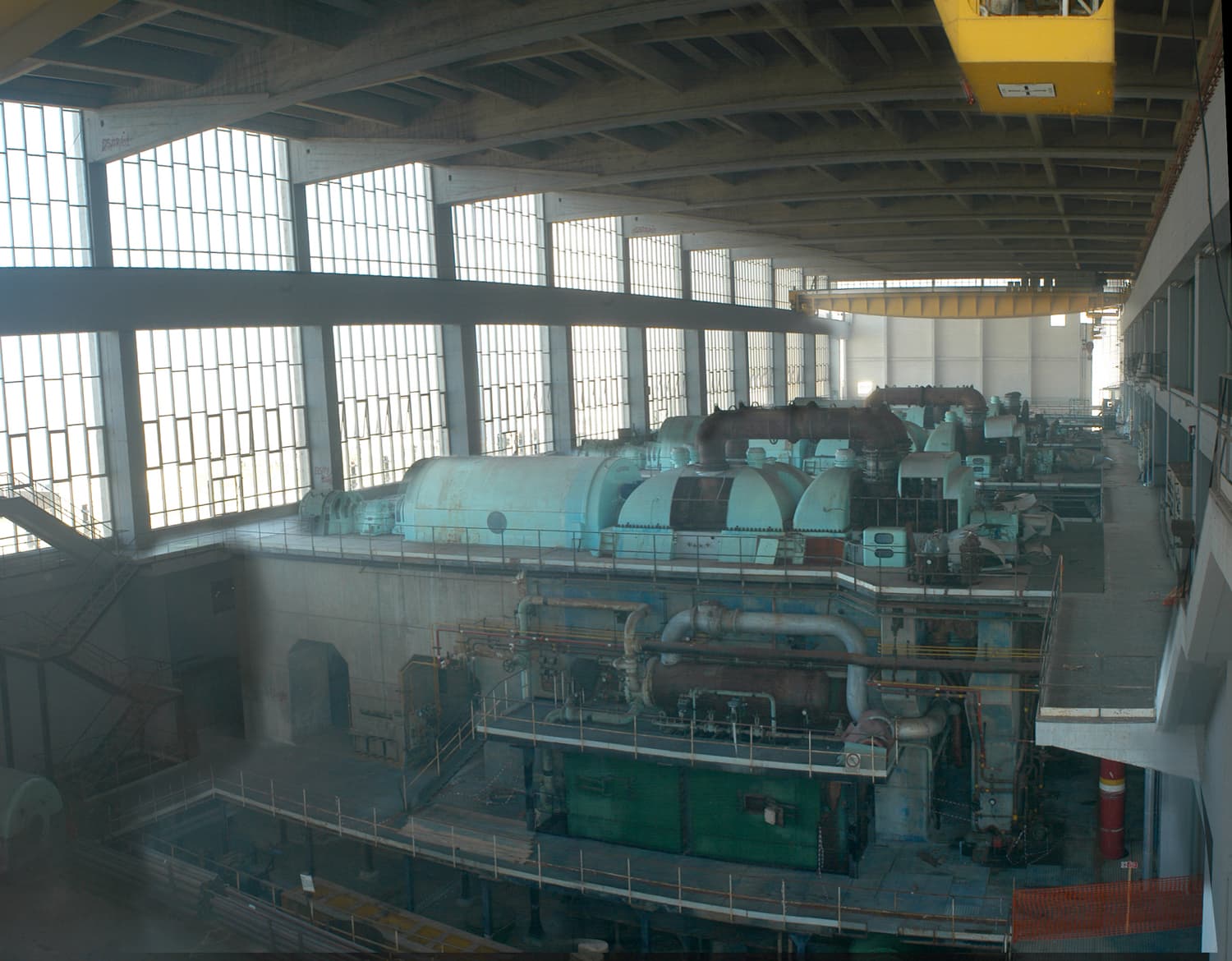
Latina nuclear power plant – turbine hall before decontamination and the dismantling of metal components. Source: Sogin
Magnox reactors were among the first generation of commercially operated nuclear power plants. A total of 26 of these reactors were built at 11 sites in the UK between 1956 and 1971. All had been shut down by 2015, and their decommissioning is now the responsibility of the NDA.
Graphite poses a specific decommissioning challenge
Decommissioning graphite-moderated reactors presents a specific technical challenge. This is mainly due to the large quantity of irradiated graphite in the reactor core, which must be managed safely long after the plant has ceased operating.
International exchange of operational, technical and project experience can therefore play an important role in developing safe and technically feasible procedures for dismantling these facilities.
The agreement with the NDA fits into this framework and builds on Sogin’s other international activities. In recent weeks, the company has also signed similar memoranda with Italian company Graphicore, which specialises in decommissioning graphite facilities, and Japan’s Japan Atomic Power Company.
Britain has extensive experience with graphite reactors
The UK has exceptionally extensive experience with graphite-moderated reactors. In addition to the Magnox units that have already been shut down, it also operated advanced gas-cooled reactors (AGRs), which likewise use graphite as a moderator and carbon dioxide as a coolant.
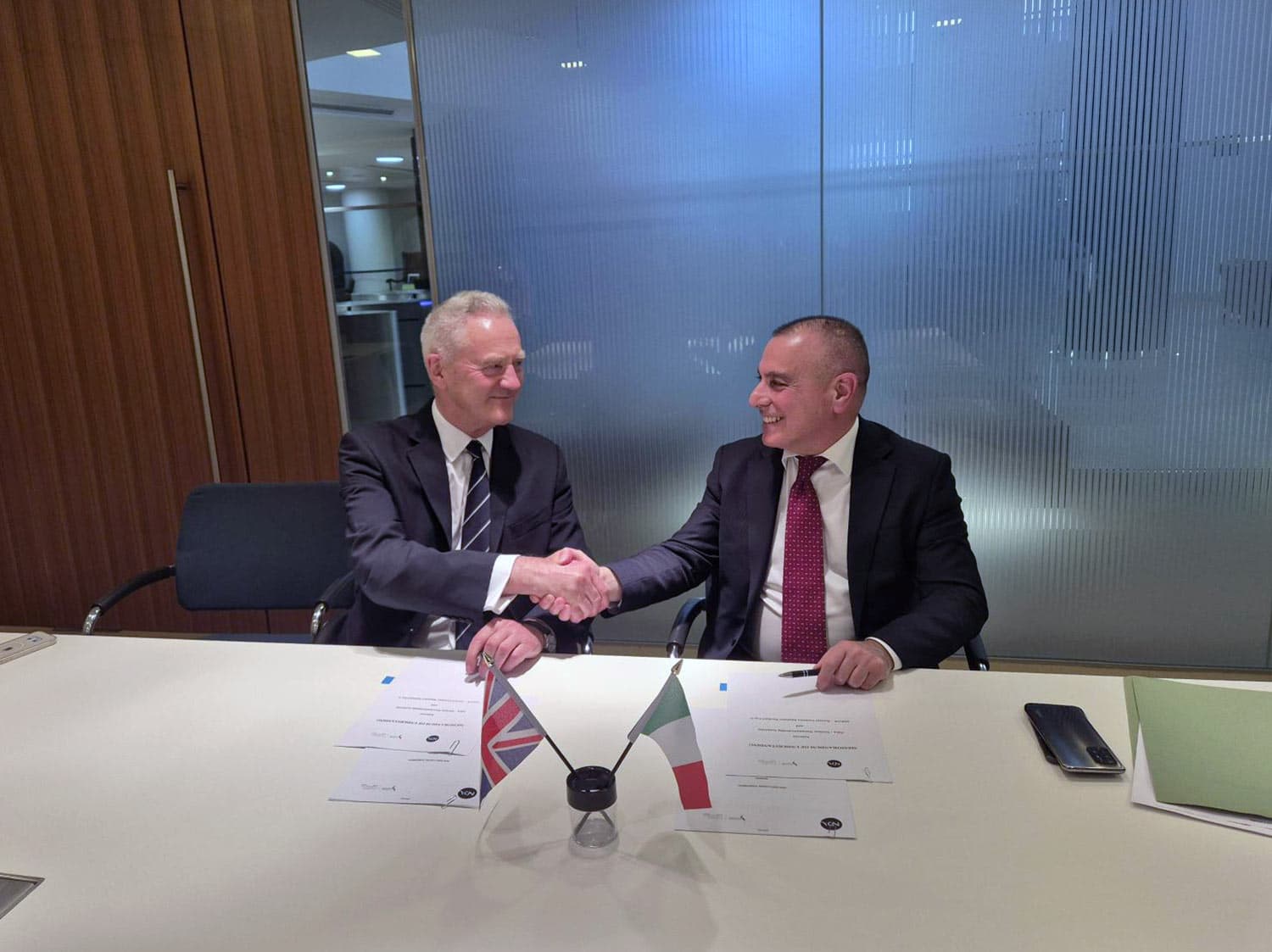
Agreement between Sogin and the UK’s NDA on decommissioning graphite-moderated nuclear reactors. Source: Sogin
The UK’s NDA can therefore be an important partner for countries now dealing with the decommissioning of similar nuclear facilities. Its expertise draws not only on experience operating these reactors over the long term, but also on practical lessons from their phased decommissioning, including planning the dismantling of the reactor core and managing irradiated graphite.
The broader context of graphite-moderated designs also includes Soviet RBMK reactors, which are water-cooled, graphite-moderated channel-type reactors. This type is best known in connection with the accident at the Chernobyl nuclear power plant.
Translation disclaimer
This article is a machine translation of the Czech original and has not yet been fully reviewed. In case of any doubt, please refer to the Czech version.
Sdílejte článek prostřednictvím:
You might also like

2 October 2026, 15:14
2 October 2026, 10:06
2 October 2026, 06:14