
11 November 2026, 13:45
Loading...
Japan passes law allowing nuclear power plants to extend operating lives

Jan Budín
11 June 2023, 08:42
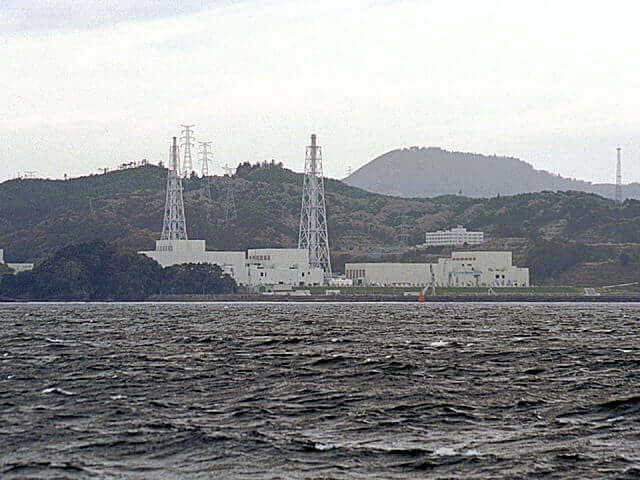
Japan’s parliament has passed a law allowing the country’s nuclear reactors to operate beyond their original maximum lifespan of 60 years, for periods when they were not in operation due to shutdowns following the accident at the Fukushima nuclear power plant. The information was reported by international news outlet Argus.
The new law, which was passed by the Japanese parliament on 31 May, is intended to help Japan ensure the security of its electricity supply and increase the use of non-fossil sources of electricity, namely nuclear power plants and plants using renewable energy sources.
Under the approved law, the existing maximum lifespan of 40 years for nuclear reactors remains in force, with a one-off extension of 20 years possible. However, reactors’ operating lives can be extended by the periods during which they were shut down within their originally assumed lifespans, particularly the periods when individual reactors were shut down as a result of the accident at the Fukushima nuclear power plant.
Translation disclaimer
This article is a machine translation of the Czech original and has not yet been fully reviewed. In case of any doubt, please refer to the Czech version.
The article continues for subscribers
Premium content
The rest of this article is available to premium subscribers only. Get access to all premium articles on oEnergetice.cz.
Best value: annual subscription
Monthly option 4 € / month
3.25 €/ month
You might also like

11 November 2026, 13:19
11 November 2026, 12:52

11 November 2026, 10:55

11 November 2026, 10:43