Japan restarts reactor at the world's largest nuclear power plant

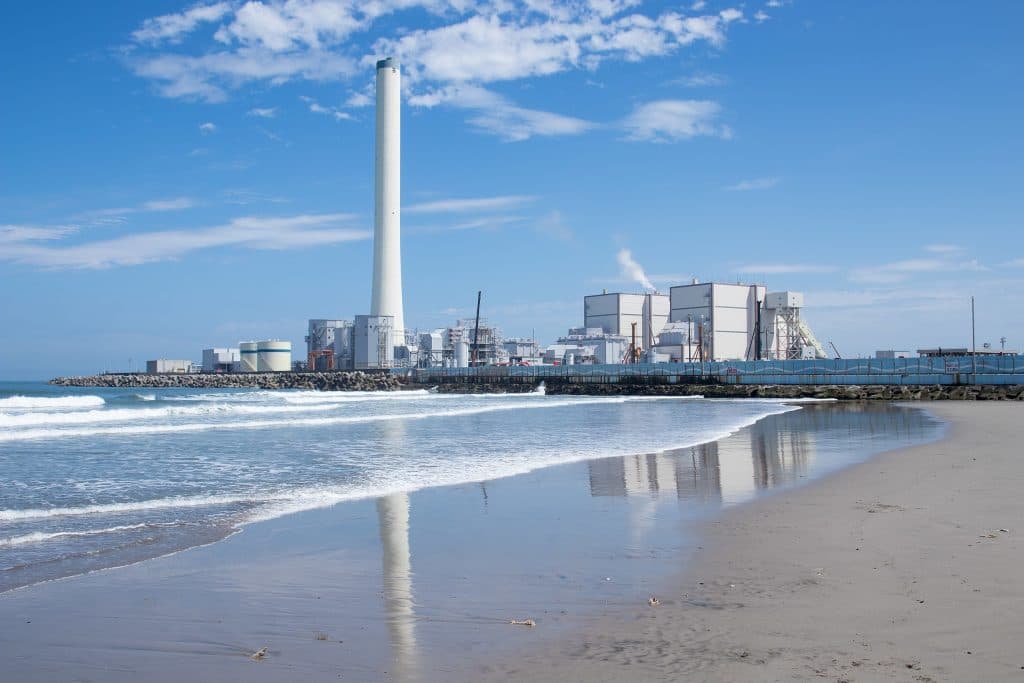
Japan's Tokyo Electric Power Company Holdings (TEPCO) restarted a reactor today at the Kashiwazaki-Kariwa nuclear power plant, the world's largest. News agencies report that the facility, located in Niigata Prefecture northwest of Tokyo, was due to restart for the first time since the 2011 Fukushima nuclear disaster in January, but the restart was halted because of a technical fault.
The power plant has seven units, and the restart currently concerns only reactor number 6. The operator had originally expected to begin the restart on January 20, but postponed it by two days because of technical problems. The process was unsuccessful even then: when an alarm sounded, TEPCO had to halt it after several hours. Today, the company said it had identified and resolved the cause of the problems.
The operator restarted the Kashiwazaki-Kariwa nuclear power plant despite continuing public concerns. In early January, several groups submitted a petition with nearly 40,000 signatures to TEPCO and Japan's nuclear regulator opposing the plant's return to operation. They stressed that the plant is located in a seismically active area that was hit by a powerful earthquake in 2007.
An alarm sounded at the plant in the early hours of January 22 as the control rods were being withdrawn, about five hours after the restart began. The alarm signalled an abnormality in the converter that controls the speed of the motor moving the control rods, prompting the operator to shut down the reactor until it could determine the cause.
The investigation found that the converter itself was not damaged, but the alarm was set to be too sensitive to changes in electrical current. Since abnormalities involving the control rods can be detected by other alarm systems, the operator decided to adjust the converter settings so that such changes would not trigger it.
TEPCO says reactor number 6 has 205 control rods and plans to withdraw all of them today. The company expects the reactor to reach so-called criticality, meaning that a sustained nuclear fission chain reaction will be established in its core.
The company will then start the turbine and begin trial electricity generation and transmission on Sunday, as well as inspect the equipment by shutting the reactor down again. The company said that if no problems are found as output is raised to nearly full capacity, it will begin commercial operation on March 18.
Before the Fukushima disaster, Japan had 54 operating reactors in various parts of the country, and about 30 percent of its electricity came from nuclear power. After a devastating earthquake and a massive tsunami, the cooling systems at the reactors in the Fukushima Daiichi complex failed, releasing radioactive substances into the atmosphere and forcing hundreds of thousands of people to evacuate. Japan temporarily shut down all its reactors and began bringing back into operation from 2015 only those that met stricter safety requirements.
The Fukushima disaster had far-reaching consequences. For example, the German government fundamentally changed its position on nuclear energy in response to the catastrophe. Shortly after the disaster, Chancellor Angela Merkel announced that Germany would gradually shut down all its nuclear units. The last three nuclear power plants in Germany were disconnected from the grid in 2023, ending the country's nuclear power generation after more than 60 years.
Translation disclaimer
This article is a machine translation of the Czech original and has not yet been fully reviewed. In case of any doubt, please refer to the Czech version.