Japanese company TEPCO restarts nuclear reactor shut down after Fukushima

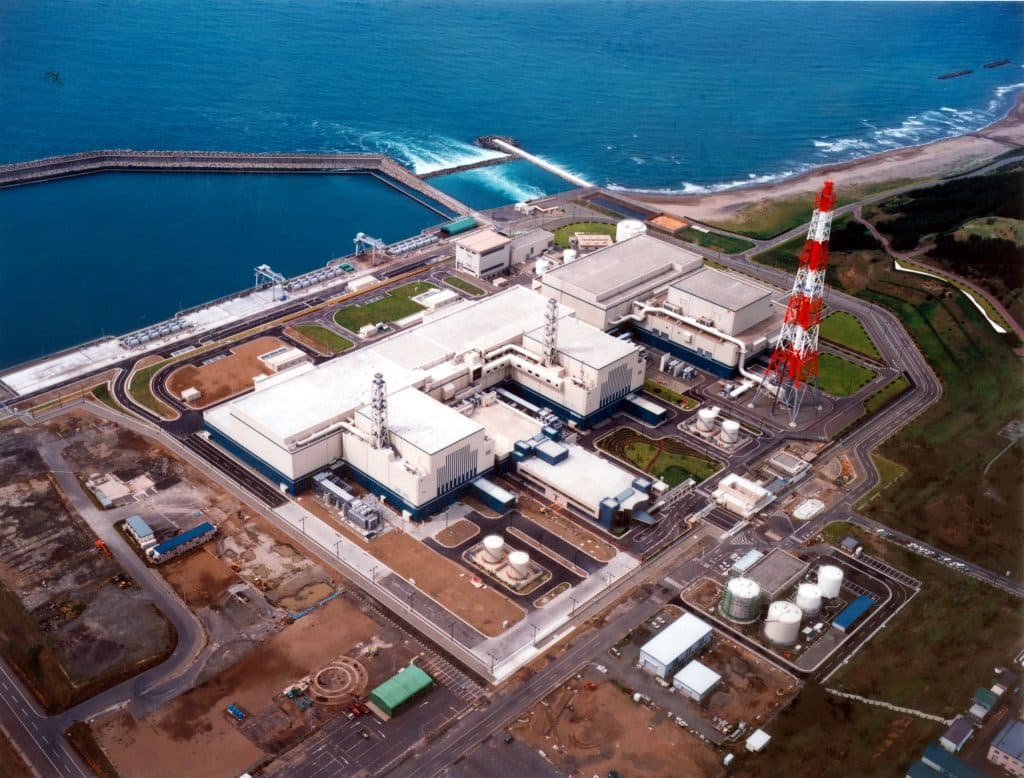
Japanese company Tokyo Electric Power Company Holdings (TEPCO) today restarted a nuclear reactor at the world’s largest power plant, Kashiwazaki-Kariwa, despite lingering public concerns. It did so for the first time since the 2011 Fukushima nuclear disaster, after which Japan temporarily shut down its nuclear reactors. News agencies report.
The reactor was scheduled to start up on Tuesday, but the company had to postpone the process due to technical problems. The plant has seven reactors; reactor No. 6 was brought back into operation today. It started up at 19:02 local time (11:02 CET).

Before the Fukushima disaster, Japan had 54 active reactors in various parts of the country, and around 30 percent of its electricity was generated by nuclear power. After a devastating earthquake and a powerful tsunami, the cooling systems at the Fukushima Daiichi complex failed and radioactive substances were released into the atmosphere, prompting the evacuation of hundreds of thousands of people. Japan temporarily shut down all its reactors and began restarting only those that met stricter safety requirements from 2015.
The Fukushima disaster had far-reaching consequences. For example, the German government fundamentally changed its stance on nuclear energy in response to the disaster. Chancellor Angela Merkel announced shortly after the accident that Germany would gradually shut down all its nuclear power units. The last three nuclear power plants in Germany were disconnected from the grid in 2023, bringing an end to more than 60 years of nuclear power generation in the country.
Translation disclaimer
This article is a machine translation of the Czech original and has not yet been fully reviewed. In case of any doubt, please refer to the Czech version.