NRC approves 80 years of operation for St. Lucie nuclear power plant

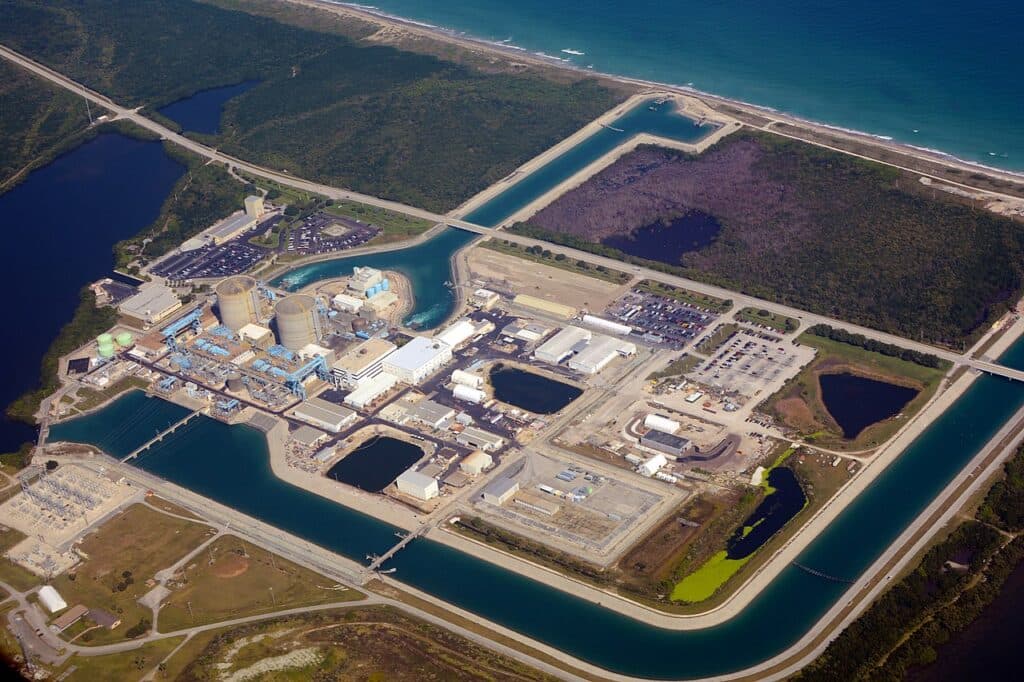
The U.S. Nuclear Regulatory Commission (NRC) has approved a 20-year extension of the operating licenses for both units at the St. Lucie nuclear power plant in Florida. The plant’s operator, Florida Power & Light Company (FPL), confirmed that the regulator had approved its application for what is known as a subsequent license renewal, submitted in 2021.
Under the NRC’s decision, St. Lucie Unit 1 will be able to remain in operation until March 1, 2056, and Unit 2 until April 6, 2063. In both cases, the licenses will allow the units to operate for a total of 80 years.
More U.S. units are heading for 80 years of operation
The U.S. licensing system allows nuclear power plant operators to apply for successive 20-year license extensions after their initial 40-year license. The first extension allows a plant to operate for up to 60 years, while a so-called subsequent license renewal opens the way to operation for up to 80 years. The NRC refers to this process as a subsequent license renewal.
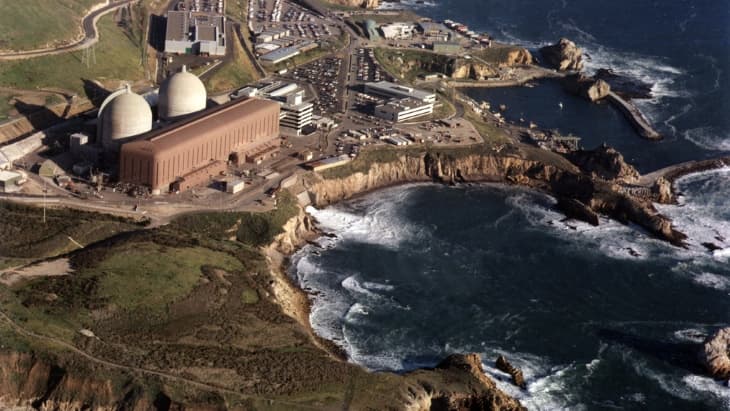
The approval for St. Lucie follows an earlier NRC decision concerning the Turkey Point nuclear power plant, also located in Florida and part of FPL’s portfolio. The operating licenses for its Units 3 and 4 were extended until July 19, 2052, and April 10, 2053, respectively.
Two pressurized-water reactors with a combined capacity of more than 2,000 MW
The St. Lucie nuclear power plant has two pressurized-water reactors (PWRs). Unit 1 began commercial operation in 1976, followed by Unit 2 in 1983. The plant’s total electrical capacity exceeds 2 000 MWe and, according to FPL, accounts for approximately 11% of the company’s generation.
FPL said the plant supplies electricity to more than one million homes and businesses in the region. It also supports approximately 400 jobs.
“This approval will ensure that the St. Lucie plant continues to provide safe, reliable and affordable electricity for generations to come,” said Scott Bores, FPL’s president. He added that nuclear power would remain an important part of Florida’s energy future and a significant contributor to the local and state economies.
NRC has approved more than 100 operating license extensions
The decision on St. Lucie is part of a broader trend of extending the operation of existing nuclear units in the United States. In early April, the NRC announced that the license extensions for Diablo Canyon Units 1 and 2 marked the 99th and 100th extended operating licenses issued for commercial power reactors. Following the subsequent approval for St. Lucie Units 1 and 2, the total has risen above 100.
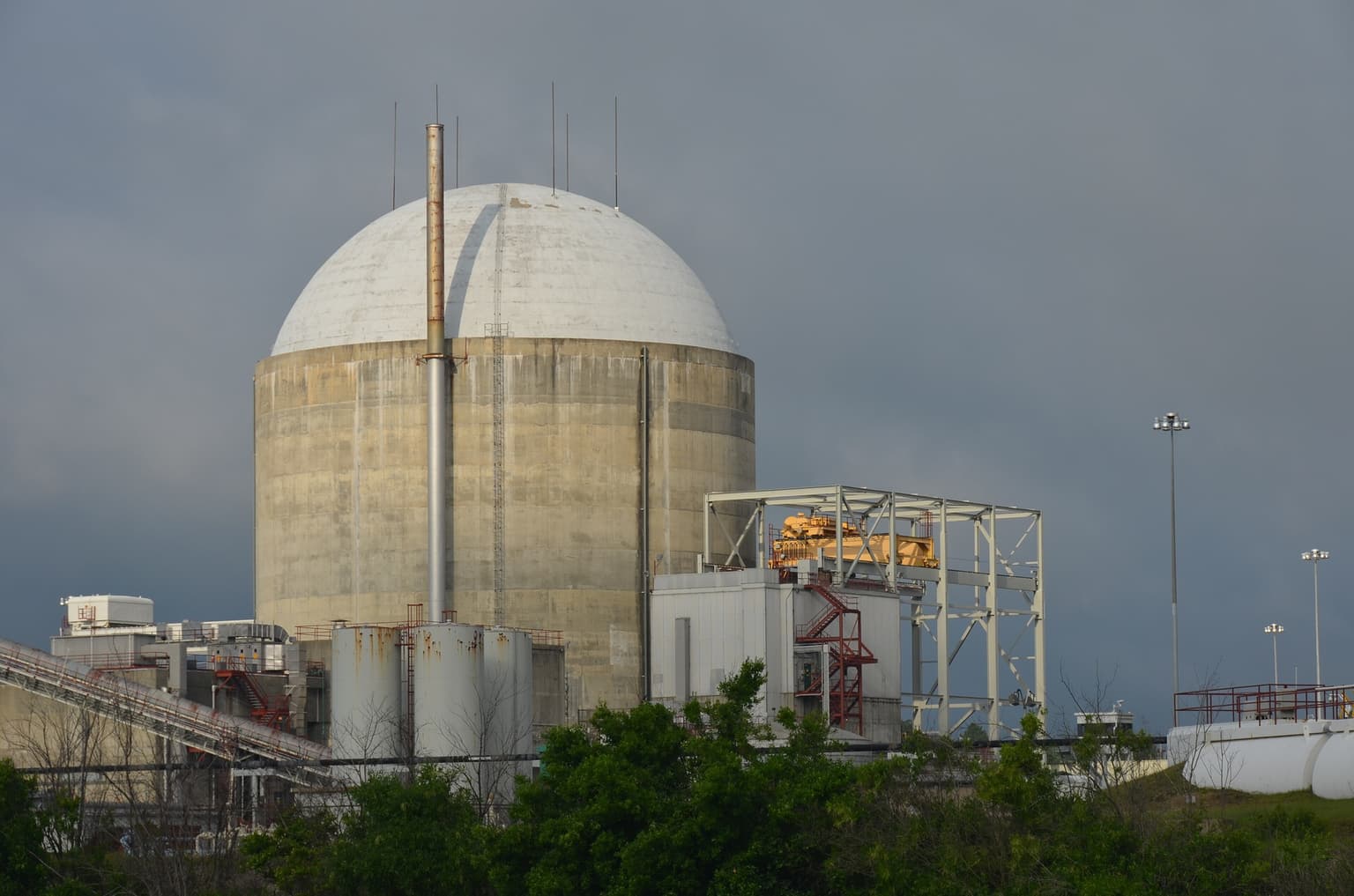
A separate part of this process involves subsequent license renewals for operation between years 60 and 80. According to the NRC’s latest overview, the regulator has completed its review of such applications for plants including Turkey Point, North Anna, Oconee, Point Beach, Browns Ferry, Dresden, H. B. Robinson and St. Lucie. The NRC also says it approved 20-year license extensions for 13 reactors in 2025, helping to preserve approximately 12 000 MW of capacity in the U.S. power grid for another 20 years.
Translation disclaimer
This article is a machine translation of the Czech original and has not yet been fully reviewed. In case of any doubt, please refer to the Czech version.