27 November 2026, 15:13
Loading...
Nuclear fuel for microreactors will be manufactured using 3D printing
Pavel Suk
20 March 2022, 08:29
Ultra Safe Nuclear Corporation (USNC) has introduced two methods for 3D printing silicon carbide for use in innovative fully ceramic encapsulated nuclear fuel. The methods were designed by Desktop Metal, a company specialising in additive manufacturing technology for various components.
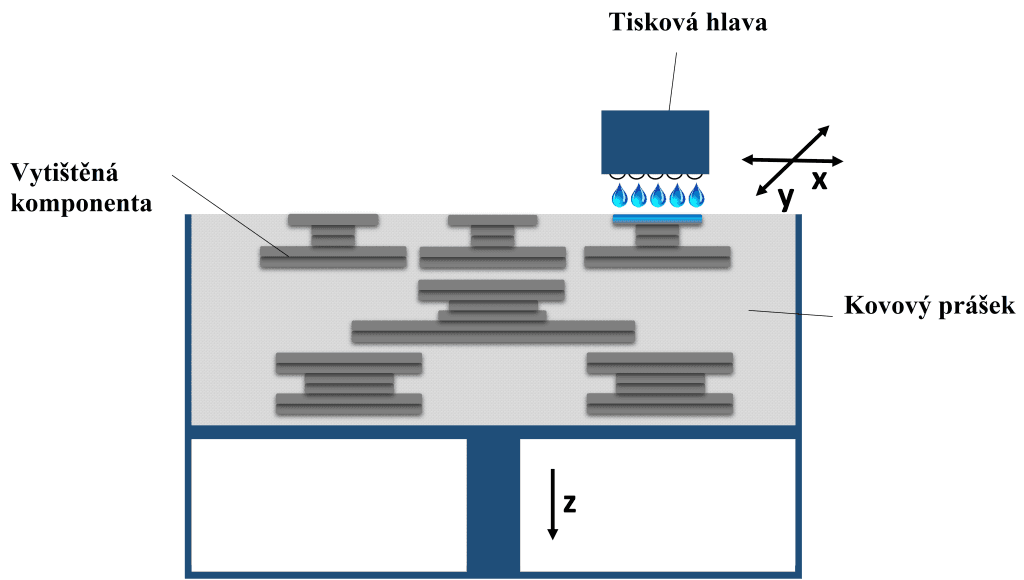
Desktop Metal supplies the specialised X-Series 3D printers. Components are manufactured using binder jetting technology. USNC plans to acquire two more 3D printers by the end of this year.
The special encapsulated nuclear fuel (FCM) contains TRISO (TRi structural ISOtopic) fuel particles coated in silicon carbide. According to a research report by Desktop Metal, the use of specialised jetting technologies is a key step in nuclear fuel production.
Binder jetting is a 3D-printing technology in which nozzles deposit a binder into a bed of powder particles made of metal, sand or ceramics. These particles then form a solid part. Individual layers are built up in this way. An advantage of binder jetting is the absence of heavy, high-pressure tooling of the kind needed for conventional production of ceramic nuclear fuel.
Translation disclaimer
This article is a machine translation of the Czech original and has not yet been fully reviewed. In case of any doubt, please refer to the Czech version.
The article continues for subscribers
Premium content
The rest of this article is available to premium subscribers only. Get access to all premium articles on oEnergetice.cz.
You have read only 38% of the article — unlock the remaining 62% with a premium subscription.
Best value: annual subscription
Monthly option 4 € / month
3.25 €/ month
You might also like

27 November 2026, 06:01

26 November 2026, 16:48