Planned nuclear power plant in Kenya raises environmental and technical concerns

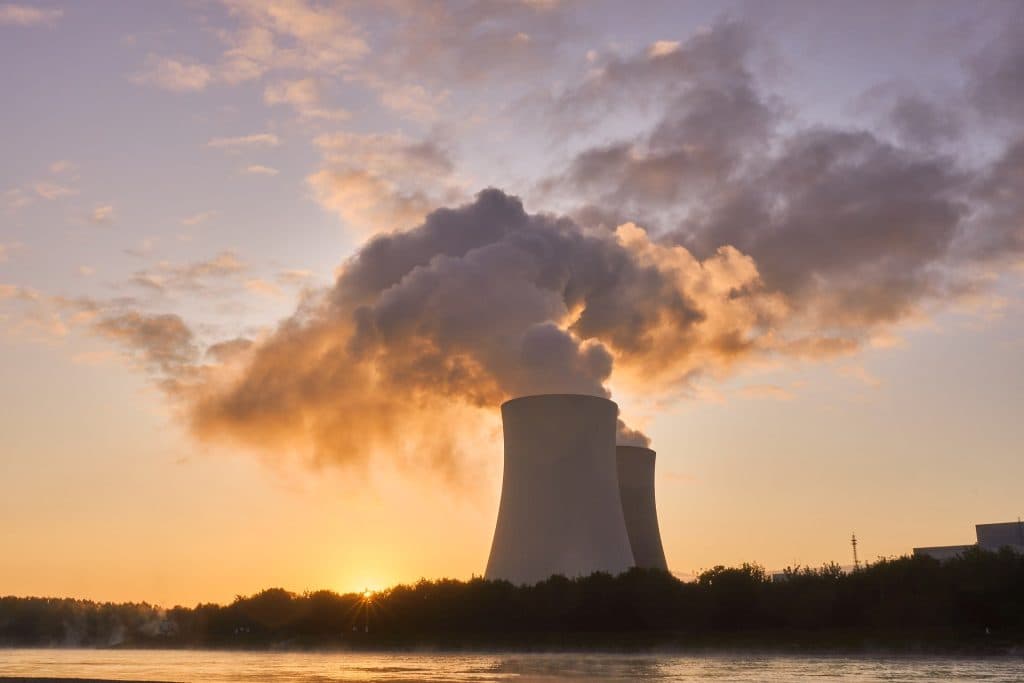
Kenya has been considering building its first nuclear power plant since 2009, with construction tentatively scheduled to start in 2027 and the plant potentially coming online no earlier than 2034. However, the project faces strong opposition, with critics pointing to both its environmental impact and technical and economic challenges, The Guardian reported.
The Kenyan nuclear power plant is planned for the coastal region of Kilifi, where there is plenty of ocean water available to cool the reactor. If built, Kenya will be the third African country to operate or build a nuclear power plant. The first is in operation in South Africa, where two 970 MW reactors are running; the second is currently under construction in Egypt, where four units of 1200 MW each are being built.
The Kenyan nuclear power plant is the responsibility of the Nuclear Power and Energy Agency (NuPEA). The plan is to build a 1000 MW unit, which would provide a low-carbon route to energy security. “At our current level of development, the renewable energy sources we have are sufficient, but as we pursue industrialisation, we need more baseload sources,” NuPEA director general Justus Wabuyabo said.
The estimated cost is nearly 3.5 billion euros (almost 85 billion crowns), although there are concerns in the country that the figure could rise further. The government nevertheless describes the project as essential, or a “gamechanger”, a view not shared by the opposition or residents of the affected area.
Residents point to the lack of appropriate consultation, which they would expect given the scale of the project. They say the process is rushed, unlawful and shrouded in secrecy. The opposition is represented in the country by the Kenya Anti-Nuclear Alliance (KANA).
“It is the worst economic decision we could have made for our country,”said Phyliss Omido, a Kenyan environmental activist with the organisation.
Further criticism of the “high-risk venture” has focused on environmental concerns. The Kilifi coast is an idyllic setting of white beaches, coral reefs and mangrove forests, making it a popular tourist destination. There are concerns not only about the biodiversity of local flora and fauna, but also about tourism. In addition to harming the environment, the nuclear power plant could destroy the livelihoods of residents who depend on tourism.
Finally, there are doubts about the technical feasibility of connecting the plant to the grid. Kenya, which incidentally generates about 90 % of its electricity from renewable energy sources, does not have a sufficiently stable grid or the capacity to distribute electricity from the coast throughout the country. Without a major grid upgrade, the nuclear power plant could lead to frequent power cuts.
Translation disclaimer
This article is a machine translation of the Czech original and has not yet been fully reviewed. In case of any doubt, please refer to the Czech version.