Smolensk nuclear power plant Unit 2 with RBMK-1000 reactor gets 5-year operating life extension

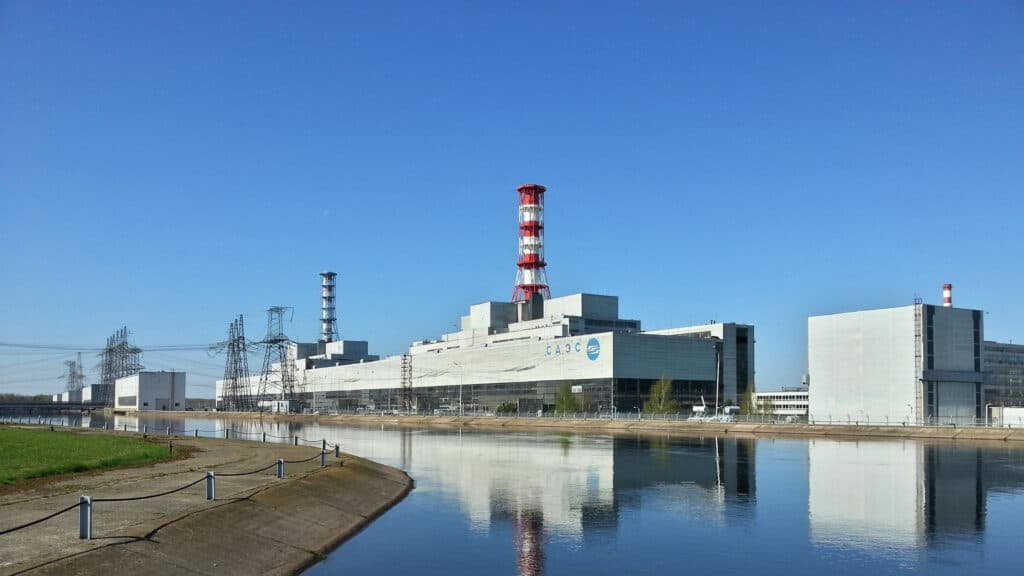
Russia’s nuclear regulator Rostekhnadzor has extended the operating licence for Unit 2 of the Smolensk nuclear power plant by a further five years. The operating life of the RBMK-1000 reactor is thus extended from the originally designed 30 years to a total of 45 years, through 2030.
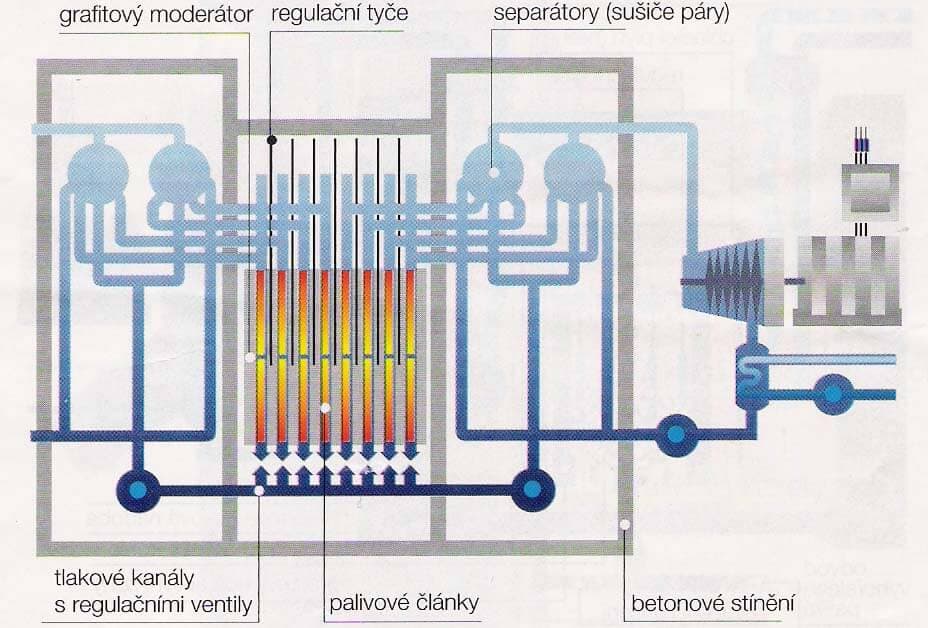
The RBMK-1000 reactor at Unit 2—of the same design as the reactors used at the Chernobyl nuclear power plant—entered commercial operation in 1985. The design originally envisaged a 30-year operating life. A major upgrade and subsequent approval by Rostekhnadzor enabled a further ten years of operation. The approved extension of the operating licence is now based on documented evidence that the unit’s non-replaceable structural components remain fit for service.
“Unit 2 operated in accordance with its original design for 30 years, followed by a further 10 years after a major upgrade under a licence from Rostekhnadzor. We have now received permission for another five years, which could mean the generation of approximately 35 billion kilowatt-hours of electricity and continued production of radioisotopes for industry and nuclear medicine,” said plant director Pavel Lubensky.
Upgrade process
The upgrade of Unit 2 began in 2006 and included a comprehensive assessment of the technical condition of the equipment, as well as the replacement and modernisation of components and systems as needed. The process also included verifying that staff were ready to operate the upgraded equipment.
Rostekhnadzor carried out inspections focusing on both the technical modifications and staff training and their ability to operate the modified equipment.
The future of electricity generation in the region
The Smolensk nuclear power plant operates three RBMK-1000 units and supplies approximately 75% of the region’s electricity consumption.
Under Russia’s energy plan, the existing units are to be replaced by the new Smolensk-II nuclear power plant, where two VVER-TOI units will be built. They are scheduled to enter service in the mid-2030s.
Translation disclaimer
This article is a machine translation of the Czech original and has not yet been fully reviewed. In case of any doubt, please refer to the Czech version.




