South Korea confirms need for new nuclear reactors

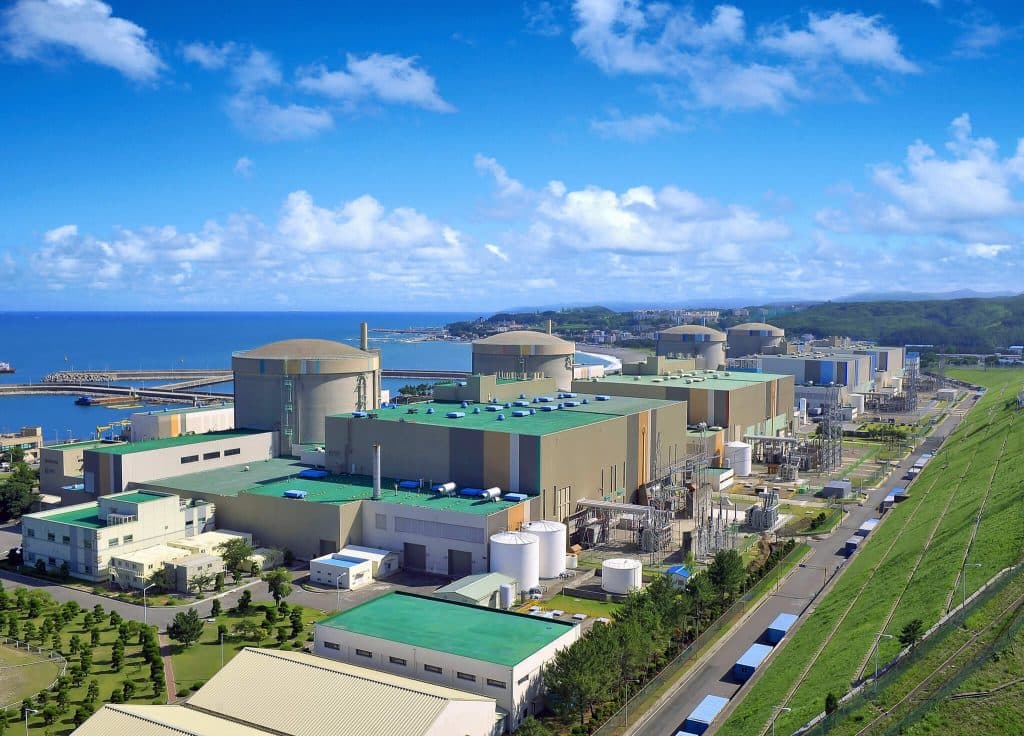
South Korea plans to build two new large nuclear reactors and small modular reactors (SMRs) with a total capacity of 700 MW by 2038. These plans complement the construction of large reactors that is already underway or in preparation. The decision is based on the latest 15-year energy plan, which has now been finalized.
The draft of the 11th energy plan for electricity generation and consumption was published in May last year. On 21 February 2025, the plan was approved by the National Assembly’s Energy Policy Review Committee. Updated every two years, the plan sets out a strategy for developing South Korea’s electricity generation capacity over the next 15 years, in this case from 2024 to 2038.
Growing consumption and the impact of zero-emission sources
According to the latest plan, electricity consumption in South Korea will grow at an average annual rate of 1.8 % between 2024 and 2038. By 2038, it is expected to have increased by more than 30 % compared with 2023.
The share of zero-emission sources in South Korea’s energy mix is expected to rise from approximately 40 % in 2023 to 70 % by 2038. Nuclear power generation is expected to reach 248.3 TWh in 2038, an increase of almost 38 % compared with 180.5 TWh in 2023. Nuclear power’s share of total electricity generation will therefore increase from 30.7 % to 35.2 %. South Korea currently operates 26 nuclear reactors on its territory.
Key nuclear projects and their installed capacity
The ministry said the plan provides for the smooth construction and continued operation of five nuclear units already planned:
- Shin Hanul 2 – entered commercial operation in April 2024,
- Saeul 3 and 4,
- Shin Hanul 3 and 4.
Together, these units will provide an installed capacity of 7 000 MWe.
To achieve the planned nuclear capacity, it will be necessary to build two more large reactors with a combined installed capacity of 2 800 MWe, along with a further 700 MWe of capacity in the form of small modular reactors (SMRs) by 2038.
SMRs: the technology of the future
According to the ministry, developing SMR technology is a key element of the plan. The ministry said that commercialization of South Korean SMRs is expected by 2035, provided several key steps are completed: “First, the development of technologies ensuring SMR safety must be completed. A license for design standardization must then be obtained, along with other necessary requirements. A key milestone will be obtaining a construction permit, which is planned for the early 2030s.”
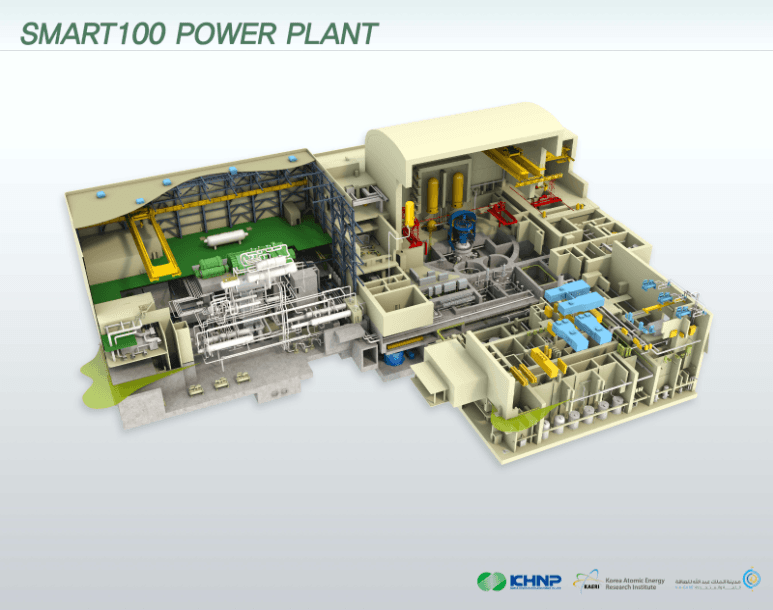
SMRs are an attractive solution for future electricity generation thanks to their modular design, shorter construction times and enhanced safety compared with traditional large reactors.
Political turbulence in South Korea
South Korea’s nuclear energy policy has undergone significant changes in recent years. Former president Yoon Suk-yeol sought to reverse the policy of his predecessor, Moon Jae-in, who pledged to gradually phase out nuclear power after taking office in 2017. This move followed the 2011 accident at Japan’s Fukushima Daiichi nuclear power plant.
In December 2024, South Korean President Yoon Suk-yeol declared martial law, leading to his impeachment by parliament and subsequent arrest in January 2025. After his impeachment, Choi Sang-mok took over as acting president, pledging to stabilize the situation in the country and maintain the existing foreign policy.
Despite the political turbulence, South Korea’s nuclear energy policy remains stable.
Translation disclaimer
This article is a machine translation of the Czech original and has not yet been fully reviewed. In case of any doubt, please refer to the Czech version.




