South Korea plans to build two new large nuclear units by 2038

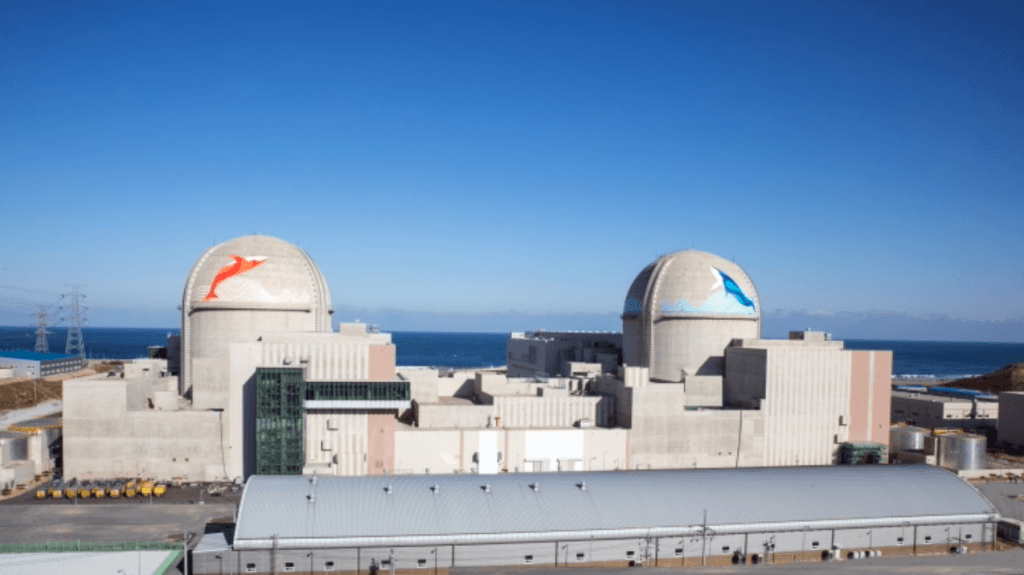
South Korea is still planning to build two large nuclear units by 2038. Climate, Energy and Environment Minister Kim Sung-hwan confirmed this, citing the 11th Basic Plan for Electricity Supply and Demand.
The Basic Plan for Electricity Supply and Demand sets out plans for developing the country’s domestic generation portfolio over a 15-year horizon and is updated every two years by the Ministry of Trade, Industry and Energy. The draft 11th Plan, covering the period 2024–2038, was published in May 2024 and subsequently submitted to a plenary session of the National Assembly on 19 February 2025. It was approved by the Energy Policy Review Committee on 21 February 2025.
The approved version includes plans to build two new large nuclear units with a total installed capacity of 2800 MWe, as well as small modular reactors (SMRs) with a combined capacity of 700 MW by 2038. These new capacities will complement large reactors already under construction or in preparation.
Confirmation of plans as the 12th Plan is prepared
At a press briefing on the forthcoming 12th Basic Plan (covering 2026–2040), Minister Kim said that construction of the two large reactors would proceed in line with the 11th Plan.
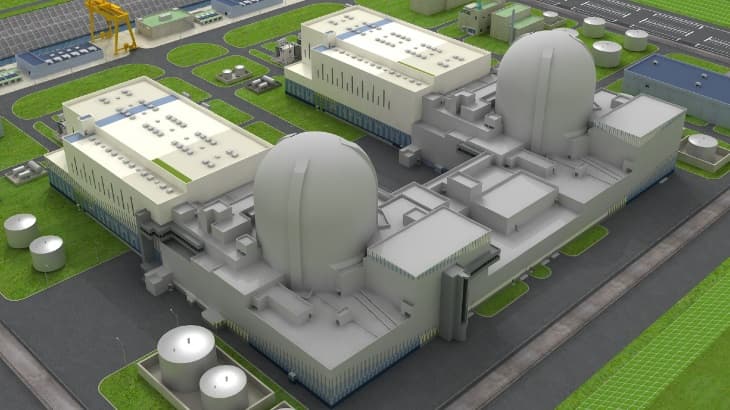
The ministry also reported that two political consultations on the planned construction of new reactor units took place (30 December 2025 and 7 January 2026), along with a public opinion poll (12–16 January 2026) conducted by two organisations.
According to the ministry, the results showed that renewables and nuclear power, in that order, are considered the most important sources for future development. More than 80% of respondents said nuclear power is needed, and more than 60% supported the plan to build new nuclear power plants included in the 11th Plan.
The role of nuclear and renewables: the need for grid flexibility
Minister Kim stressed that achieving climate targets requires cutting emissions in all sectors, with the power sector in particular needing to reduce generation from coal and liquefied natural gas (LNG). He therefore described managing the energy system around renewables and nuclear power as essential.
The ministry also said it wants to promote measures to manage the variability of renewable generation, particularly through energy storage systems (ESS) and pumped-storage hydropower plants. At the same time, it plans to address the “rigidity” of nuclear power plants by supporting flexible operation.
Demand forecast and energy mix through 2038
According to the 11th Plan, electricity consumption is expected to grow by an average of 1.8% a year between 2024 and 2038, reaching 129.3 GW in 2038, more than 30% above the 2023 level.
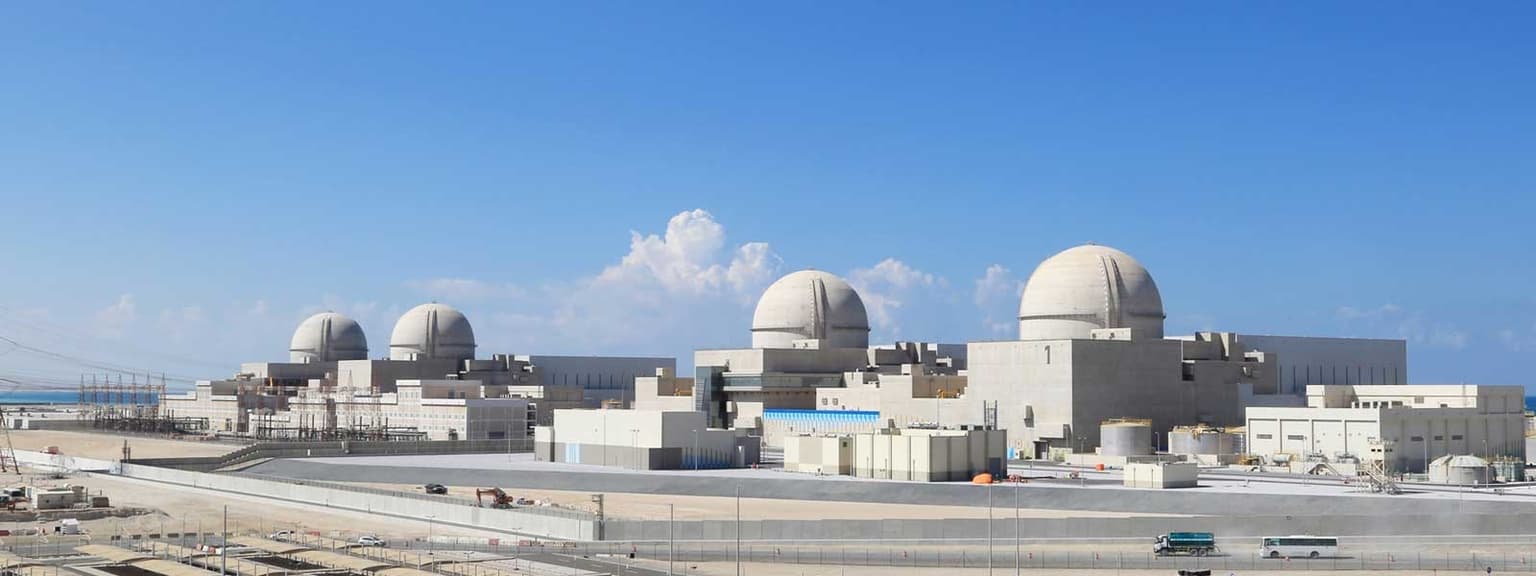
The share of zero-emission sources in the energy mix is expected to rise from around 40% (2023) to 70% (2038) over the same period. Nuclear power generation is expected to increase from 180.5 TWh in 2023 to 248.3 TWh in 2038, with nuclear’s share of electricity generation rising from 30.7% to 35.2%. The country currently has 26 operating reactors, which supply around one-third of national electricity production.
Timeline: site selection by 2027 and completion in 2037–2038
Under the current plan, Korea Hydro & Nuclear Power (KHNP) is to begin the site selection process for the two new units by 2027. This will be followed by an assessment and selection of a suitable site, expected to take around five to six months. The aim is to obtain construction permits in the early 2030s and complete the units in 2037–2038.
Future: pressure from the growth of AI and electric mobility
Minister Kim also said that the forthcoming 12th Plan will reflect expected growth in electricity consumption linked to the development of the artificial intelligence sector and the expansion of electric mobility. It will also include an energy mix policy aimed at achieving carbon neutrality by 2050.
Translation disclaimer
This article is a machine translation of the Czech original and has not yet been fully reviewed. In case of any doubt, please refer to the Czech version.




