Study outlines benefits of district heating using nuclear power

Nuclear energy is much cleaner and has a smaller environmental footprint over its life cycle than other energy sources for the Finnish and European district heating markets. This is according to a study by VTT Technical Research Centre of Finland.
According to the study, 60 million people in Europe have their homes heated during the winter. This heating is supplied by 3,500 local district heating networks. The heating sector is a significant source of CO2 emissions, which is why decarbonising the energy system requires a wide range of alternatives to fossil fuels, VTT says.
Study methodology and LDR-50 technology
The VTT study assessed the carbon footprint of heat supplied using the LDR-50 small modular reactor (SMR) technology, which Steady Energy, a spin-off company from VTT, is developing for district heating and low-temperature industrial applications. Other negative environmental impacts over the power plant’s life cycle were also assessed.
The study used the standard Life Cycle Analysis (LCA) methodology, which accounts for energy and material flows at different stages of the life cycle, along with associated emissions. Specific parameters for the LDR-50 technology were used to assess emissions from the fuel cycle. As the technology is still under development, estimates for construction and various stages of operation were based on conventional nuclear power plant technology.
Study results
Emissions from heating supplied by the LDR-50 modular reactor were estimated at 2.4 grams of CO2 per kilowatt-hour. This result was compared with other fuels commonly used for district heating, such as coal, natural gas and peat briquettes, as well as various biofuels.
Emissions were lowest for the nuclear option. The difference was significant, particularly compared with fossil fuels. For example, emissions from natural gas and hard coal were 282 gCO2/kWh and 515 gCO2/kWh, respectively. For biofuels, the figures ranged from 10 to 50 gCO2eq/kWh.
Benefits of nuclear heating
“More importantly, it has been demonstrated that the carbon footprint of nuclear district heating can be more than two orders of magnitude lower than that of fossil fuels,” VTT said. “Nuclear power also compared favourably with direct electric heating and heat pumps, even when the electricity came from low-carbon sources.”
The carbon footprint of these heating methods is largely determined by the specific emissions of the electricity source used in each process, VTT noted.
“To account for the electricity generation mix, average emissions in various European countries were included in the comparison. The carbon footprint of the nuclear option was comparable to heating with heat pumps in countries with a clean electricity mix, such as Sweden and France, and significantly lower than in countries with a large share of fossil fuels in their energy mix (e.g. Poland, the Czech Republic and Germany),” VTT says.
According to VTT, the study shows that nuclear energy could be a viable option for replacing fossil fuels in the heating sector. It has the greatest emissions-reduction potential in countries where energy production still relies heavily on coal and natural gas and district heating has a large market share. These include Estonia, Poland, the Czech Republic, Slovakia and Ukraine.
Other environmental impacts
In addition to greenhouse gas emissions, the negative environmental impacts of nuclear district heating and conventional heating fuels were assessed across 12 different categories.
“Nuclear district heating performed no worse than widely used conventional heating fuels in any of the categories assessed,” the study said.“In most cases, the negative environmental impacts were well below average. This is largely due to the very high energy density of uranium fuel. Although uranium mining and processing have a negative environmental impact, the overall impact per amount of heat produced remains small compared with alternatives.”
Development of LDR-50 technology
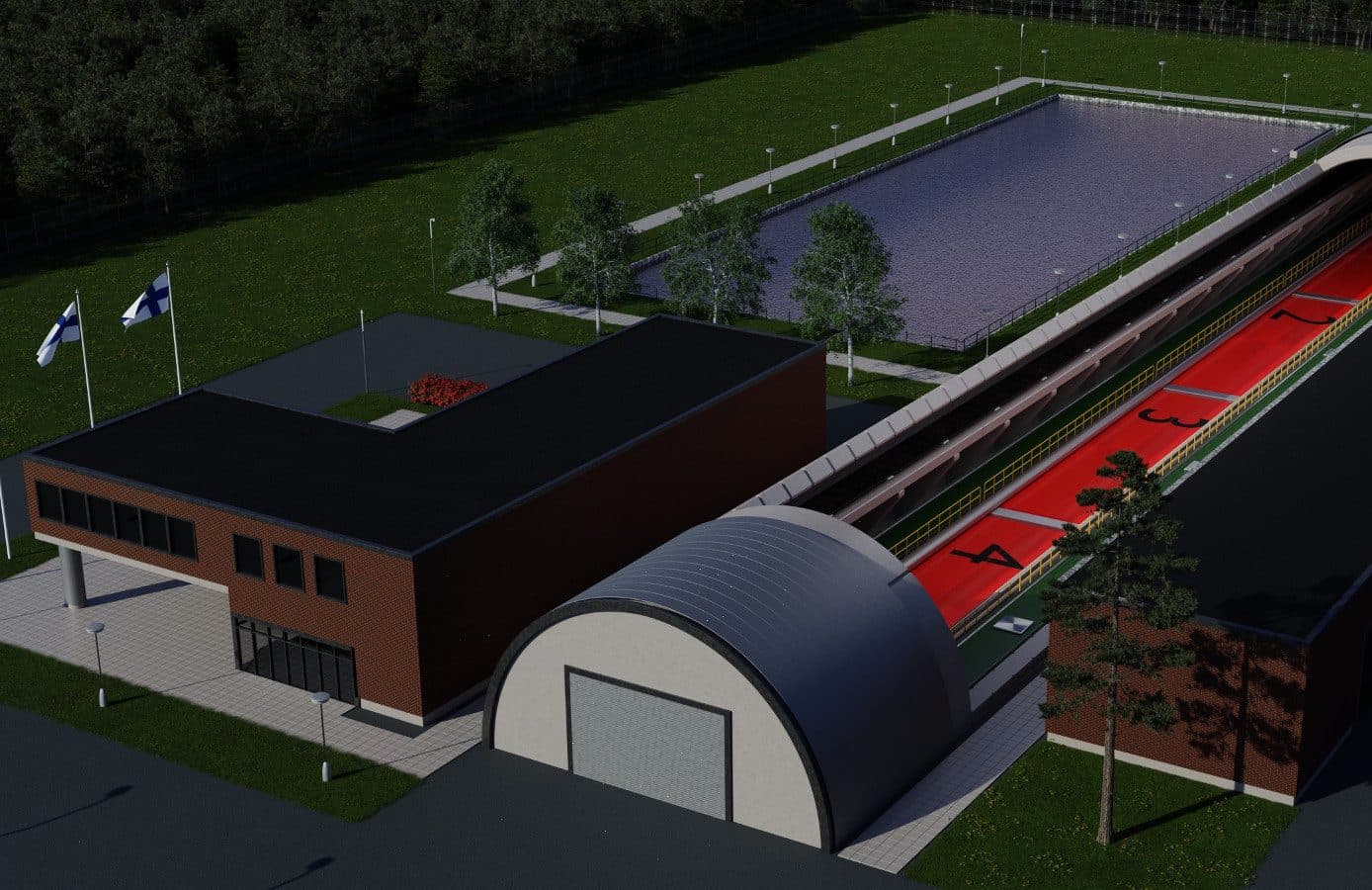
The LDR-50 is a type of small modular reactor (SMR) designed to produce heat for use in buildings or industry. The reactor has been under development by Finnish company Steady Energy since 2020. It has a thermal capacity of 50 MW. Its nominal temperature is 150 °C and its pressure is below 1 MPa. The reactor uses a system of two nested pressure vessels, with the gap between them partially filled with water. This system requires neither electricity nor moving mechanical parts, ensuring high reliability and inherent safety.

Steady Energy, which spun off from VTT Technical Research Centre of Finland in May 2023, expects that construction of the first LDR-50 reactor will begin by 2028, with the first unit expected to be operational by 2030.
Last month, Steady Energy said it would begin construction next year on its first LDR-50 pilot reactor in Finland. Potential sites include the Finnish capital, Helsinki, and two other cities.
Translation disclaimer
This article is a machine translation of the Czech original and has not yet been fully reviewed. In case of any doubt, please refer to the Czech version.