Sweden approves law on state support for new nuclear reactors

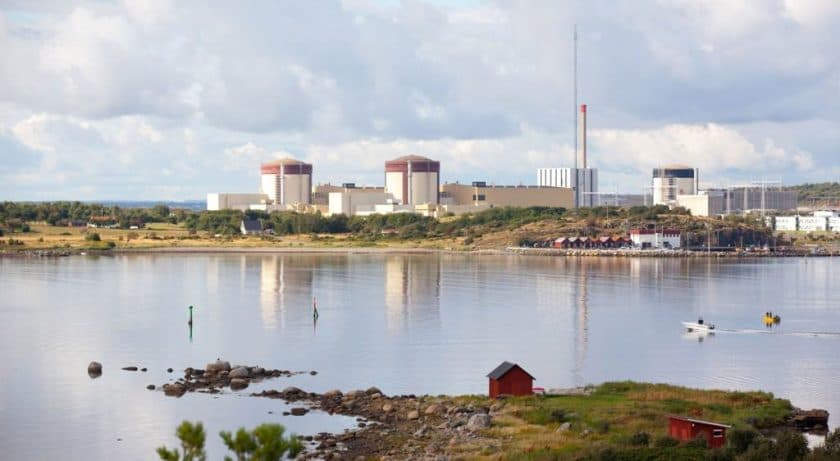
The Swedish Parliament (Riksdag) has approved the government’s proposal to provide state support to companies seeking to invest in the construction of new nuclear reactors. The new law, which will enter into force on 1 August this year, will allow the provision of state loans and the introduction of a Contracts for Difference (CfD) pricing mechanism.
The aim of this support is to reduce financing costs and encourage private investors to participate in the construction of new nuclear power plants. Loans will be limited to a total installed capacity equivalent to four large reactors, or around 5 000 MWe. To qualify for support, new reactors must be located at the same site and have a total installed capacity of at least 300 MWe.
A clear path to new capacity by 2045
Support for nuclear power is in line with the Swedish government’s energy strategy, which it presented in November 2023. The strategy envisages building new power plants with capacity equivalent to two large reactors by 2035 and up to ten new reactors by 2045.
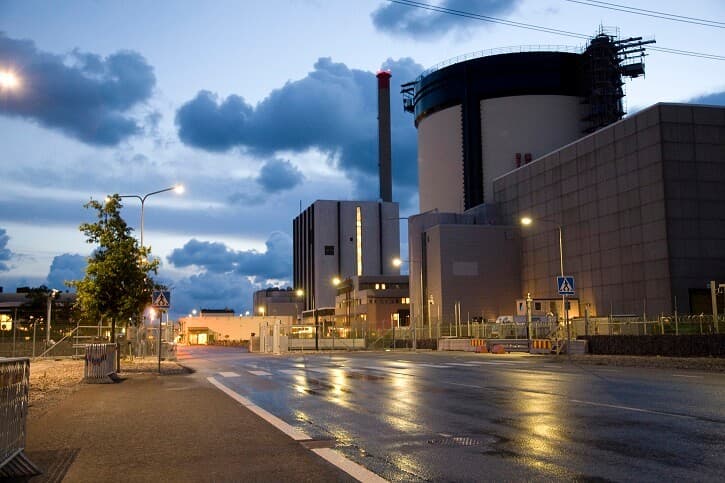
In December 2023, expert Mats Dillén was tasked with developing proposals for financing models and risk-sharing arrangements for the construction of new reactors. His report from the summer of that year found a mismatch between investors’ commercial interests and the broader benefits of new reactors to society. For this reason, he recommended state support as a rational tool for making investment more efficient.
Financing model: loans, CfDs and revenue guarantees
Dillén’s proposal includes three main elements:
- State loans to finance construction, reducing the cost of capital.
- A two-way CfD contract between the state and the producer, which offsets the difference between the market price and the reference price of electricity.
- A risk- and revenue-sharing mechanism that guarantees investors a minimum return on equity.
The main aim of this approach is to ensure that new nuclear power plants with a capacity of at least 2 500 MWe are in operation by 2035. This would not only strengthen Sweden’s energy security, but also contribute to decarbonisation and stabilise the energy market.
Translation disclaimer
This article is a machine translation of the Czech original and has not yet been fully reviewed. In case of any doubt, please refer to the Czech version.




