Swedish and Finnish reactors head beyond 60 years, but each country takes a different path

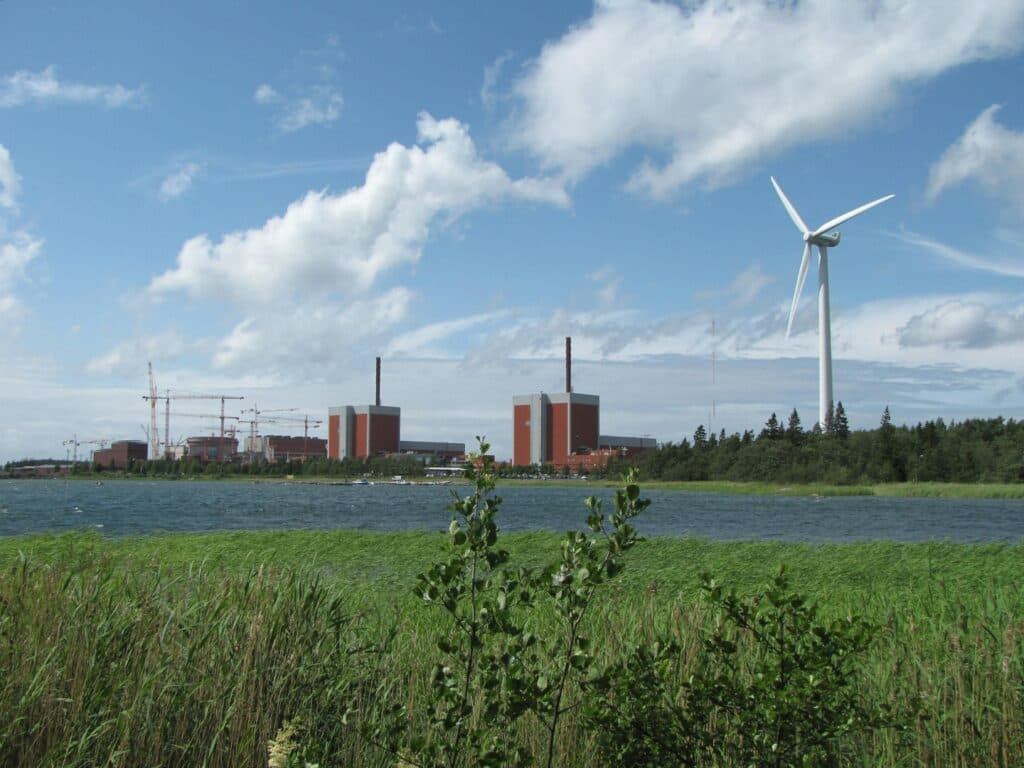
Across Europe, extending the operating life of nuclear power plants is becoming an increasingly common part of energy policy and operational practice. For units in good technical condition that are undergoing upgrades and continue to meet regulatory requirements, discussions are increasingly extending beyond 60 years of operation, potentially reaching 80 years.
Among the countries where these discussions are becoming more concrete is Sweden. Sixty years of operation is now considered the baseline horizon for the remaining nuclear units in operation, but discussions are looking further ahead. In June 2024, the owners of the Forsmark and Ringhals plants decided to assess the possibility of extending operation from 60 to 80 years. According to Vattenfall, this would require investments of 40 to 50 billion Swedish kronor, mainly to refurbish turbines, condensers, generators, and instrumentation and control systems.
Forsmark and Ringhals: 60 years of operation is becoming a reality
For Forsmark 1 and 2, long-term operation (LTO) is no longer just a general consideration but an operational reality. At the end of 2023, the International Atomic Energy Agency (IAEA) said that both units entered the long-term operation phase in 2020 and 2021 and that the operator had decided to run them for 60 years. It also noted that Sweden’s licensing framework does not set a fixed operating-life limit, instead relying on periodic safety reviews conducted at ten-year intervals.
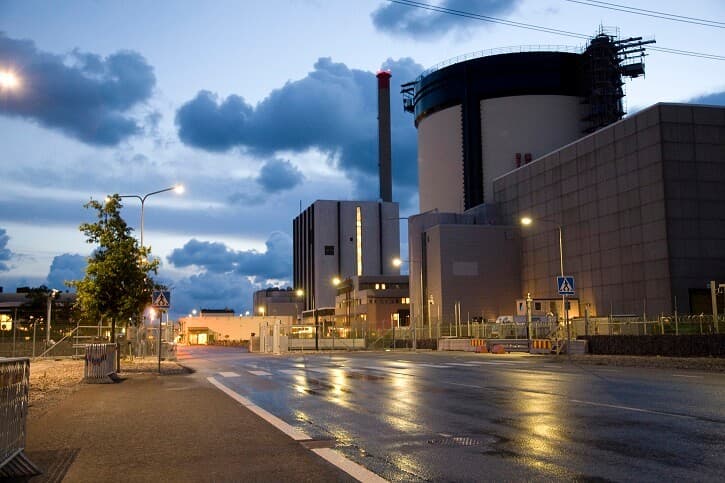
The situation at Forsmark 3 is similarly concrete. In October 2025, the Swedish regulator announced that it had found no obstacles to continued operation until the next systematic safety review, scheduled for 2033. It also said that, after the unit passed its originally designed 40-year operating life, equipment ageing analyses had been updated and now cover 60 years of reactor operation. Here, too, continued operation depends on ongoing verification of the equipment’s technical condition and compliance with regulatory requirements.
Oskarshamn 3: further operation is still under assessment
Oskarshamn 3 is also being considered for a further extension of its operating life. According to World Nuclear News, its current operating life is planned to run until 2045, but its owners estimate that the unit could continue generating electricity into the 2060s if it remains in suitable technical condition and meets further requirements. At this stage, the focus is on expanding analytical work and assessing further options, rather than making a final investment or licensing decision.
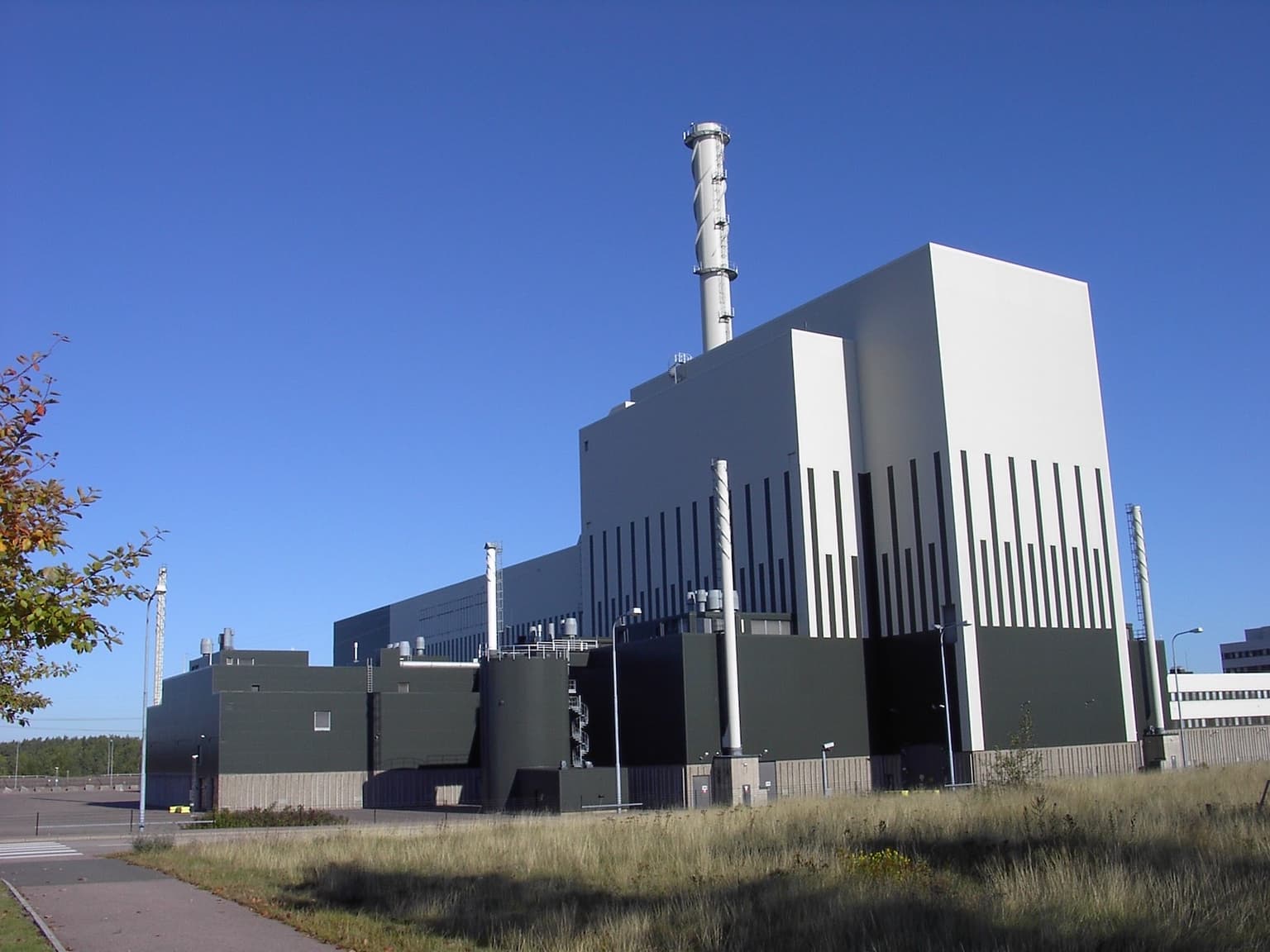
Loviisa: in Finland, extending operation beyond 60 years has taken concrete shape
In Finland, plans to go beyond 60 years are even more concrete than in Sweden. In February 2023, the Finnish government granted a new operating licence for Loviisa 1 and 2 (commissioned in 1977 and 1981) through the end of 2050. The decision was based in part on a positive assessment by the regulator STUK, which found that the operator had the appropriate resources, expertise, and equipment ageing management programmes to continue operating the plant.
This outlook is also underpinned by investment in equipment upgrades and refurbishment. Fortum said that over the previous five years it had invested approximately 300 million euros in the plant, with further investment related to continued operation and lifetime extension expected to reach around 1 billion euros by 2050. But 2050 may not be the final year of operation for these units.
Olkiluoto 1 and 2: 60 years of operation is the current baseline, and the next phase is already being prepared
The Finnish Olkiluoto 1 and 2 units have held operating licences valid until the end of 2038 since 2018. The government made its decision based on a favourable assessment by the regulator STUK and included a requirement in the licence conditions to carry out a periodic safety review by the end of 2028. The decision thus confirmed that continued reactor operation is treated in Finland as a standard part of the long-term use of existing nuclear assets.
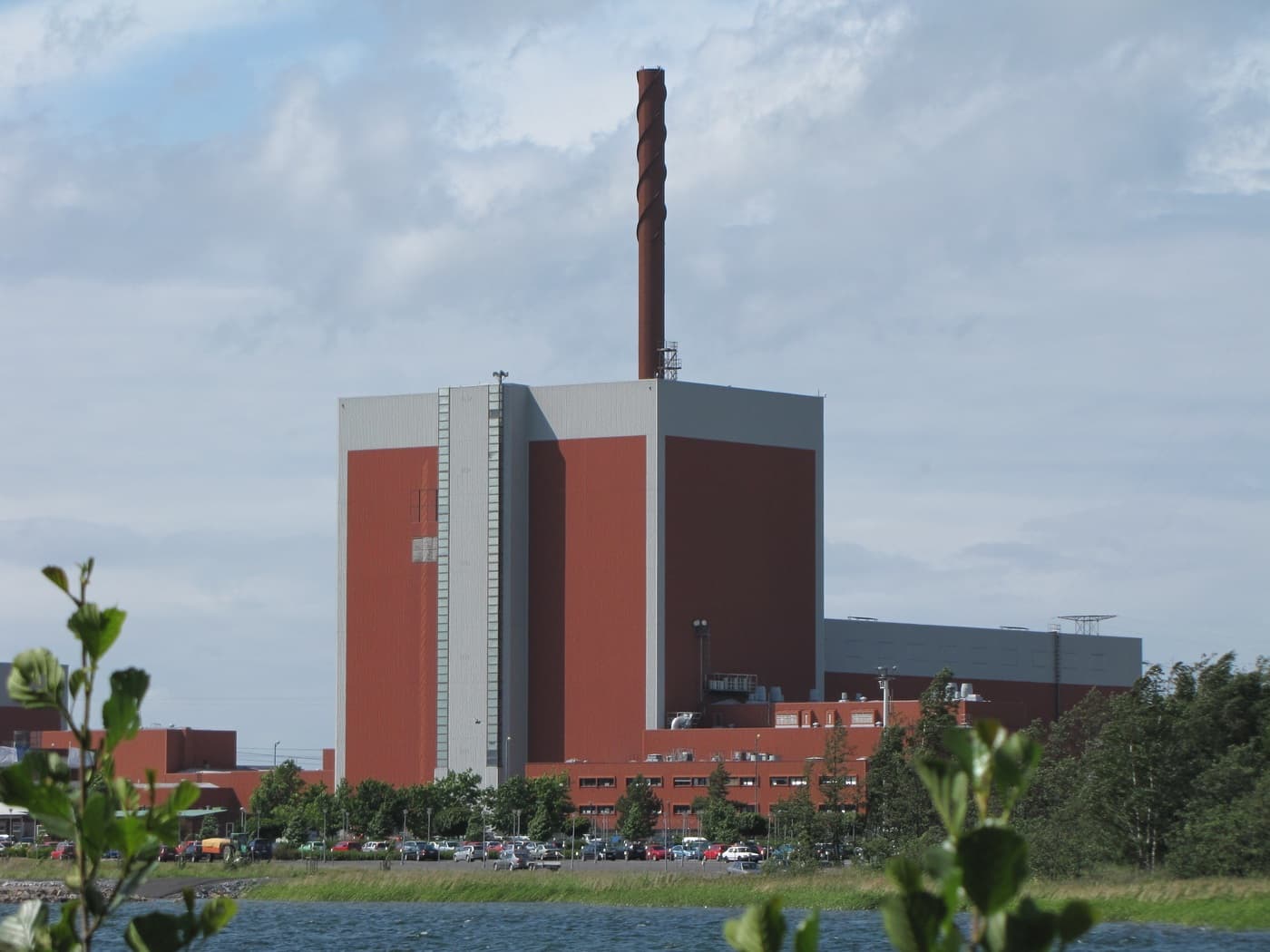
Plans for the next operating period are now building on this framework. Finland’s Ministry of Economic Affairs and Employment says the units were originally designed for a 40-year operating life, later extended to 60 years, which both units will reach in 2038. An environmental impact assessment (EIA) is now under way to assess the possibility of continued operation until 2048 or even 2058, as well as a potential 10% increase in thermal output. Continued operation after 2038 will still require a new operating licence.
Northern Europe thus confirms that when units are in suitable technical condition, are regularly upgraded, and meet regulatory requirements, long-term nuclear operation is becoming a natural part of energy strategy. While Sweden’s approach relies primarily on ongoing reviews, technical assessments, and follow-on reinvestment, Finland has already taken formal licensing steps to operate some of its nuclear fleet beyond 60 years.
Translation disclaimer
This article is a machine translation of the Czech original and has not yet been fully reviewed. In case of any doubt, please refer to the Czech version.