Taiwan nuclear referendum fails despite positive result due to low turnout

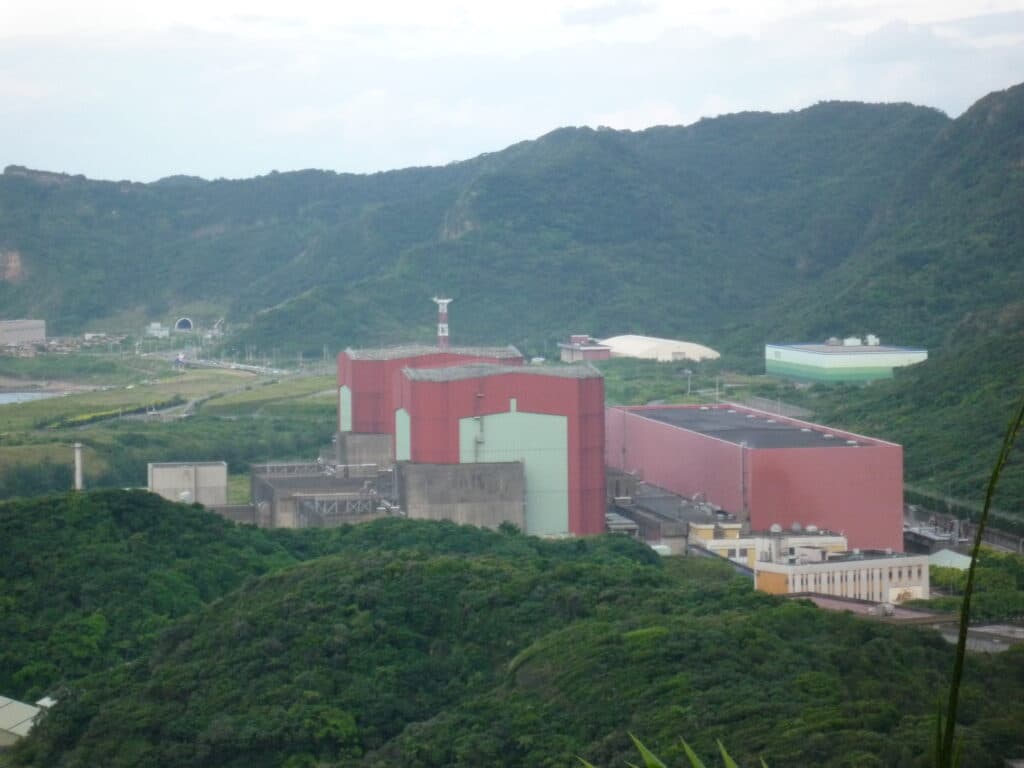
Taiwanese voters backed restarting the Maanshan Nuclear Power Plant in a referendum on 23 August. Although 74% of voters supported the proposal, overall turnout failed to reach the threshold set by law, meaning the result is not binding, according to the Central Election Commission (CEC).
Of around 20 million eligible voters, 5,906,370 people (just under 30%) took part in the vote. The commission recorded a total of 4.34 million votes in favour, while 1.51 million voters opposed the proposal. For a referendum result to be valid, a majority of votes must be in favour and at least a quarter of all eligible voters must vote for the proposal. This requirement was not met in this case.
The Maanshan Nuclear Power Plant in the south of the island was Taiwan’s last operating nuclear power plant. Its second unit, which still accounted for around 3% of electricity generation in May this year, was disconnected from the grid on 17 May after its 40-year operating licence expired. Under the current government policy of gradually phasing out nuclear power plants, it is due to be decommissioned.
Political context and the government’s position
President Lai Ching-te said the result reflected the will of the people and must be respected. He stressed that nuclear safety is not only a technical issue but also a social one, requiring scientific assessment that cannot be resolved by a single referendum.
An amendment to the Nuclear Safety Control Act passed in May 2024 does not stipulate that restarting reactors requires meeting two new conditions. However, it provides that, as part of the safety assessment, the Nuclear Safety Commission must establish a methodology and the operator, Taipower, must carry out independent reviews in accordance with it.
Lai added that the government would adhere to three principles: ensuring nuclear safety, properly managing radioactive waste and building social consensus.
He did not rule out the future deployment of advanced nuclear technologies, provided they were safer, produced less waste and gained broader public support.
The path to a “nuclear-free” Taiwan
The Democratic Progressive Party (DPP), which has been in power since 2016, is pursuing a policy of “nuclear-free Taiwan” by 2025. All units were to be shut down when their 40-year licences expired. Shortly after the government took office, an amendment to the Electricity Act was passed, enshrining this policy in law.
In 2018, however, voters repealed the amendment in a separate referendum. Nevertheless, then Minister of Economic Affairs Shen Jong-chin confirmed in 2019 that the reactors would neither have their operating licences extended nor be restarted, citing both technical reasons and strong opposition from part of the public.
Translation disclaimer
This article is a machine translation of the Czech original and has not yet been fully reviewed. In case of any doubt, please refer to the Czech version.




