Taiwan opens debate on return to nuclear power, Taipower seeks restart of Maanshan nuclear power plant

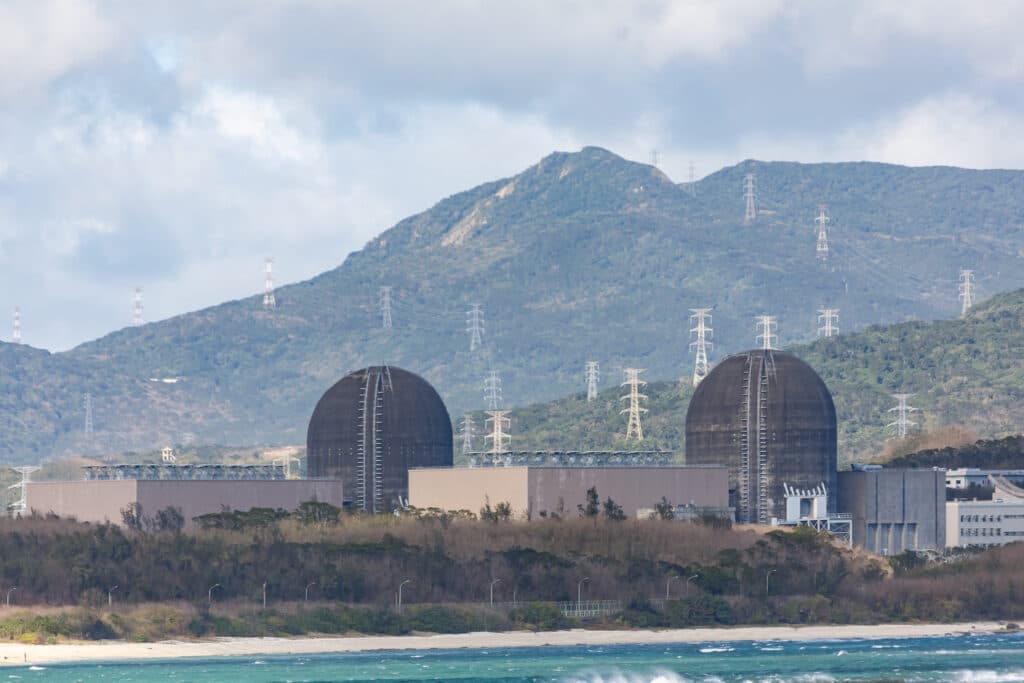
Taiwanese utility Taipower formally submitted documentation to the country’s nuclear regulator, the Nuclear Safety Commission (NSC), on 27 March 2026 for the resumption of operations at the Maanshan nuclear power plant in Pingtung County. This is the first concrete step towards a possible restart of Taiwan’s last shut-down nuclear power plant, following the completion last year of the country’s planned phaseout of nuclear power.
Maanshan had two units, whose operations ended after their original 40-year operating licences expired. Unit 1 was shut down on 27 July 2024, followed by Unit 2 on 17 May 2025. With this step, Taiwan lost its last operating nuclear power source.
Five areas covered by the nuclear plant restart plan
According to Taipower, the submitted plan is divided into five main areas:
- a description of the facility’s current status and a timetable for the next steps,
- staffing and training,
- an overview of the work required to return the facility to service and carry out regular maintenance,
- a plan for regulatory activities during operation,
- a quality assurance and audit system.
The regulator will first conduct a formal check that the submitted documentation is complete. It will then begin a substantive technical review, for which the NSC will establish a special assessment team comprising its own staff, external experts and representatives from academia.
Approval of the plan alone would not mean the plant can restart
According to Taipower, even approval of the submitted plan would not mean an immediate resumption of operations at the plant. Before the plant could potentially return to service, independent safety inspections would still need to be carried out, followed by the submission of a final report to the regulator. According to the company, these activities are expected to take approximately 18 to 24 months. Only after they are completed and a new operating licence is issued could the plant resume operations.
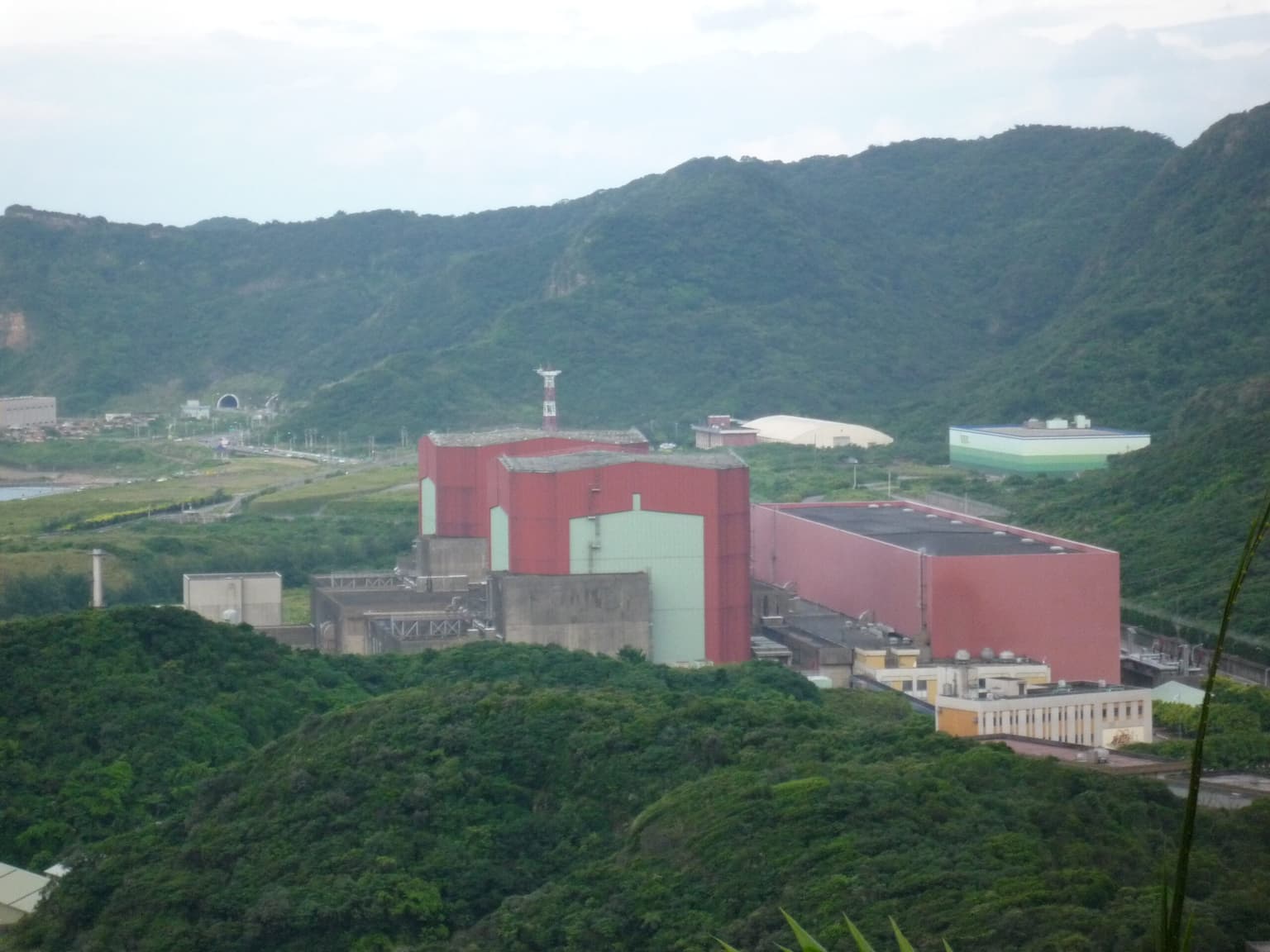
The regulator’s requirements are also expected to include documents on long-term operation assessment and facility ageing management, as well as verification of radiation safety and seismic resistance. In addition to the administrative review, the process will therefore involve a comprehensive technical demonstration that the facility is ready for a possible return to service.
Law change opens the way to extending operations to 60 years
A change in legislation was key to Taipower’s latest move. In May 2025, Taiwan’s parliament approved an amendment to the Nuclear Reactor Facilities Regulation Act, which now allows an operating licence to be extended by a further 20 years beyond the previous 40-year limit. The amendment thus effectively opened the way to extending the operating life of nuclear units to 60 years.
Taiwan reconsiders its nuclear phaseout
The latest developments are also significant from a political perspective. After taking power in 2016, the Democratic Progressive Party pursued a goal of ending the use of nuclear power in the energy mix by 2025. Individual units were to be shut down when their 40-year operating licences expired. This approach was subsequently reflected in legislation governing the electricity sector.
However, public and political attitudes gradually changed in the following years. In a November 2018 referendum, voters backed the repeal of a provision requiring an end to electricity generation from nuclear power plants by 2025. Even so, the government did not subsequently extend the operation of shut-down units or prepare for their restart. Only the amendment approved in May 2025 re-established a legal framework for such a move.
Energy security brings nuclear power back into the debate
Debate over the possible return of nuclear power in Taiwan is intensifying, in part because of energy security concerns, rising electricity consumption and the island’s heavy reliance on fuel imports. These factors are helping to reopen an issue that was considered politically settled just a year ago. The case of the Maanshan plant could therefore be an important test of whether Taiwan’s energy policy is genuinely beginning to shift away from its previous course of phasing out nuclear power.
Translation disclaimer
This article is a machine translation of the Czech original and has not yet been fully reviewed. In case of any doubt, please refer to the Czech version.