3 October 2026, 13:01
Loading...
Temelín in Czechia aims to save water: treatment plant upgrade expected to deliver further savings

oEnergetice.cz, ČTK
21 July 2026, 10:24
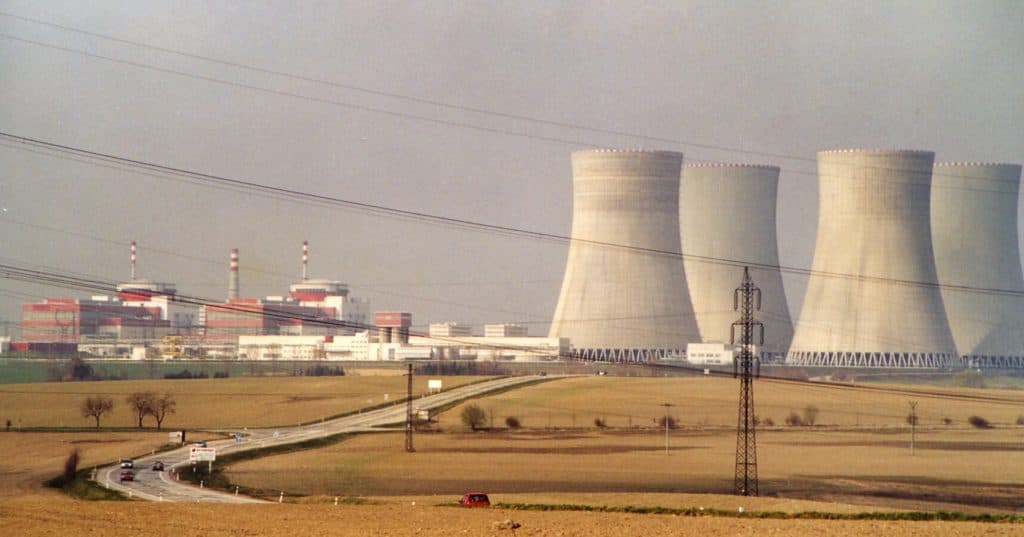
The Temelín Nuclear Power Plant in the České Budějovice region is seeking to reduce its water consumption. Last year, it used 2,476 cubic metres of water to generate one megawatt-hour (MWh) of electricity. This was two percent below the long-term average. Further savings are expected from an upgrade to the cooling water treatment plant, which plant staff will complete next year, plant spokesperson Marek Sviták told reporters today.
Water is used at the nuclear power plant to cool technological circuits; electricity generation would not be possible without it. “Water and nuclear power are inseparable. But our goal is to use this valuable natural resource as responsibly as possible,” said Bohdan Zronek, a member of ČEZ’s board and director of its nuclear energy division.
Temelín’s long-term average raw water intake has stood at 2,518 cubic metres per MWh generated since 2004. “We expect further savings of a few percent once the extensive upgrade of the Cooling Water Treatment Plant is completed in 2027,” said plant director Petr Měšťan.
A large share of the water from Temelín is returned to the Vltava after treatment via the Kořensko II small hydropower plant, through which approximately 11 million cubic metres of water flow each year. Thanks to a height difference of more than 130 metres between the nuclear power plant and the riverbed, it supplied 2.47 gigawatt-hours of electricity to the grid last year.
Since the beginning of this year, Temelín has generated 8.9 terawatt-hours of electricity. ČEZ is investing 3.8 billion crowns in upgrading the plant this year, 700 million crowns more than last year.
Translation disclaimer
This article is a machine translation of the Czech original and has not yet been fully reviewed. In case of any doubt, please refer to the Czech version.
Sdílejte článek prostřednictvím:
You might also like
3 October 2026, 07:43

2 October 2026, 21:55
2 October 2026, 15:14