US plans to relax radiation protection rules to speed reactor construction

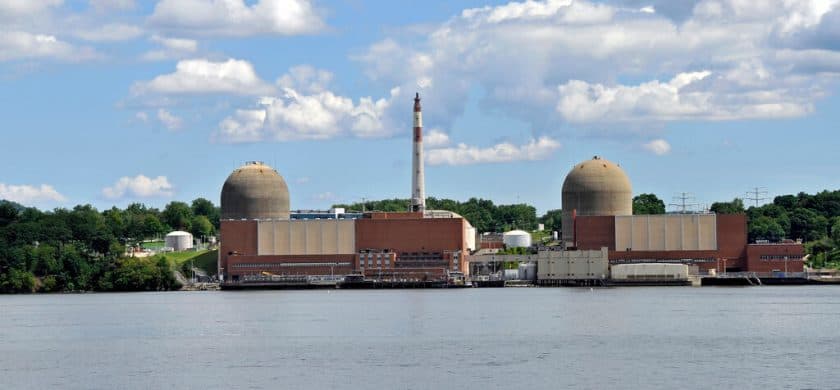
The US nuclear regulator (NRC) has proposed a major overhaul of radiation protection rules. It is the most significant legislative change in the sector in decades. The measures, backed by President Donald Trump’s administration, aim to reduce the administrative burden, cut operating costs and speed up approval processes for new nuclear reactors.
The proposal’s key element is the complete abolition of the long-standing standard known by the acronym ALARA (from the English As Low as Reasonably Achievable). The principle has required nuclear facility operators to minimise radiation exposure for workers and the public, even when exposure was already well below legal limits.
Nuclear industry representatives say the term “reasonably achievable” was too subjective, leading to ever-stricter requirements, longer approval periods and enormous cost increases. The NRC wants to replace the ALARA standard with a system of fixed, objective dose limits combined with tiered risk management based on specific operating conditions.
NRC Chair Ho Nieh said, according to Reuters, that the agency is simply removing unnecessary bureaucratic uncertainty and that the radiation safety limits themselves remain unchanged. The change is intended to give investors clear, predictable criteria during the design and construction of new units.
Plans to quadruple nuclear capacity
The move directly follows executive orders issued in 2025, in which Trump directed the NRC to reform and streamline permitting processes. The government’s strategy aims to quadruple installed nuclear capacity in the US by 2050. The reason is rapidly rising electricity consumption, driven above all by the expansion of data centres.
Translation disclaimer
This article is a machine translation of the Czech original and has not yet been fully reviewed. In case of any doubt, please refer to the Czech version.