4 October 2026, 21:07
Loading...
Vietnam signs deal with Russia to build its first nuclear units

Eduard Majling
26 March 2026, 13:36
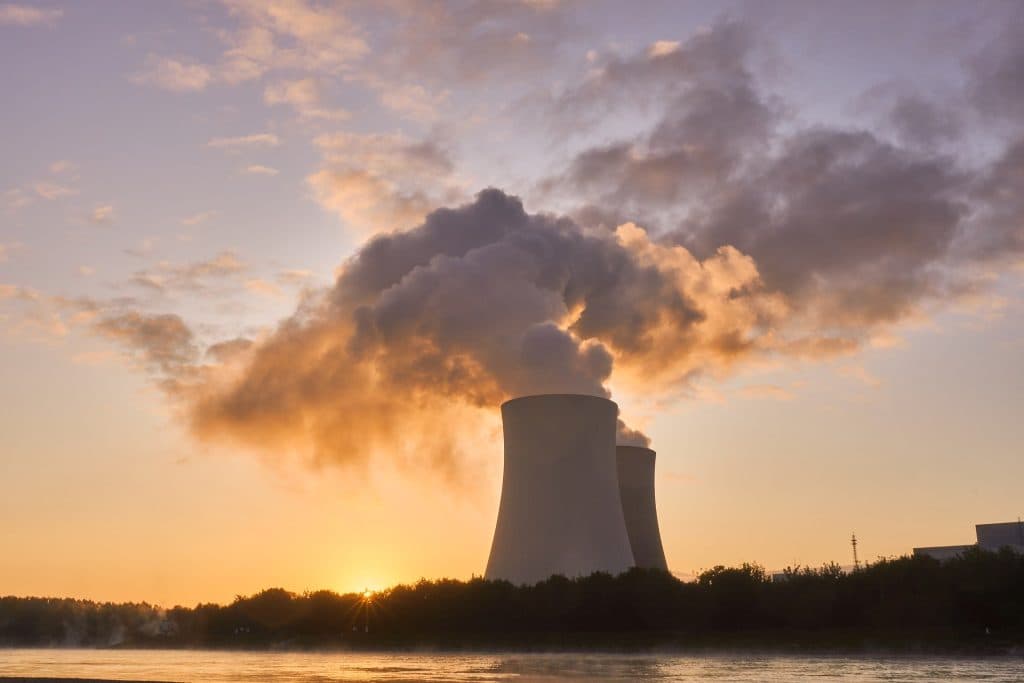
Representatives of Vietnam and Russia signed a new intergovernmental agreement at the start of the week, paving the way for the construction of two VVER-1200 nuclear units. The countries had reached a preliminary agreement to build the new units back in 2009, but the project was halted 10 years ago. The government later reassessed its nuclear energy ambitions, reopening the way for the project.
Vietnam’s plans to develop nuclear energy date back to the second half of the 20th century, but the country has yet to build any nuclear power capacity. Vietnam came closest to starting construction of its first nuclear units less than two decades ago, after agreeing with Russia to build two VVER-1200 units at the Ninh Thuan site. Preparatory work had even begun by the end of 2011, but in 2016 the Vietnamese government suspended the project over concerns about its economics.
Less than 10 years later, however, the government changed course and decided to revive its nuclear ambitions. In November 2024, the government voted to restart the Ninh Thuan nuclear project, according to World Nuclear News. The project is expected to include the construction of two power plants, each with two generating units. Russia’s Rosatom was responsible for Ninh Thuan 1 from the outset, while Japanese companies were to build the second plant. In December 2024, however, Japan withdrew from the project, according to Reuters.
Work on the Ninh Thuan 1 power plant project is continuing, with the latest development being the conclusion of a new intergovernmental agreement between Vietnam and Russia’s Rosatom. According to Rosatom, the agreement should enable the construction of two nuclear units with a total installed capacity of 2.4 GW. The commissioning date for the new units remains uncertain. Last February, Vietnam’s prime minister set a target of completing construction by 2030, but no timeline was announced when the agreement was signed at the start of this week. No information on the cost of the new units has been released either.
Translation disclaimer
This article is a machine translation of the Czech original and has not yet been fully reviewed. In case of any doubt, please refer to the Czech version.
Sdílejte článek prostřednictvím:
You might also like

3 October 2026, 13:01
3 October 2026, 07:43
2 October 2026, 21:55