Vietnam's nuclear power plans: KEPCO in talks over Ninh Thuan 2

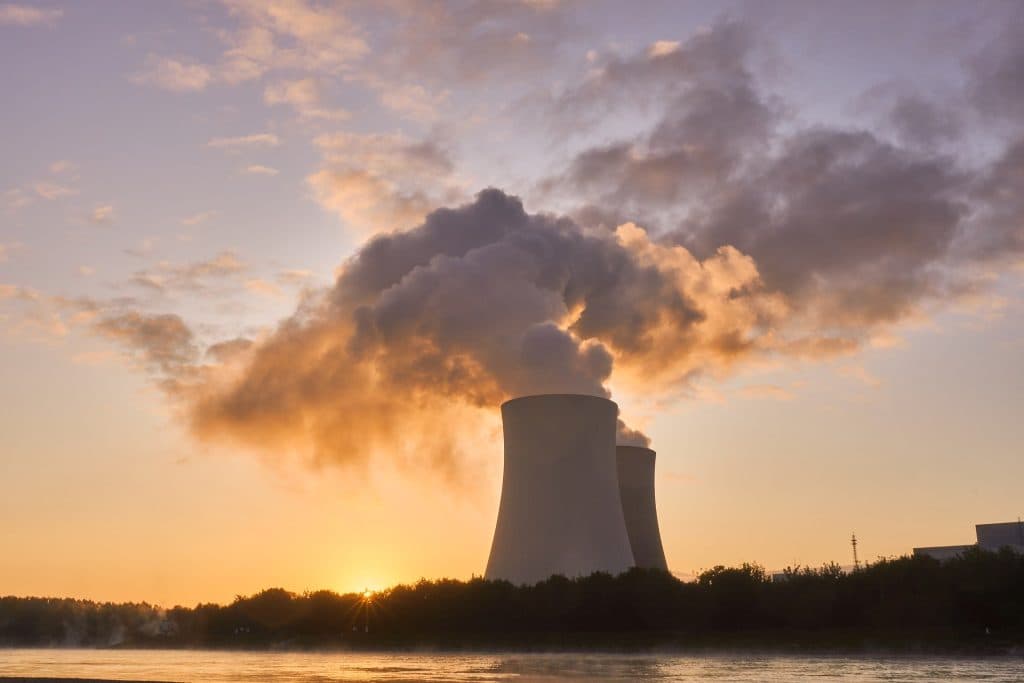
Vietnam is continuing to revive its plans to develop nuclear power. After deciding to entrust one of its planned projects to Russia's Rosatom, it is now looking for a foreign partner for a second plant, Ninh Thuan 2. South Korea's Korea Electric Power Corporation (KEPCO) is once again in the spotlight: its president, Kim Dong-cheol, met Le Manh Cuong, head of Vietnamese state-owned energy company Petrovietnam, in Seoul this week. The news was reported by Reuters.
The talks focused mainly on further cooperation in the nuclear sector, the exchange of technical expertise, and investment and financing opportunities for future projects. KEPCO is one of the potential partners for the Ninh Thuan 2 project, which is being managed by Petrovietnam. The Korean side can point to memoranda signed by the two countries in the recent past.
Preparations for the project are meanwhile continuing. According to Petrovietnam, approximately 97.5% of the land needed for its implementation has already been cleared, and the remaining work is expected to be completed soon. The plant itself is part of Vietnam's broader return to nuclear power plans, which the country sees as a way to secure a stable source of electricity for its rapidly growing economy.
Vietnam had already planned to develop nuclear power more than a decade ago. Specific projects were prepared after 2010, but in 2016 the government suspended their implementation over concerns about the economic burden. Hanoi decided to revive its nuclear program only in 2024.
For Ninh Thuan 1, the country is already counting on Russia's Rosatom. Vietnam and Russia recently signed a new intergovernmental agreement intended to enable the construction of two VVER-1200 units with a total installed capacity of 2.4 GW. However, no specific commissioning date or estimated cost for the units has been announced yet. Last year's target of completing the project by 2030 therefore remains uncertain.
As for the second project, Vietnam initially expected Japan to take part, but Japan withdrew because the timeframe for its implementation was too short. Hanoi therefore began looking for new partners, and alongside South Korea, French and US industry has also expressed interest in nuclear projects in the country.
After years of putting its nuclear program on hold, Vietnam is gradually bringing individual projects back to the table. While Russia is leading the way on Ninh Thuan 1, the field remains open for the second project, and KEPCO is now among the most serious contenders.
Translation disclaimer
This article is a machine translation of the Czech original and has not yet been fully reviewed. In case of any doubt, please refer to the Czech version.