3 October 2026, 13:01
Loading...
AFP: Strait of Hormuz traffic has not improved; only four ships passed through today

oEnergetice.cz, ČTK
16 June 2026, 21:37
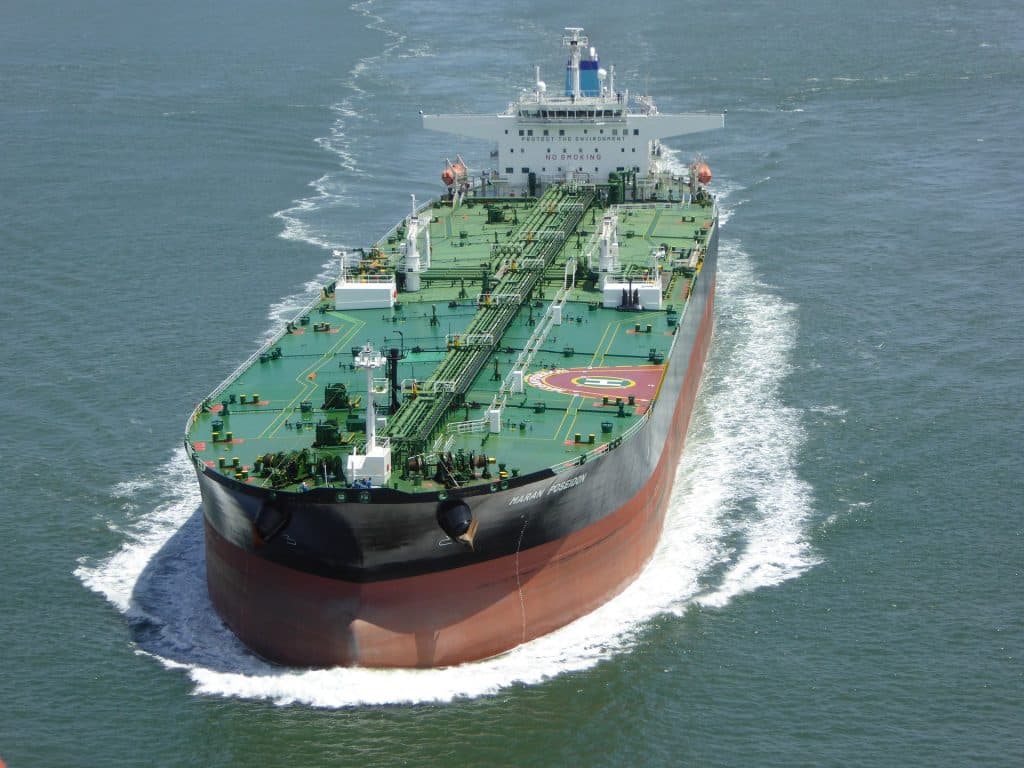
Traffic through the Strait of Hormuz had not improved even two days after the announcement of the US-Iranian agreement, AFP reports, citing maritime tracking platform Kpler. According to the platform, only four ships passed through the Strait of Hormuz today, roughly the same number as last week. The agreement, electronically signed on Sunday, is expected to allow the reopening of this route, which is strategically important for oil transport; its official signing is expected on Friday.
However, US President Donald Trump said on Monday that ships stranded there because of the blockade imposed by Tehran after the US-Israeli attacks of February 28 were beginning to leave the Strait of Hormuz. The attacks began the war, during which the US then began blockading Iranian ports in mid-April.
Today, the Iranian government said that the US blockade of Iranian ports had been lifted ahead of the official signing of the agreement planned for Friday, AFP reports.
As of 17:00 CEST today, Kpler had recorded only four cargo ships passing through the Strait of Hormuz, compared with five on Monday. That is roughly the same number as last week. AFP wrote that all ships recorded since the announcement of the US-Iranian agreement had passed through the strait with their transponders switched on. Other ships may have passed through without activating this device, which continuously transmits data about a vessel, including its movements, the agency said.
According to AFP, the Iranian oil tanker Diona, part of Iran’s shadow fleet, also had its transponder switched on today for the first time in almost two months. The Kpler platform says the tanker also passed through the strait in April during the US blockade of Iranian ports, with its transponder switched off.
The war has crippled shipping in the Strait of Hormuz, through which around a fifth of the world’s oil supplies passed until then. Analysts warn that even after it reopens, it will take some time for oil deliveries through the strait to return to previous levels.
The US newspaper The Wall Street Journal (WSJ) wrote today, citing its sources, that the United States will allow Iran to sell oil immediately after the agreement is signed this Friday. A senior US official said on Tuesday, however, that the permanent lifting of US sanctions on oil sales would depend on whether Tehran meets Washington’s demands, including those concerning the reopening of the Strait of Hormuz and Iran’s nuclear programme. Tehran will also not gain immediate access to its billions of dollars frozen abroad, according to the WSJ.
Translation disclaimer
This article is a machine translation of the Czech original and has not yet been fully reviewed. In case of any doubt, please refer to the Czech version.
Sdílejte článek prostřednictvím:
You might also like
3 October 2026, 07:43
2 October 2026, 21:55
2 October 2026, 15:14