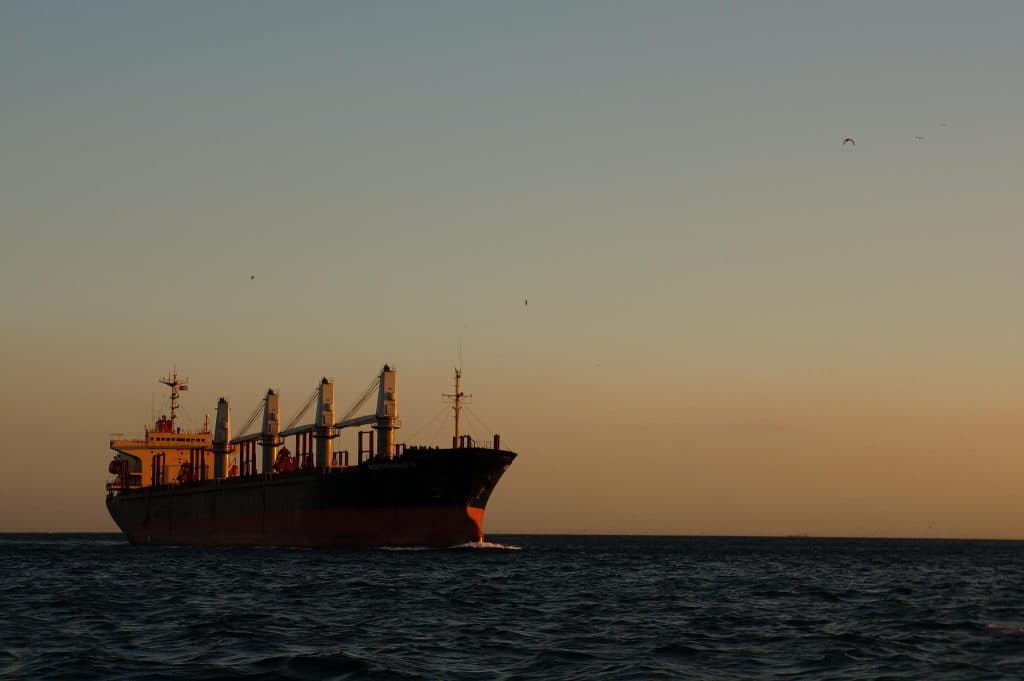
Brent tops $100 a barrel as conflict in the region continues to escalate


The price of North Sea Brent crude today exceeded $100 a barrel for the first time since 24 July. This comes after attacks between the United States and Iran, along with increased oil purchases in China, pushed up the price of this global benchmark, Bloomberg reported. The Americans destroyed four Iranian tankers in the Gulf of Oman, while a fifth vessel was hit near Kharg Island, US Central Command (CENTCOM) said.
Shortly before 9:30 CEST, Brent was up around 2.3 percent at above $100.10 a barrel. US light crude West Texas Intermediate (WTI) was gaining roughly 1.8 percent to around $94.70 a barrel.
"The most likely scenario is strong and sustained price growth as the war enters its seventh month," said commodities trader Darrell Fletcher of Bannockburn Capital Markets.
"The fundamental outlook for commodities remains optimistic, while the state of global inventories and reserves is deteriorating. In line with the usual pattern, the United States and Iran continue to exchange retaliatory strikes and warnings," he added.
Brent crude has risen by more than 60 percent since the start of the year. Prices of refined products such as diesel have climbed even more sharply. The conflict in the Middle East has spread to the Red Sea near Saudi Arabia.
Iran attacked a US base in the northern Jordanian city of Azraq with ballistic missiles. The attack was retaliation for previous US strikes on Iranian tankers. Jordan confirmed the attacks. Iran's Revolutionary Guards also said they had newly attacked two US ships, eight oil tankers and another ten vessels.
Jordanian air defences neutralised 18 of the 20 Iranian missiles fired. The remaining two missiles landed in remote uninhabited areas, the state news agency said, citing the Jordanian military. The US military reported that on Tuesday it destroyed five Iranian oil tankers in the Persian Gulf and the Gulf of Oman in retaliation for earlier Iranian attacks that struck a US military vessel.
According to preliminary shipping data, six cargo ships carrying commodities passed through the Strait of Hormuz on Tuesday, Reuters reported. That was fewer than the nine vessels recorded a day earlier and significantly below the ten-day average of around 12 vessels a day.
The war in the region began with US-Israeli strikes on Iran at the end of February. In response, Tehran significantly curtailed maritime traffic in the Strait of Hormuz, both through threats and repeated attacks on tankers and cargo vessels. The United States launched a naval blockade of Iran in April. At various stages of the conflict, both countries repeatedly took military action against vessels that did not comply with their blockades.
Oil prices in dollars per barrel (approximately 159 litres)
| EXCHANGE | TYPE | CONTRACT | CURRENT PRICE | PREVIOUS CLOSE |
| London - ICE | Brent | November | 100,14 | 97,92 |
| New York - NYMEX | WTI | October | 94,71 | 93,03 |
Translation disclaimer
This article is a machine translation of the Czech original and has not yet been fully reviewed. In case of any doubt, please refer to the Czech version.