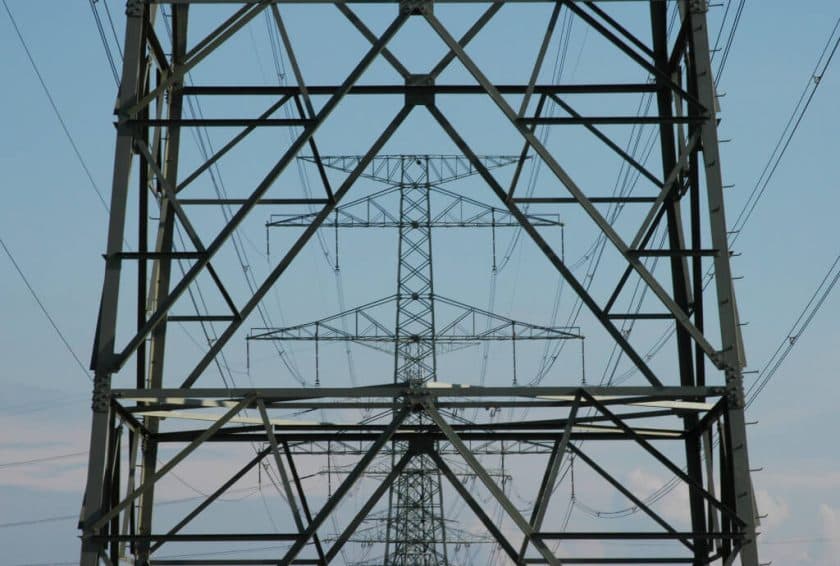
Budapest asks Croatia to allow Russian oil shipments to Hungary

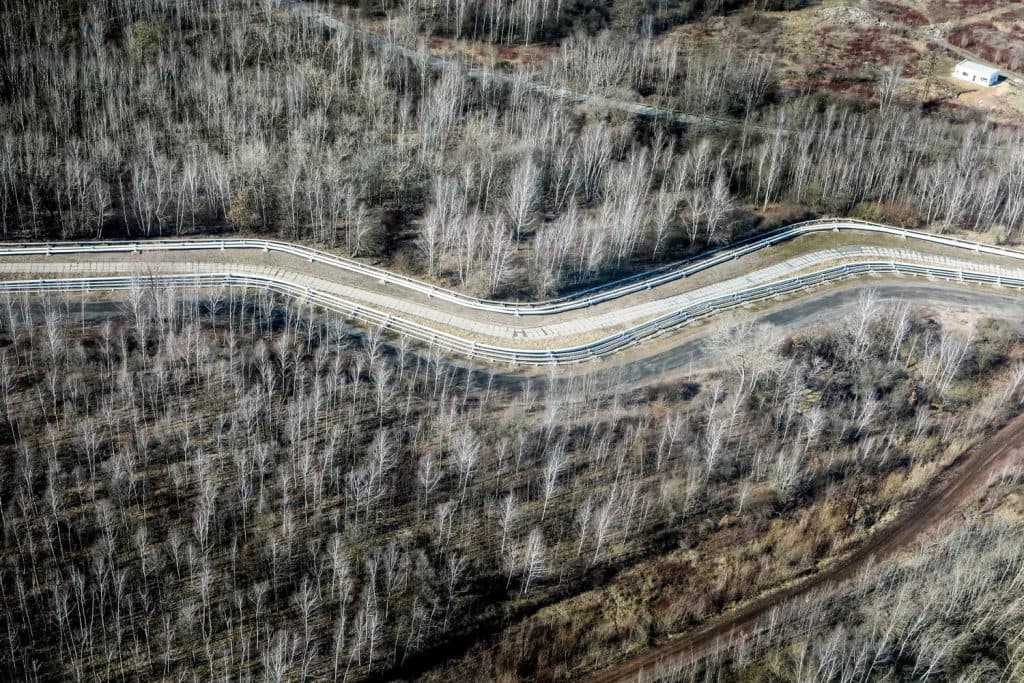
Budapest has asked Croatia to allow Russian oil to be transported through the Adria pipeline to Hungary and Slovakia. The key route for crude supplies through Ukraine remains blocked. Hungarian Foreign Minister Péter Szijjártó wrote on Sunday that he had sent the request to the Croatian government together with Slovak Economy Minister Denisa Saková. Croatia said today that it was ready to grant the request, Bloomberg reported.
Russian crude shipments through the Druzhba pipeline via Ukraine have been halted since the end of last month following extensive Russian attacks on Ukraine's energy infrastructure. The governments in Budapest and Kyiv are at odds over the consequences of the situation. Szijjártó wrote on X that Ukraine was refusing to resume oil transit for political reasons.
"Ensuring a country's energy security must never be an ideological issue. We therefore expect Croatia, unlike Ukraine, not to endanger the security of oil supplies to Hungary and Slovakia for political reasons," the Hungarian minister wrote.
Since the United States has granted Hungary and Slovakia an exemption from anti-Russian sanctions, Croatia should allow Russian oil transit, he added.
Hungary depends on the Druzhba pipeline. The pipeline connecting Hungary with Russia runs through Ukraine, where a war is being fought. Russia launched its invasion of its neighbouring country in February 2022. The European Union is seeking to end imports of Russian oil and natural gas entirely in order to make it harder for Moscow to finance the war. Russia's budget derives most of its revenue from the sale of energy commodities.
Hungarian Prime Minister Viktor Orbán insists on buying Russian commodities, citing his country's geographic location. Hungary, like the Czech Republic, Slovakia and Austria, is landlocked, with no access to the sea, and therefore cannot import oil and gas cheaply through ports like other countries. Orbán often clashes with neighbouring Croatia over the capacity of the Adriatic pipeline. Adria runs from Croatia through Serbia to Hungary, where it connects to Slovakia.
Croatian Economy Minister Ante Šušnjar indicated today that his country would be able to grant Hungary's request. "Croatia will not allow fuel supplies to Central Europe to be put at risk. We are ready to help resolve this acute disruption to supplies," he said, adding that cooperation would comply with EU law and the regulations of the US Office of Foreign Assets Control (OFAC).
Last November, Hungarian Minister Szijjártó said that Hungary had bought 8.5 million tonnes of oil and around seven billion cubic metres of natural gas from Russia since the start of the year. That was a significant increase on the previous year, when total oil imports reached 5.4 million tonnes, more than 80 percent of which was Russian crude.
US Secretary of State Marco Rubio held talks in Budapest today. Over the weekend, he attended the Munich Security Conference, then travelled to Slovakia for talks and on to Hungary. The conservative leaders of these countries have good relations with US President Donald Trump. Rubio said on Sunday that he wanted to deepen cooperation with Central European countries, Reuters reported.
Slovak Prime Minister Robert Fico reiterated on Sunday that, in his view, Ukraine was using the Druzhba pipeline as political leverage, a claim Kyiv denies. Fico has maintained ties with Moscow even after Russia's invasion of Ukraine and accuses European partners of prolonging the war by supplying weapons to Kyiv.
"We have information that the [pipeline] was supposed to have been repaired," Fico told reporters on Sunday after meeting Rubio in Bratislava. "What is happening with oil today, I see as political blackmail against Hungary for its uncompromising stance on Ukraine's EU membership," the Slovak prime minister added.
Orbán has said that Hungary will not support Ukraine's accelerated accession to the EU. He has also accused Ukrainian President Volodymyr Zelenskyy of directly intervening in Hungary's election campaign. Parliamentary elections there will be held in April.
Russian oil supplies through Ukraine were also interrupted last August. Zelenskyy then acknowledged to reporters that Ukrainian drone attacks on the Druzhba pipeline in Russia were linked to Orbán's opposition to Ukraine joining the EU. Orbán subsequently threatened Kyiv with long-term consequences.
Fico has diverged from Washington's position on one issue: at the beginning of January, he criticised US forces for abducting Venezuela's authoritarian president, Nicolás Maduro, and taking him to the United States, where he faces charges of narco-terrorism. Asked about the matter at a press conference on Sunday, Rubio played down the difference in views.
"Many countries didn't like what we did in Venezuela. That's fine. It was in our national interest… So what? That doesn't mean we won't be friends," Rubio said.
Translation disclaimer
This article is a machine translation of the Czech original and has not yet been fully reviewed. In case of any doubt, please refer to the Czech version.