
17 October 2026, 13:09
Loading...
Czech analysts: Oil could briefly rise above USD 100 a barrel after attack on Iran

oEnergetice.cz, ČTK
28 February 2026, 15:46
Oil prices could briefly rise by tens of dollars to more than 100 dollars a barrel following the Israeli-American attack on Iran. If shipping through the Strait of Hormuz between the Persian Gulf and the Gulf of Oman were halted or restricted, trade between Europe and Asia would be significantly curtailed. Higher oil prices would then push up fuel, goods and food prices. Analysts contacted by the Czech News Agency (ČTK) said so.
Petr Lajsek, an analyst at the Purple Trading platform, pointed out that around a fifth of the world’s oil supplies pass through the Strait of Hormuz. Analysts currently expect the price of oil to rise by around seven to eight dollars a barrel to 80 dollars following the attack on Iran. Uncertainty could, however, lead to sharper increases in oil prices. But according to Lajsek, a price above 100 dollars a barrel should not last long.
"Any blockade would represent a dramatic shock to the global market. While the loss of one million barrels a day would, according to estimates, mean an increase of a few dollars, the closure of Hormuz could send the price of Brent sharply higher by tens of dollars. In such a scenario, it would not only be Iranian oil at stake, but also exports from Saudi Arabia, Iraq, Kuwait and the United Arab Emirates," Lajsek said.
If shipping were restricted for an extended period following the attack on Iran, prices for global freight transport would rise, according to Štěpán Křeček, an analyst at BH Securities. This would put upward pressure on food prices and a wide range of exported goods. Economist David Marek of the technology and consulting company Deloitte added that the closure of the Strait of Hormuz would affect trade between Europe and Asia as a whole. The alternative route around Africa would be considerably longer and more expensive.
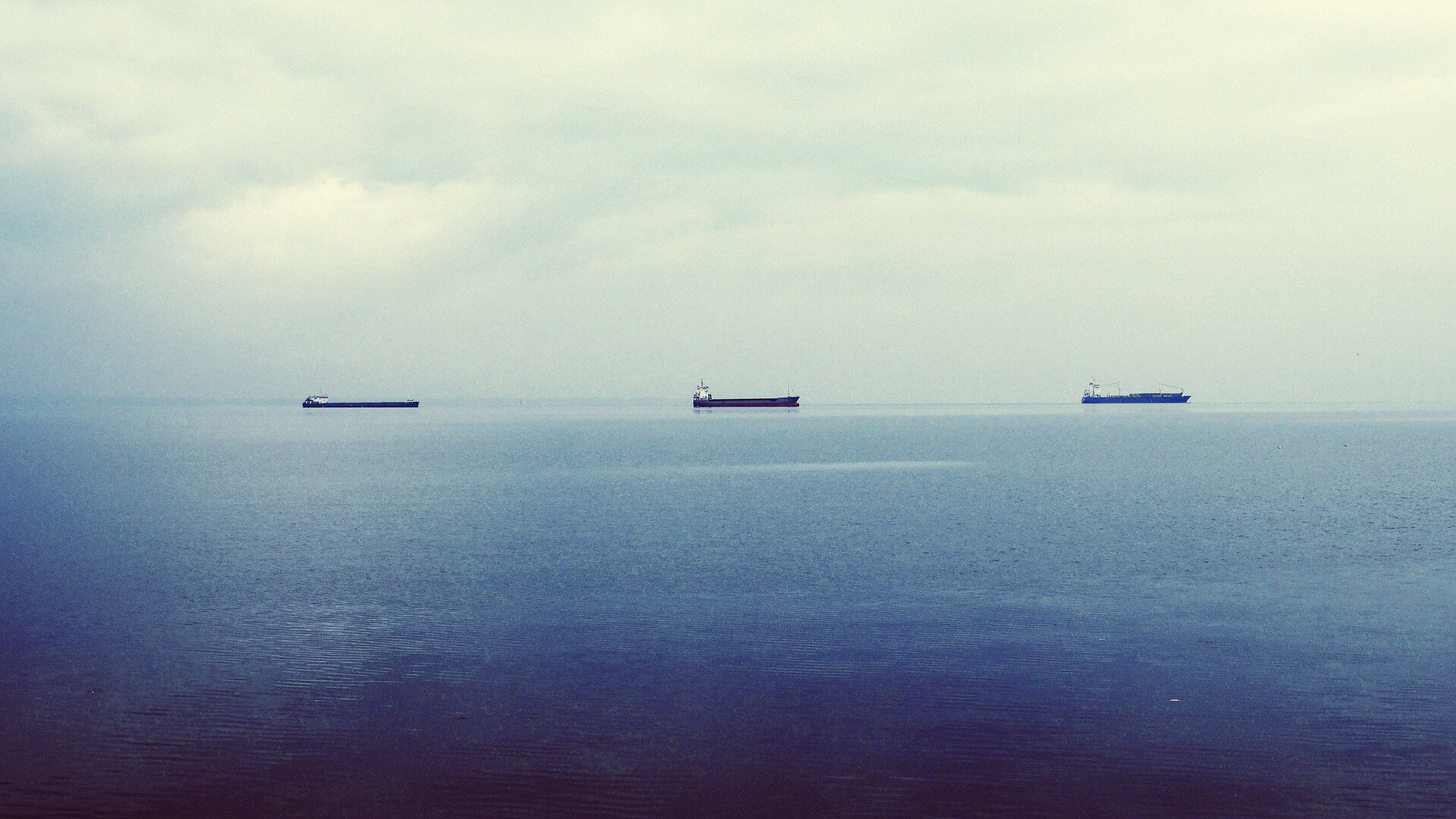
oil, tanker
Source: Pixabay
However, blocking the shipping route may not be in Iran’s interest, according to Petr Bartoň, an analyst at Natland, because it will need the revenue from continued sales to save its regime, which is beset by economic protests. The Gulf can also be bypassed, he said. Oil could, for example, be transported by pipeline across the Arabian Peninsula and then shipped onward through the Suez Canal.
According to Pavel Peterka, an economist at the XTB platform, the conflict would affect inflation in the Czech Republic only if it escalated significantly. Rising oil prices could, however, affect fuel prices, with indirect effects including higher transport costs. These would gradually feed through into higher prices for transported goods. "Heightened tensions in the Middle East will also be reflected in gas prices, as large volumes are produced in the region and then imported into Europe," Peterka added.
The conflict will also worsen market sentiment and lead to a sell-off in riskier assets, such as shares, according to Jan Berka, an economist at the Portu platform. Some sectors could benefit from the situation, however, particularly arms manufacturers. The price of gold, which analysts consider one of the safer investments, could also rise.
Translation disclaimer
This article is a machine translation of the Czech original and has not yet been fully reviewed. In case of any doubt, please refer to the Czech version.
Sdílejte článek prostřednictvím:
You might also like




16 October 2026, 10:16