4 October 2026, 21:07
Loading...
Disruptions to Middle East supplies will hit Europe this month, IEA chief warns

oEnergetice.cz, ČTK
1 April 2026, 18:40
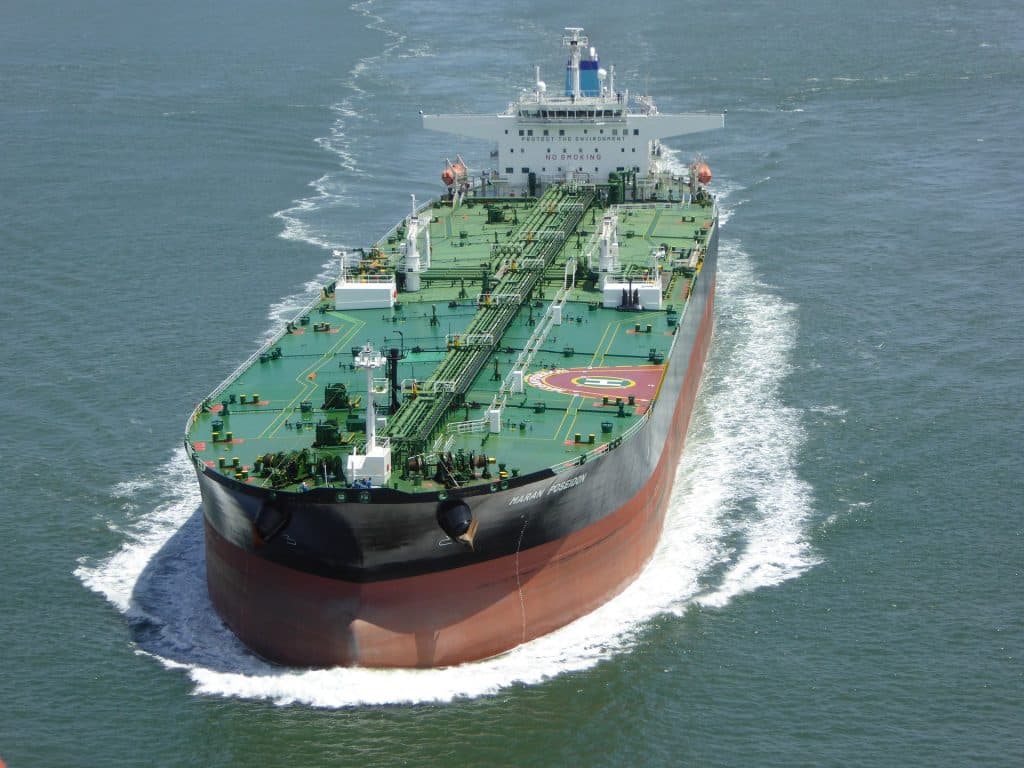
Disruptions to oil supplies from the Middle East will deepen this month and begin to have a significant impact on the European economy. Restrictions on shipping through the Strait of Hormuz are sharply reducing available oil supplies. International Energy Agency (IEA) chief Fatih Birol said this in a podcast hosted by Nicolai Tangen, head of Norway’s state investment fund, according to Reuters.
The shortfall since the conflict began between the US and Israel on one side and Iran on the other amounts to more than 12 million barrels of oil. This is due to Tehran’s attacks on energy infrastructure in the region and restrictions on shipping through the strait, an important transport route.
Oil supply disruptions will roughly double this month compared with March, while losses of liquefied natural gas (LNG) will also increase, Birol warned. The effects will then be felt in faster inflation and slower economic growth in a number of countries. He said the situation will also worsen because some of the oil and LNG supplies that arrived in March had been contracted before the conflict began and were already en route to their destinations.
According to Birol, the biggest problem is a shortage of jet fuel and diesel, which is already affecting some Asian countries and will hit Europe in the coming weeks. “We are already seeing it in Asia and soon, probably in April or May, it will also affect Europe,” he said.
Birol reiterated that the IEA is considering a further release of oil from strategic reserves. The organisation’s members agreed last month to release a record 400 million barrels.
According to Birol, the current disruption to oil and LNG supplies is worse than the oil crises of 1973 and 1979 and the disruption to Russian gas supplies after the 2022 invasion of Ukraine combined. Around 40 major energy facilities have also been damaged in the Middle East since the conflict began, and it will take some time to restore them.
“We are heading towards a major, truly major supply disruption, the biggest in history,” Birol said.
The IEA is an intergovernmental organisation made up primarily of advanced economies. Its aim is to help with energy policy, security of supply and market stability.
Translation disclaimer
This article is a machine translation of the Czech original and has not yet been fully reviewed. In case of any doubt, please refer to the Czech version.
Sdílejte článek prostřednictvím:
You might also like
3 October 2026, 13:01
3 October 2026, 07:43
2 October 2026, 21:55