EU adds three major Chinese oil companies to anti-Russia sanctions

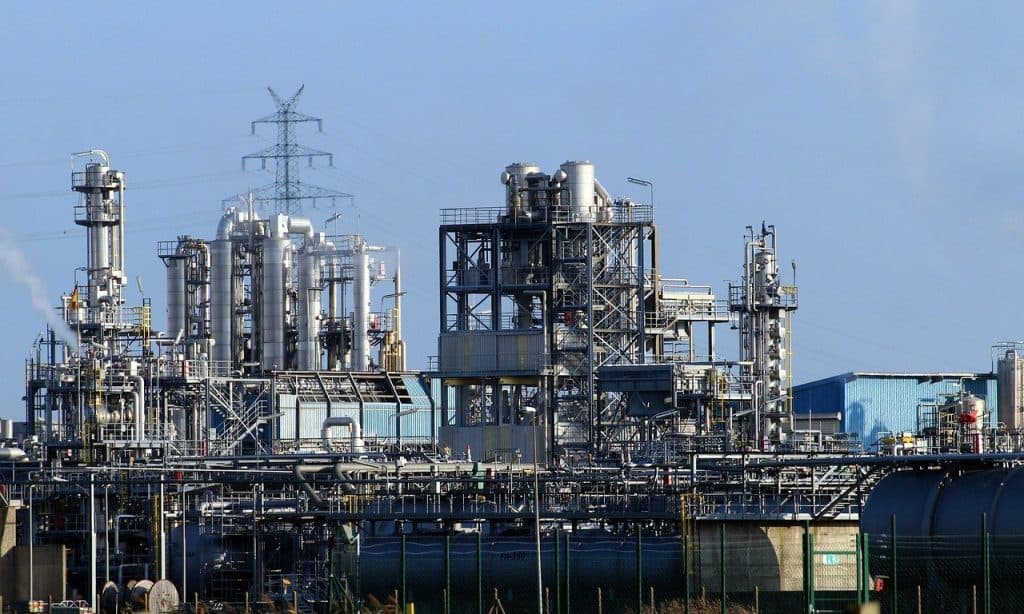
The European Union has included two Chinese refineries and a Hong Kong trading firm involved in the Russian oil trade in its 19th package of anti-Russia sanctions. Although this is not the first time anti-Russia sanctions have targeted companies in China’s oil sector, the latest restrictions are expected to have the biggest economic impact of any measures the EU has introduced in this area so far. Reuters reported this today.
From now on, the sanctions list includes the Chinese refineries Liaoyang Petrochemical and Shandong Yulong Petrochemical, which together have the capacity to process 600.000 barrels of oil per day. The EU has also added Chinaoil Hong Kong, a trading arm of Chinese petrochemical group PetroChina, one of the largest companies of its kind in the world.
The European Union, working with the G7 group of advanced economies, is seeking to further deplete the resources Moscow uses to finance the war in Ukraine. Western countries aim to reduce the vital revenues from oil and gas sales that provide by far the largest share of funds for the Russian state coffers.
According to the EU, the three companies are significant buyers of Russian oil and therefore provide Moscow with a significant source of revenue. Shandong Yulong is China’s newest refinery, with a capacity of 400.000 barrels per day, and one of the country’s largest buyers of Russian oil. Several oil suppliers to the Yulong refinery have already cancelled sales of Middle Eastern and Canadian oil intended for the facility in response to the sanctions Britain imposed on the refinery last week.
The Liaoyang refinery has a capacity of 200.000 barrels per day and is located in northeastern China. It is an integrated refining and petrochemical company. The EU has also imposed sanctions on Chinese company Tianjin Xishanfusheng International Trading, which is not in the oil sector but, according to Brussels, played a significant role in Russia’s efforts to circumvent sanctions.
EU member states agreed on the 19th package of sanctions against Russia this morning, ahead of the start of a summit in Brussels. The measures are a response to Russia’s ongoing invasion of Ukraine and include a range of restrictions in the energy and financial sectors, including a gradual ban on imports of liquefied natural gas (LNG) from Russia.
Last year, China imported an average of 11,1 million barrels of oil per day. That was slightly less than the previous year, when imports reached a record 11,3 million barrels per day. China is the world’s largest oil importer.
The United States announced sanctions on Wednesday against Russia’s largest oil companies, Rosneft and Lukoil, including dozens of their subsidiaries. Many countries buy Russian oil, but India and China are by far the biggest buyers. US President Donald Trump is urging them to stop their purchases and help halt the financing of Russia’s war effort. Russia invaded Ukraine in February 2022 and now controls about 20 percent of its territory.
Translation disclaimer
This article is a machine translation of the Czech original and has not yet been fully reviewed. In case of any doubt, please refer to the Czech version.




