4 October 2026, 21:07
Loading...
Hungary seeks alternatives to Russian oil, but a complete break is reportedly impossible

oEnergetice.cz, ČTK
15 April 2026, 12:35
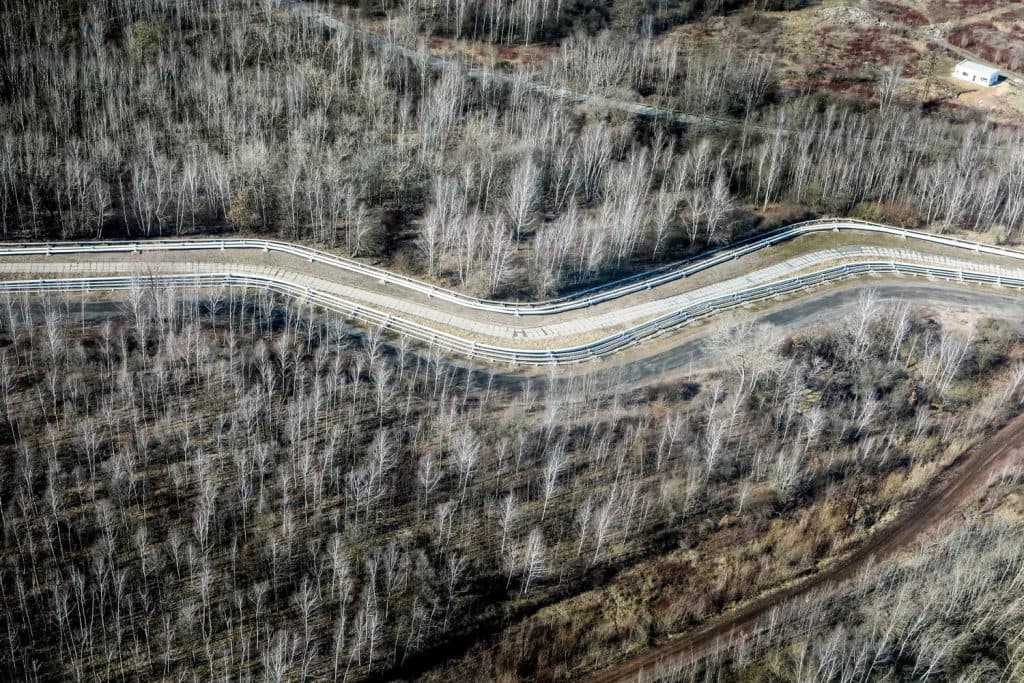
The future Tisza-led Hungarian government will diversify its sources of oil supplies, but the country’s location means it cannot completely break away from Russian oil deliveries. Péter Magyar, winner of Sunday’s parliamentary election and likely future prime minister, whose Tisza party won a constitutional majority, said this today in an interview with state-run Kossuth Radio, according to the MTI news agency.
The current Hungarian government of outgoing Prime Minister Viktor Orbán has maintained good relations with Moscow and bought Russian energy commodities despite Russia’s invasion of Ukraine, now in its fifth year. Relations between Kyiv and Budapest have long been strained, and Hungary and Slovakia have accused Kyiv of deliberately delaying repairs to the Druzhba pipeline, which was damaged by a Russian drone attack in western Ukraine in January. Ukrainian President Volodymyr Zelenskyy promised on Tuesday that Druzhba would be back in operation by the end of April.
“Of course, everyone hopes that Druzhba deliveries will resume by the end of April. If that happens, it will take a long time to replenish strategic reserves,” Magyar said.
Orbán’s government has faced criticism in the past for refusing to cut itself off from Russian energy supplies. Critics point out that Russia receives money from oil and gas sales to finance its war against Ukraine.
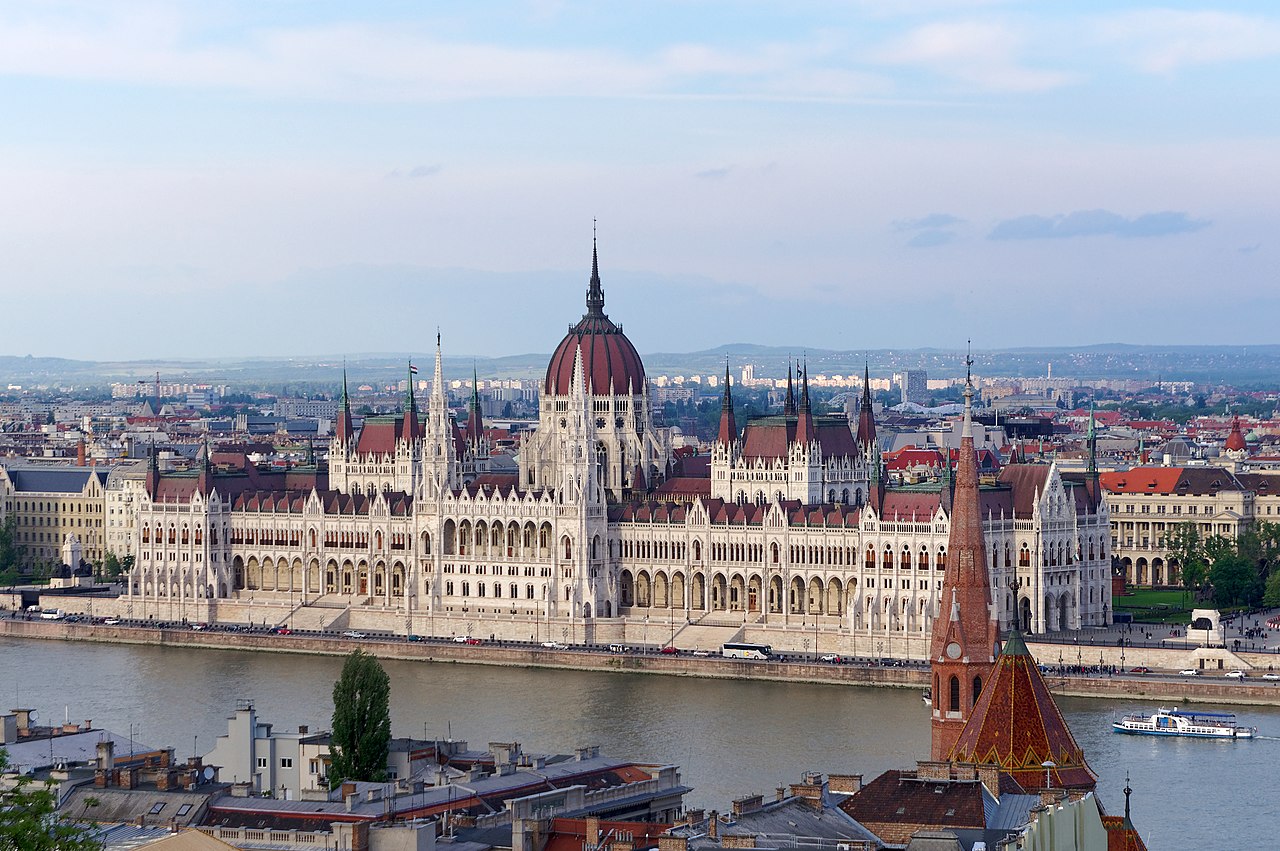
Hungarian Parliament. Source: Jakub Hałun / Creative Commons / CC-BY-SA-4.0
Magyar said today that even if Hungary wanted to, it could not completely break away from Russian oil delivered via Druzhba because of the country’s location. Druzhba will therefore remain a source of oil supplies, but the new government will also seek other sources at the best possible prices, the election winner added.
However, Croatian Prime Minister Andrej Plenković rejected Hungary’s claim that it needs Russian oil at an EU summit in Brussels in March. According to Plenković, Croatia can meet Hungary’s needs via the Adria pipeline.
Magyar also told Reuters that he wants to meet with the management of Hungarian oil and gas group MOL, which operates the Slovnaft refinery in Bratislava, among other facilities. He described ensuring fuel supply security as the most important task for the coming weeks.
Translation disclaimer
This article is a machine translation of the Czech original and has not yet been fully reviewed. In case of any doubt, please refer to the Czech version.
Sdílejte článek prostřednictvím:
You might also like
3 October 2026, 13:01
3 October 2026, 07:43
2 October 2026, 21:55