4 October 2026, 21:07
Loading...
IEA considers further oil release over Iran war, Birol says

oEnergetice.cz, ČTK
23 March 2026, 09:10
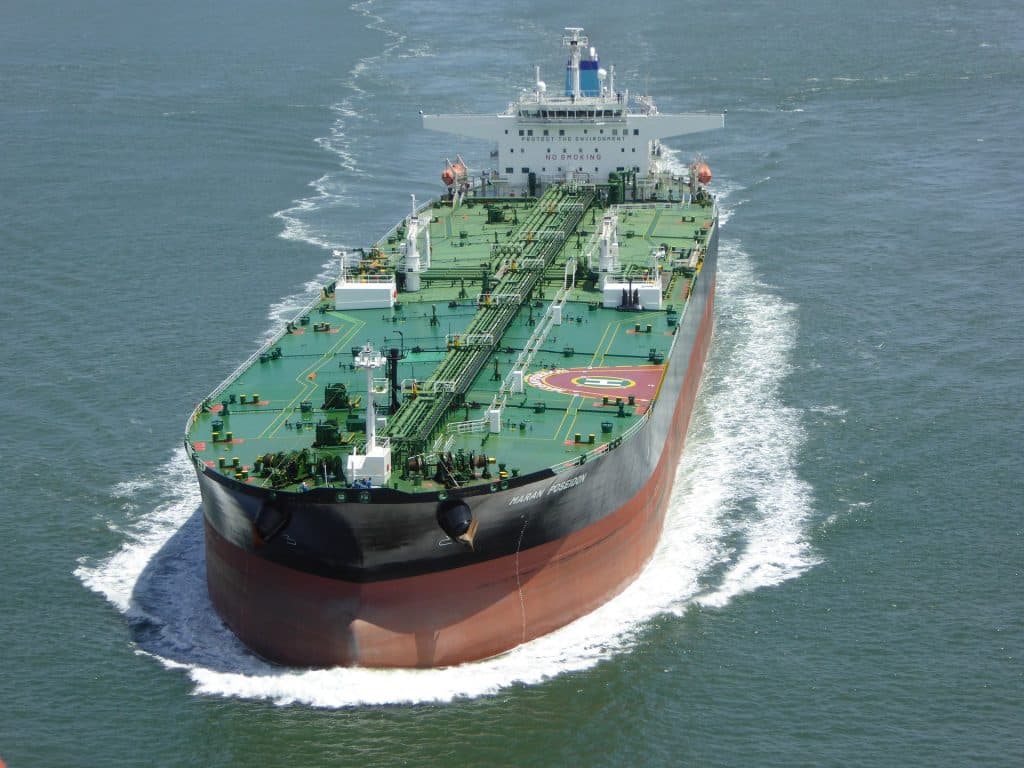
The International Energy Agency (IEA) is in talks with governments in Asia and Europe about potentially releasing additional oil stocks if necessary in connection with the war in Iran. IEA chief Fatih Birol said this at the National Press Club in Canberra. He added that the war poses a major threat to the global economy and that no country will be immune to the effects of the crisis if it continues on this course.
On 11 March, IEA member countries agreed to release a record 400 million barrels of oil from strategic reserves in response to a sharp rise in global oil prices. That represented about 20% of total reserves.
Birol added that the IEA would continue to monitor the situation, analyse and assess markets, and discuss the possibility of a further release with member countries. However, it would not make a decision based on a specific oil price level. Drawing on reserves was only one way the IEA could help countries, he said.
Birol described the current crisis in the Middle East as extremely serious, worse than the two oil shocks of the 1970s and the impact of the Russia-Ukraine war on gas supplies combined. The war with Iran has reduced global oil supplies by 11 million barrels per day, more than the two previous oil shocks combined. The most important solution to the problem, he said, is reopening the Strait of Hormuz.
Birol began his global tour in Australia because Asia-Pacific is now at the forefront of the oil crisis, given the region’s reliance on oil supplies and other key products, such as fertilisers and helium, that pass through the Strait of Hormuz. After meeting Australian Prime Minister Anthony Albanese, he will travel to Japan later this week for a meeting of the G7 group of leading economies. Birol added that, in his view, political leaders around the world had not fully grasped the scale of the problem, which is why he decided to speak publicly about the situation three weeks after the war began.
The IEA has also outlined a set of additional demand-side measures for countries to consider if they need to decide how best to reduce fuel consumption. These include lowering speed limits or introducing work-from-home arrangements. Such measures helped reduce energy consumption in Europe in 2022 when they were introduced, Birol said, but each country must decide for itself what is most appropriate.
Birol delivered his speech as Israel launched a new wave of attacks on Tehran. Iran then resumed attacks on its neighbours in the Persian Gulf and threatened to target their power plants. Birol said that 40 energy facilities in nine countries across the region had so far been seriously or very seriously damaged.
While Iran continues to keep the Strait of Hormuz effectively closed, US President Donald Trump gave the country a 48-hour ultimatum to fully reopen the strategic waterway to all ships. Trump said early Sunday on social media that if it failed to do so, the United States would begin attacking Iranian energy infrastructure and destroy its power plants.
Translation disclaimer
This article is a machine translation of the Czech original and has not yet been fully reviewed. In case of any doubt, please refer to the Czech version.
Sdílejte článek prostřednictvím:
You might also like
3 October 2026, 13:01
3 October 2026, 07:43
2 October 2026, 21:55