4 October 2026, 21:07
Loading...
International Energy Agency hopes further oil stock releases will not be necessary

oEnergetice.cz, ČTK
14 April 2026, 09:25
The International Energy Agency (IEA) hopes that another release of emergency oil stocks will not be necessary, but is prepared to take this step if needed. IEA chief Fatih Birol said this today, according to Reuters. In March, IEA member states approved the release of an unprecedented 400 million barrels of oil from these reserves. The move was a response to the disruption of oil transport through the key Strait of Hormuz as a result of the war in the Middle East.
Despite the current ceasefire, the situation in the strait has not been resolved. Under normal conditions, about a fifth of global oil and liquefied natural gas (LNG) supplies pass through the Strait of Hormuz.
“I really, really hope we will not have to do this, but if it is necessary, we are ready to act,” Birol said at an event hosted by the Atlantic Council think tank. He also reiterated that the war with Iran had caused the most severe disruption to global energy supplies in history.
The war has damaged more than 80 oil and gas facilities, including production infrastructure, terminals and refineries across the Middle East, he said. Oil prices are now hovering around 100 dollars per barrel. Given the extensive shutdown of production and the closure of the Strait of Hormuz, however, releasing oil stocks is not a solution, according to Birol. The move only “eases the pain,” he said.
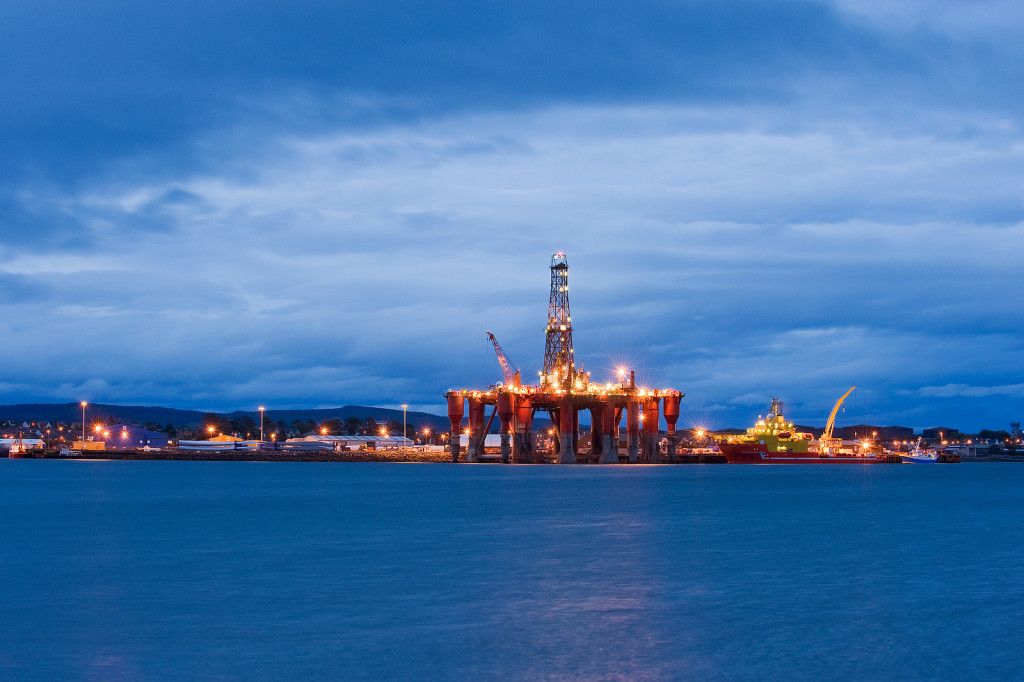
Oil rig, author: Berardo62, flickr
The International Energy Agency has 32 members. In March, they agreed to release 400 million barrels of oil from emergency reserves. It was the largest coordinated release of oil reserves in history, surpassing the release of stocks after Russia launched its invasion of Ukraine in 2022. The United States, the world’s largest producer of oil and natural gas, agreed to release 172 million barrels from its reserves.
The United States and Israel attacked Iran on February 28. One of the reasons they cited was concern that Iran could acquire a nuclear weapon. In retaliation, Tehran and its allies began attacking Israel and Arab states in the region that host US military facilities, using drones, ballistic missiles and rockets. Iranian attacks also targeted civilian assets, including oil infrastructure and commercial vessels in the Strait of Hormuz.
Last week, the United States and Iran agreed to a two-week ceasefire intended to allow talks on ending the conflict. The situation in the Strait of Hormuz has not changed significantly, although Washington had originally made this a condition for halting the attacks. The latest peace talks between the US and Iran ended unsuccessfully over the weekend, and the US Navy began preparing to blockade Iranian ports.
Translation disclaimer
This article is a machine translation of the Czech original and has not yet been fully reviewed. In case of any doubt, please refer to the Czech version.
Sdílejte článek prostřednictvím:
You might also like

3 October 2026, 13:01
3 October 2026, 07:43
2 October 2026, 21:55