Iran-Israel conflict drives up the cost of shipping oil through the Strait of Hormuz

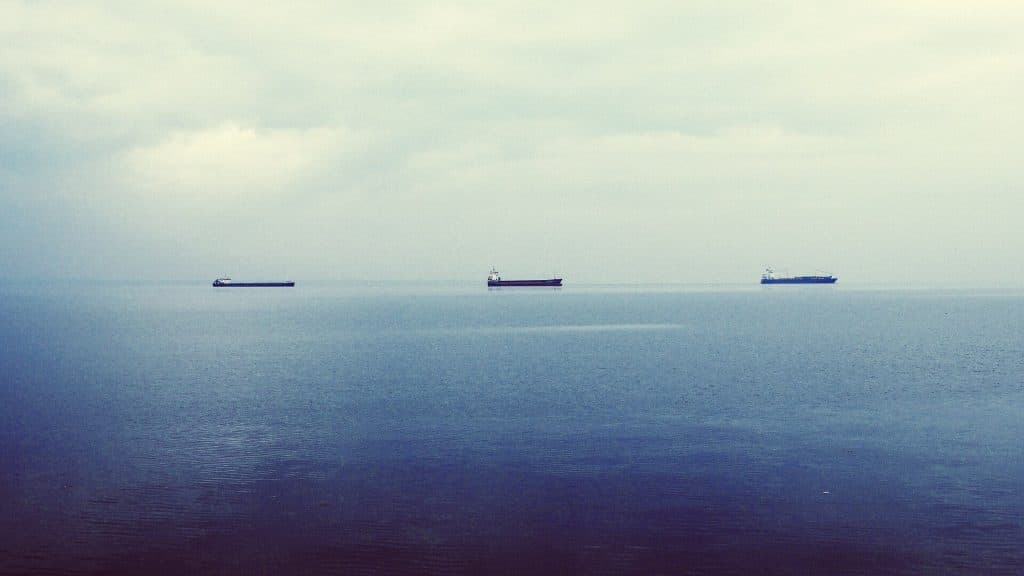
The cost of shipping oil through the vital Strait of Hormuz has risen sharply in recent days because of the conflict between Iran and Israel, climbing by 20 percent or more in three days. Tankers are also beginning to avoid the area amid fears of further escalation, according to the Baltic and International Maritime Council (BIMCO), one of the world’s largest professional organizations representing shipowners.
Israel unexpectedly launched an attack on Iran’s military and nuclear infrastructure last Friday. It said the strike was prompted by concerns that Tehran was working to develop a nuclear weapon, which Israel sees as an existential threat. As tensions have mounted in the days since, tanker owners have become more cautious about shipping oil not only through the Strait of Hormuz but also through the Red Sea.
“Circumstances and risk tolerance vary considerably from one shipowner to another,” said Jakob Larsen, head of security at BIMCO.
“It seems that most shipowners will currently choose to continue sailing, but some apparently will not,” he said in an email to CNBC.
The benchmark rate for medium-sized vessels carrying petroleum products from the Middle East to Japan rose by more than 19 percent between Thursday and Monday. Over the same period, the rate for smaller vessels on the same route climbed by more than 20 percent, Bloomberg reported, citing data from the Baltic Exchange. Rates for shipments to East Africa rose by as much as 40 percent. The Baltic Exchange is based in London and, among other things, sets prices for maritime transport.
Data from Kpler show that the rate for shipping oil from the Middle East to China rose by 24 percent on Friday alone, to USD 1.67 (CZK 35.80) per barrel, equivalent to around 22 hellers per litre. The daily increase in rates for oil shipments on tankers in the VLCC (Very Large Crude Carrier) category was the highest since the start of the year.
Larsen added that when security risks rise, not only do rates for shipping through dangerous areas increase, but crew wages also go up. Those higher rates and wages, however, create an economic incentive for some to take the risk of sailing through conflict zones. Larsen said that, primitive as it may seem, these factors have kept global trade moving for centuries, even during wars and other conflicts.
S&P Global Market Intelligence Vice President Peter Tirschwell, who specializes in maritime transport, also points to other risks that are prompting tanker owners to consider whether it would be better to avoid the Strait of Hormuz for now. “We have seen the impact the Houthis had on shipping through the Red Sea. Although there have been very few attacks on shipping in the area recently, the threat has caused the overwhelming majority of container trade to be rerouted around southern Africa. This has been going on for a year,” Tirschwell said.
Yemen’s Houthi rebels began attacking commercial ships in late 2023. They said the attacks were a response to Israel’s war against Hamas in the Gaza Strip and to support some countries were providing to the Israeli government. The Houthi rebels are backed by Iran. The Israeli military began attacking the Gaza Strip after Hamas militants carried out a terrorist attack on October 7, 2023. The attackers killed around 1,200 people in southern Israel and abducted about 250 others, taking them to Palestinian territory. Hamas governs the Gaza Strip.
BIMCO does not usually call on vessels to stay away from particular areas. But it says the conflict between Iran and Israel has introduced an element of uncertainty into maritime transport. Oil prices rose by more than 10 percent last Friday in the immediate reaction to Israel’s attack on Iran, with North Sea Brent approaching USD 75 per barrel. Prices began to fall on Monday, however, as it became clear that the conflict had not yet disrupted oil production or exports from Middle Eastern countries.
Translation disclaimer
This article is a machine translation of the Czech original and has not yet been fully reviewed. In case of any doubt, please refer to the Czech version.




