3 October 2026, 13:01
Loading...
New oil pipeline in the UAE to bypass Strait of Hormuz, operations set to begin next year

oEnergetice.cz, ČTK
15 May 2026, 19:16
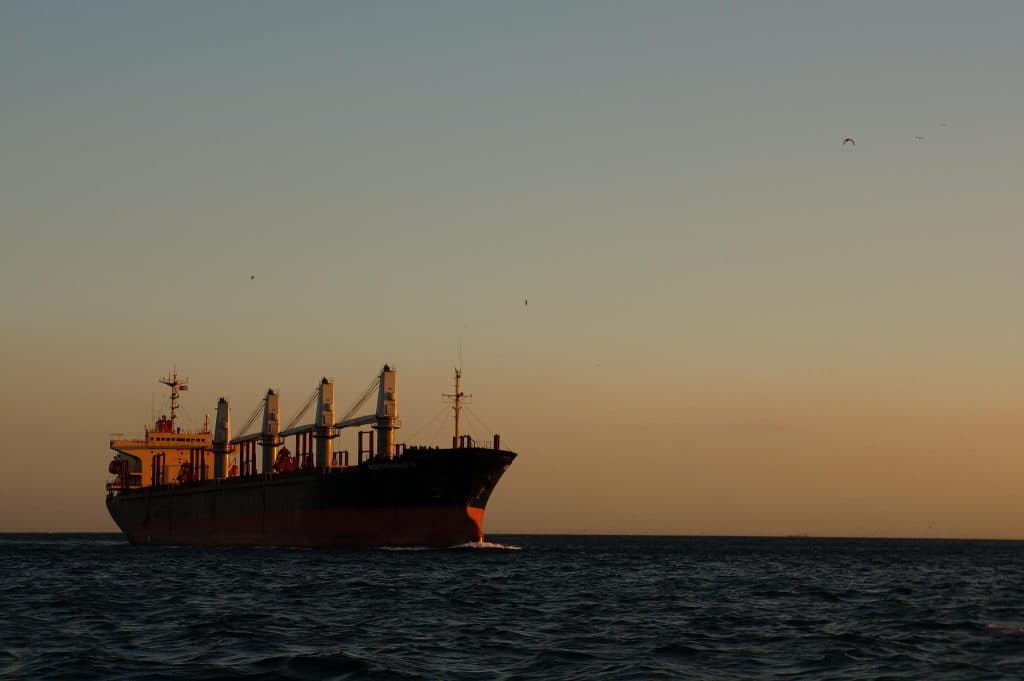
The United Arab Emirates will accelerate construction of a new oil pipeline that is expected to double export capacity through the port of Fujairah. This will significantly expand options for bypassing the Strait of Hormuz. The Abu Dhabi Government Media Office (ADMO) said, according to Reuters.
Abu Dhabi Crown Prince Sheikh Khaled bin Mohamed bin Zayed ordered the state-owned Abu Dhabi National Oil Company (ADNOC) at a cabinet meeting to accelerate work on the West-East Pipeline project. According to ADMO, the pipeline is already under construction and is due to begin operating next year.
The Strait of Hormuz has been effectively closed to maritime traffic since the war between the US and Israel and Iran broke out this February. It is a crucial route for the oil trade: before the war, 35 percent of global seaborne oil trade passed through it. Its closure has sharply driven up energy prices.
The existing Abu Dhabi Crude Oil Pipeline (ADCOP), also known as Habshan-Fujairah, has a capacity of up to 1.8 million barrels per day. It is now important for the UAE because it allows oil to be exported from the coast of the Gulf of Oman without passing through the strategically important Strait of Hormuz.
The UAE and Saudi Arabia are the only oil producers in the Persian Gulf with pipeline infrastructure that allows them to export oil without using the Strait of Hormuz. Kuwait, Iraq, Qatar and Bahrain, by contrast, are almost entirely dependent on the strait for their oil exports.
The new UAE pipeline is not the same as Saudi Arabia’s East-West Pipeline, which Saudi Aramco chief executive Amin Nasser called a “critical lifeline”. According to Nasser, Aramco increased the pipeline’s capacity to seven million barrels per day in eight days, making it possible to keep Saudi oil exports at around 60 percent of pre-war levels.
The UAE left the Organization of the Petroleum Exporting Countries (OPEC) two weeks ago, freeing itself from the obligation to comply with oil production quotas. The country’s energy minister told Reuters last year that the UAE could increase its production capacity to six million barrels per day if needed.
ADNOC aims to increase capacity to five million barrels per day by next year. It had originally planned to reach that target three years later. In May 2024, the country said capacity stood at 4.85 million barrels per day, but it has provided no new information since.
In January, before the war, UAE production stood at just under 3.4 million barrels per day. However, production fell by more than half in March due to the effective closure of the Strait of Hormuz.
Translation disclaimer
This article is a machine translation of the Czech original and has not yet been fully reviewed. In case of any doubt, please refer to the Czech version.
Sdílejte článek prostřednictvím:
You might also like
3 October 2026, 07:43
2 October 2026, 21:55
2 October 2026, 15:14